
Why Your Skin Care Routine Stops Working During Menopause
The frustration of discovering your trusted products suddenly feel ineffective isn't coincidence. During menopause, estrogen levels drop by 60% or more, fundamentally altering how your skin functions at the cellular level. Estrogen directly regulates collagen production, sebum secretion, hyaluronic acid synthesis, and barrier lipid composition. When these hormonal signals disappear, skin loses structural support faster than topical products alone can compensate for.
What many women don't realize is that hormonal aging differs mechanistically from chronological aging. While sun damage and cellular senescence progress gradually over decades, estrogen withdrawal triggers acute changes within months. Skin loses 30% of its collagen in the first five years post-menopause, trans-epidermal water loss increases dramatically, and fibroblast activity declines sharply. This explains why products formulated for general anti-aging often miss the mark for menopausal skin, which requires specific support for hormone-depleted cellular processes.
The confusion intensifies because perimenopause creates unpredictable fluctuations. Some days skin feels parched and sensitive, other days congested and reactive. This isn't inconsistency in your routine but hormonal volatility creating real physiological changes that demand adaptive strategies rather than rigid product regimens. Understanding this distinction helps women stop blaming themselves for skin changes that are entirely biological.
The Ingredient Myths Keeping You From Results
Myth: Natural and Gentle Equals Better for Sensitive Menopausal Skin
The increased sensitivity during menopause leads many women toward products marketed as natural, botanical, or gentle. While appealing, this logic ignores that plant extracts and essential oils are among the most common contact allergens. Compromised barrier function during menopause actually increases vulnerability to botanical irritants. Lavender oil, fragrant plant extracts, and citrus derivatives frequently trigger inflammation in skin that previously tolerated them without issue.
What actually works is targeted synthetic ingredients at appropriate concentrations with robust barrier support. Ceramides, niacinamide, and hyaluronic acid, peptides, and stabilized retinoids deliver measurable results with lower sensitization risk than many natural formulations. The trade-off requires accepting that effective ingredients often sound clinical rather than romantic, but outcomes matter more than marketing narratives. Specialized skin creams formulated specifically for menopause prioritize these evidence-based actives over botanical extracts.
Myth: Expensive Brands Work Better Than Affordable Options
Luxury pricing creates assumptions about efficacy that clinical evidence doesn't support. What determines results is ingredient concentration, formulation stability, and delivery system, none of which correlate reliably with price point. A pharmaceutical-grade ceramide complex costs the same whether packaged in luxury or drugstore brands. The price difference reflects marketing, packaging, and retail markup rather than ingredient quality.
Smart menopause skin care focuses on specific ingredients at therapeutic concentrations regardless of brand prestige. Look for 5% niacinamide, ceramides in physiological ratios, encapsulated retinol at 0.25-1%, and stabilized vitamin C at 10-15%. These specifications matter infinitely more than brand names when addressing hormonal skin changes.
Building a Routine That Actually Addresses Hormonal Changes
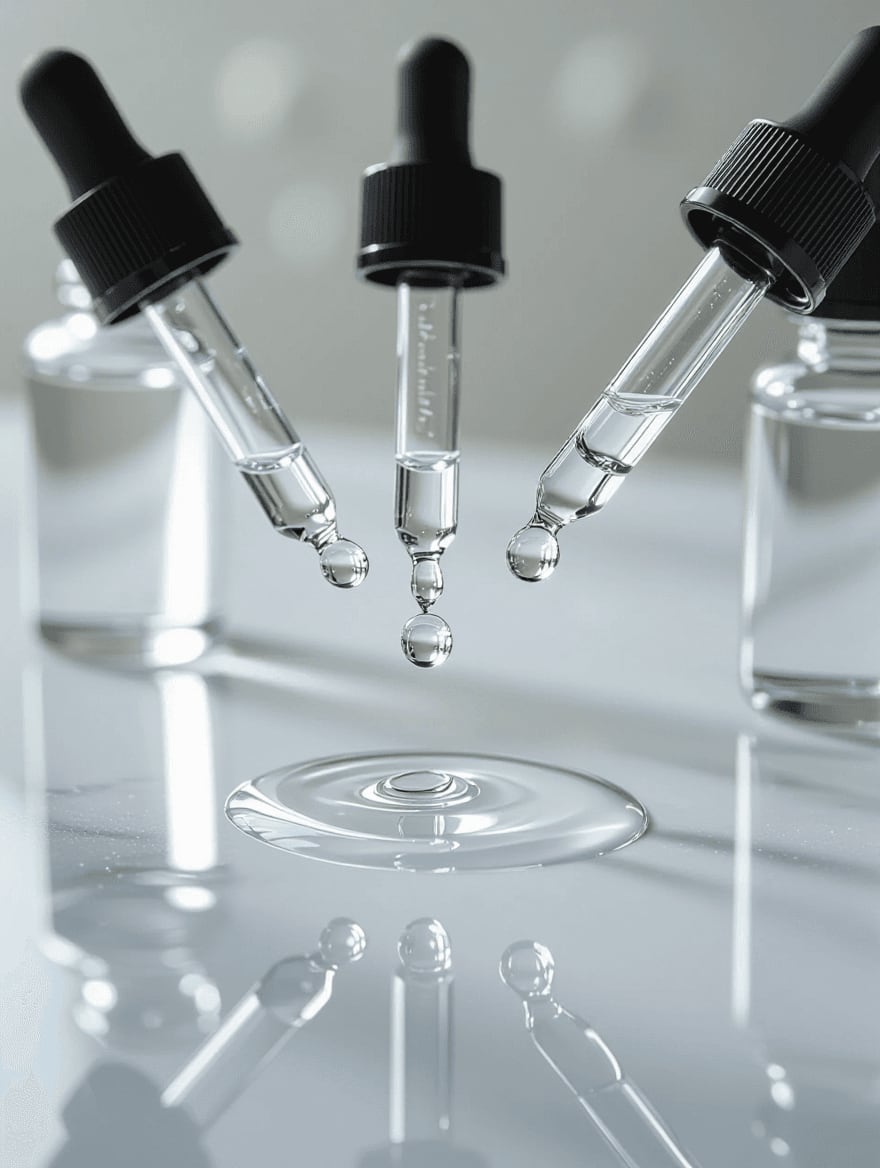
Effective menopause skin care requires strategic layering rather than comprehensive coverage. Start with the non-negotiables: gentle cleansing that preserves barrier lipids, barrier repair with ceramides and cholesterol, antioxidant protection, and broad-spectrum sun defense. These four pillars address the universal consequences of estrogen withdrawal before customizing for individual concerns.
Morning priorities center on protection. Apply vitamin C serum to neutralize free radicals and support collagen synthesis, follow with niacinamide to strengthen barrier function and reduce inflammation, then seal with ceramide moisturizer. Finish with SPF 50 containing both mineral and chemical filters. This sequence protects vulnerable menopausal skin from environmental damage that accelerates hormonal aging. Evening focuses on repair: double cleanse to remove sunscreen and debris without stripping, apply treatment actives like retinol or peptides to damp skin, wait 20 minutes, then apply richer night cream with growth factors and barrier lipids.
What experienced practitioners understand is that perimenopause requires flexibility while post-menopause allows more consistent routines. During perimenopause, hormonal fluctuations mean some weeks require gentle hydration while others need congestion control. Keep multiple formulations available and adjust based on how skin responds rather than forcing consistency. Once hormones stabilize post-menopause, consistent routines deliver better cumulative results than constant switching.
When Standard Routines Fail: The Retinoid Tolerance Problem
A significant subset of menopausal women discover they cannot tolerate retinoids despite them being the gold standard for collagen stimulation. The barrier disruption from estrogen loss means skin lacks the resilience to handle vitamin A derivatives, even at low concentrations with careful introduction. This creates a frustrating paradox: the ingredient you need most triggers inflammation that accelerates the aging you're trying to prevent.
The solution requires accepting that barrier repair must precede active ingredient introduction, even if that means delaying anti-aging actives for months. Spend 8-12 weeks exclusively using ceramide-dominant products, eliminating all acids, retinoids, and even vitamin C. Once skin tolerates gentle exfoliation without reaction, introduce bakuchiol or granactive retinoid at the lowest concentration, using it only twice weekly. This patience contradicts urgency about visible aging but represents the only path to sustainable retinoid use for sensitive menopausal skin.
For women who remain retinoid-intolerant, alternative strategies combine peptides, growth factors, and high-concentration niacinamide with professional treatments like microneedling. While less ideal than topical retinoids, this approach delivers measurable improvement without triggering the inflammation cycle that undermines long-term outcomes. Additionally, understanding how to properly layer products and adapt routines for hormonal changes extends beyond basic skincare into areas like makeup application techniques for menopausal skin that complement your skincare foundation.
The Reality Check: What Skincare Can and Cannot Fix
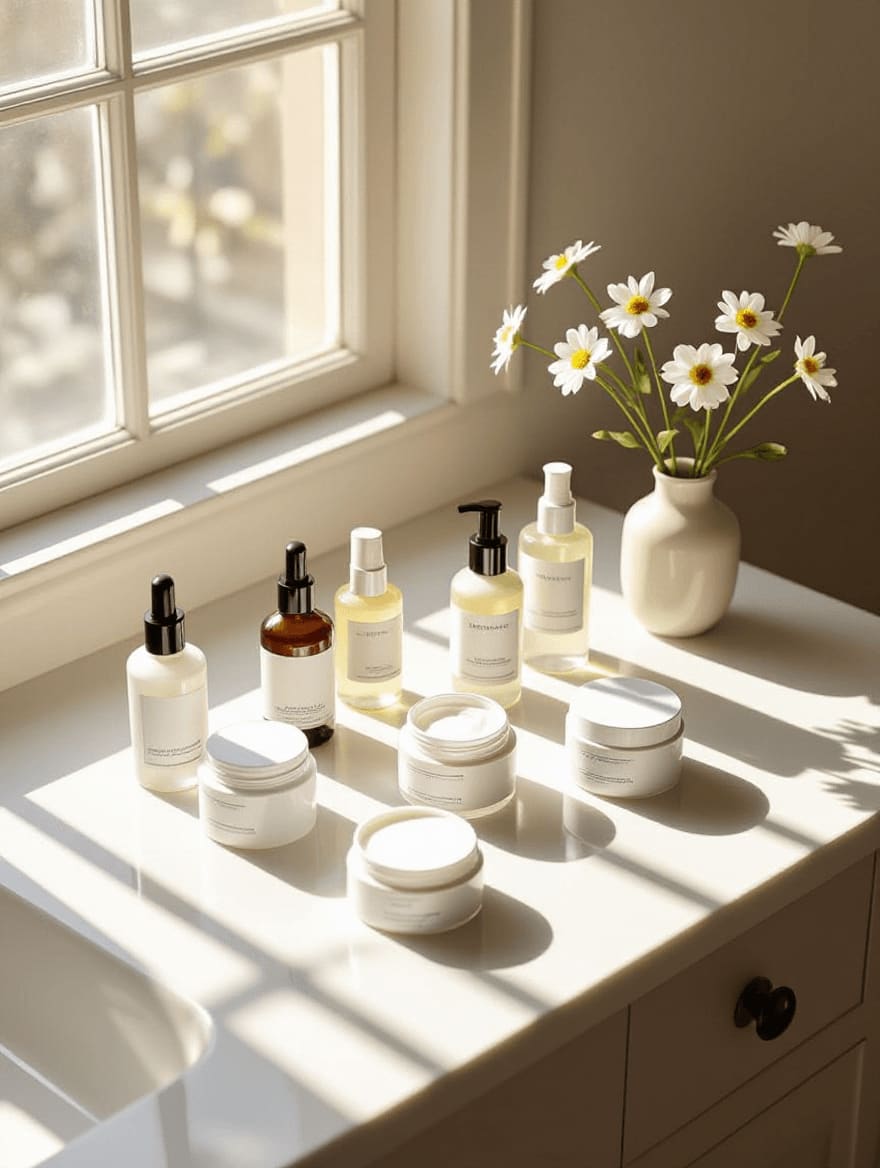
Honest discussion about menopause skin care requires acknowledging limitations. Topical products cannot fully replace the structural support that estrogen provides. While strategic ingredient selection measurably improves hydration, barrier function, and collagen synthesis, skincare alone cannot restore pre-menopausal skin architecture. Setting realistic expectations prevents the disappointment cycle that leads women to constantly chase new products hoping for transformative results no topical can deliver.
What excellent menopause skin care achieves is optimization within biological constraints. Consistent use of evidence-based ingredients slows collagen loss, maintains barrier integrity, and minimizes inflammation. These outcomes translate to skin that looks healthier, feels more comfortable, and ages more gradually compared to untreated menopausal skin. The difference between realistic optimization and unrealistic restoration matters enormously for mental wellbeing during a transition already laden with body image challenges.
For concerns beyond topical treatment capacity such as significant volume loss, deep wrinkles, or severe laxity, professional interventions like hormone replacement therapy, injectables, laser resurfacing, or radiofrequency treatments provide options. The strategic approach combines optimal topical care as foundation with professional treatments for concerns exceeding skincare's scope. This integrated strategy delivers superior results compared to either approach alone while avoiding the trap of expecting skincare to solve problems requiring medical intervention.