
Understanding Why Menopause Causes Unbearable Ear Itching
Itchy ears during menopause aren't random—they result from estrogen's direct effect on ear canal skin and cerumen (earwax) production. The ear canal contains sebaceous glands that rely on estrogen signaling to produce protective oils. When estrogen drops during perimenopause and menopause, these glands produce 40-50% less oil, leaving ear canal skin dry, flaky, and intensely itchy. Simultaneously, earwax becomes drier and more irritating rather than protective.
The ear canal's unique anatomy amplifies the problem. Unlike external skin that you can moisturize easily, the ear canal is a narrow, enclosed space where dead skin cells and dry wax accumulate. This debris creates constant irritation that triggers neurogenic itching—nerve hypersensitivity independent of visible inflammation. Many women describe the sensation as deep, unreachable itching that standard ear drops don't resolve. The itch-scratch cycle worsens the condition: inserting cotton swabs or fingers removes protective wax, damages delicate skin, and invites infection.
Additionally, menopausal hormonal changes affect immune function in the ear canal, making it more susceptible to fungal and bacterial overgrowth that masquerade as simple dryness. What feels like hormonal itching may actually be secondary infection requiring different treatment. This explains why some women find their ears itch worse at night or after showering—moisture creates ideal conditions for microorganism proliferation in ears lacking normal protective oils. For comprehensive understanding of menopausal skin changes beyond ears, explore our complete guide to menopause itchy ears treatment.
Common Myths vs. Treatments That Actually Stop Ear Itching
Myth: Cotton Swabs Clean and Relieve Itchy Ears
The instinct to insert cotton swabs when ears itch is the single most damaging habit for menopausal ear health. Swabs push earwax deeper into the canal, compact it against the eardrum, and scratch away the thin protective layer of skin lining the canal. This creates micro-abrasions that become entry points for infection while removing the minimal protective wax your declining estrogen levels still produce. The temporary relief lasts seconds before itching intensifies.
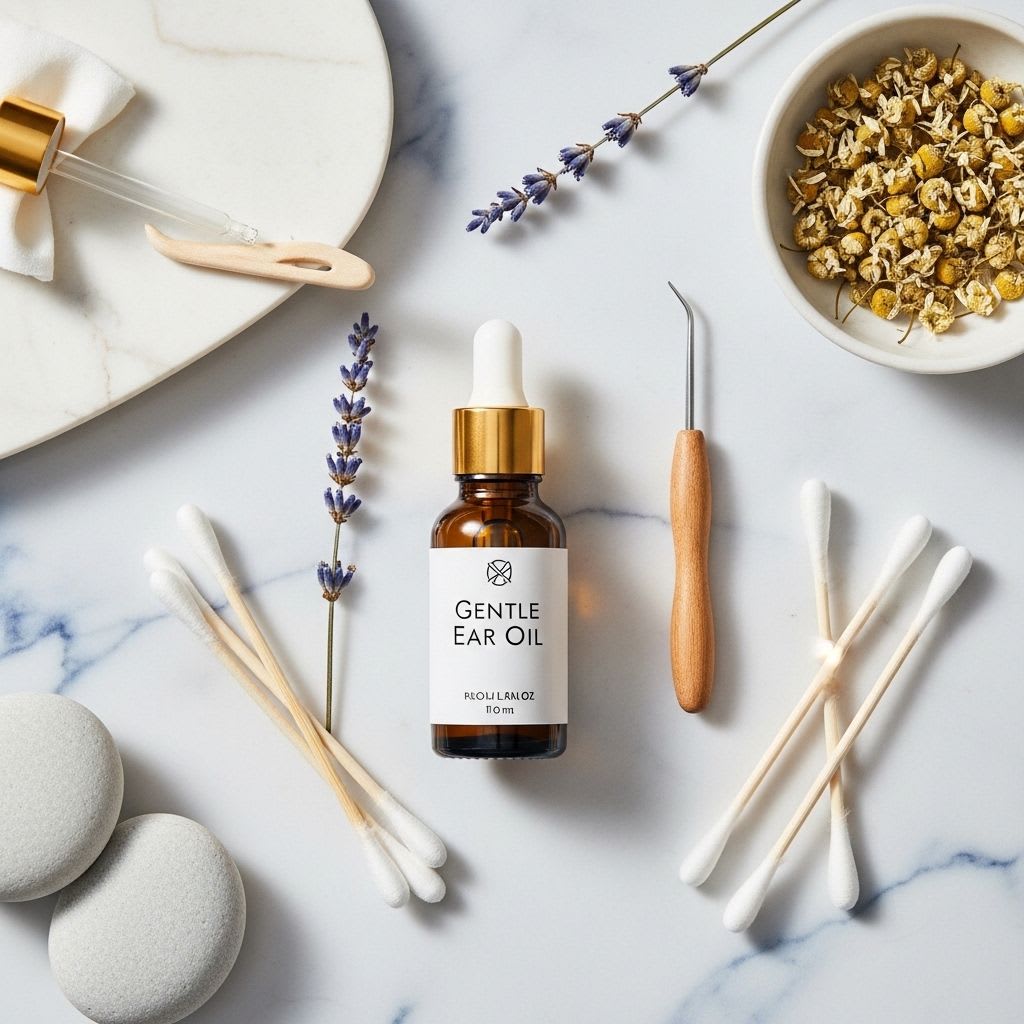
What works: mineral oil or olive oil drops applied 2-3 times weekly soften dry earwax and coat the ear canal with protective moisture. Tilt your head, place 3-4 drops in the ear canal, remain tilted for 5 minutes, then allow excess to drain. This mimics the protective function of natural oils without mechanical trauma. For immediate itch relief, refrigerate the oil first—cool temperature numbs nerve endings temporarily. Never insert anything smaller than your elbow into your ear canal, regardless of how intense the itching becomes.
Myth: Earwax Removal Drops Solve Menopausal Ear Itching
Over-the-counter earwax removal drops containing carbamide peroxide or hydrogen peroxide break down wax effectively but worsen menopausal ear itching. These drying agents strip remaining natural oils, leaving ear canals even more dehydrated. Additionally, the bubbling action irritates already-sensitive skin, creating a burning sensation alongside the itch. Many women report using these products repeatedly with worsening symptoms.
The evidence-based approach: unless you have visible wax buildup or hearing loss, your itchy ears need lubrication, not removal. For ears with both itching and wax impaction, see an ENT specialist for professional irrigation or manual removal using microscopic tools. Attempting home removal with syringing kits often pushes wax deeper or perforates eardrums in inexperienced hands. After professional cleaning, establish a maintenance routine with moisturizing oil drops to prevent recurrence.
Myth: Antihistamines Cure Itchy Ears
Doctors frequently prescribe antihistamines for ear itching, assuming allergic causes. However, hormonal ear itching during menopause isn't histamine-mediated—it's neurogenic and structural. Oral antihistamines provide minimal relief while causing side effects like dry mouth and drowsiness that compound other menopausal symptoms. The contradiction: by further drying mucous membranes, antihistamines may worsen the underlying moisture deficit driving ear itching.
Reality check: if itching persists despite oil drops and proper ear care, suspect fungal or bacterial infection requiring prescription treatment. Otomycosis (fungal ear infection) is common during menopause due to altered ear canal pH and reduced immune function. Symptoms include intense itching, flaky white or black debris, and sometimes discharge. This requires antifungal ear drops (clotrimazole or fluconazole), not moisture replacement. Attempting to self-treat fungal infections with oil can worsen symptoms by providing additional nutrients for fungal growth.
Practical Treatment Strategies and When They Fail
Daily Maintenance Protocol for Hormonal Ear Itching
Establish a twice-weekly oil application routine as preventive maintenance, not just emergency relief. Monday and Thursday evenings work well for most schedules. Use medical-grade mineral oil or sweet almond oil—never coconut oil, which solidifies and can worsen wax impaction. Apply 3-4 drops per ear, lie on your side for 5 minutes to allow penetration, then drain onto a tissue. This maintains baseline moisture without oversaturating the canal.
For severe itching episodes, combine oil drops with external cooling. Place a cold compress behind the ear over the mastoid bone—this area contains superficial nerves that, when cooled, reduce itch perception throughout the ear region. Avoid inserting anything cold directly into the ear canal, which can cause dizziness or damage the eardrum. After bathing or swimming, use a hair dryer on the lowest, coolest setting held 12 inches from the ear to gently evaporate trapped moisture that promotes fungal growth. Understanding related inflammatory conditions like rosacea during perimenopause helps recognize patterns in hormonal inflammation.
When Standard Treatment Fails: Prescription Options
If oil drops, proper hygiene, and fungal treatment all fail, you may have contact dermatitis or psoriasis in the ear canal—conditions that worsen during hormonal transitions. This requires prescription steroid ear drops (hydrocortisone or betamethasone) used short-term to break the inflammation cycle. Long-term steroid use in ears risks thinning the ear canal skin further, creating worse problems, so these are bridging treatments, not permanent solutions.
The edge case: some women experience ear itching that proves completely resistant to all topical treatments. This may indicate systemic inflammatory conditions like Sjögren's syndrome (autoimmune dry syndrome) that emerge or worsen during menopause. These require rheumatological evaluation and systemic treatment. The limitation: ear itching during menopause sometimes signals broader health changes rather than isolated hormone effects. If accompanied by dry eyes, dry mouth, joint pain, or fatigue, pursue comprehensive autoimmune screening rather than continuing failed local treatments.
The Honest Trade-off: Time and Consistency Required
No treatment for menopausal ear itching provides instant, permanent relief. Oil maintenance requires ongoing commitment—miss two weeks and itching returns within days. This isn't failure; it's adaptation to permanent structural changes in how your body produces protective oils. Additionally, successful treatment requires breaking the scratch habit, which takes conscious effort and sometimes physical barriers like wearing gloves at night when itching intensifies.
The downside rarely discussed: approximately 15% of women find that ear itching persists despite perfect adherence to all recommended treatments. For these cases, hormone replacement therapy may be necessary if ear itching significantly impacts quality of life. Systemic estrogen restores normal sebaceous gland function throughout the body, including ears, but requires balancing benefits against HRT risks. The honest assessment: most women achieve acceptable control with conservative management, but some require escalation to prescription interventions or hormonal replacement.