
Understanding Nerve Itching: Why It Is Different From Allergic or Dry-Skin Itch
Nerve itching — clinically termed neuropathic pruritus — originates in the nervous system rather than the skin surface. Unlike histamine-driven itching from allergies or dry skin, it is caused by misfiring sensory nerve fibres that transmit false itch signals to the brain without any external stimulus or skin damage. This distinction is critical because antihistamines, moisturisers, and topical steroids — the standard first responses to itching — provide little or no relief for nerve-origin itch.
The sensation ranges from a persistent crawling feeling (formication) to electric tingling, burning, or a deeply internal itch that cannot be reached by scratching. It is frequently worse at rest and at night — when there are fewer competing sensory inputs to suppress the aberrant nerve signals — and can migrate unpredictably between body areas.
The most common triggers of neuropathic pruritus include: post-herpetic neuralgia (following shingles), diabetic peripheral neuropathy, multiple sclerosis, spinal nerve compression, and — critically for midlife women — oestrogen withdrawal during perimenopause and menopause. Oestrogen supports myelin integrity and modulates how sensory nerve fibres fire; its decline creates hypersensitised nerves across the body, producing itching on the scalp, ears, skin, and extremities without any visible cause. For detail on how this manifests in specific areas, see our guides on menopause itchy scalp and menopause itchy ears treatment.
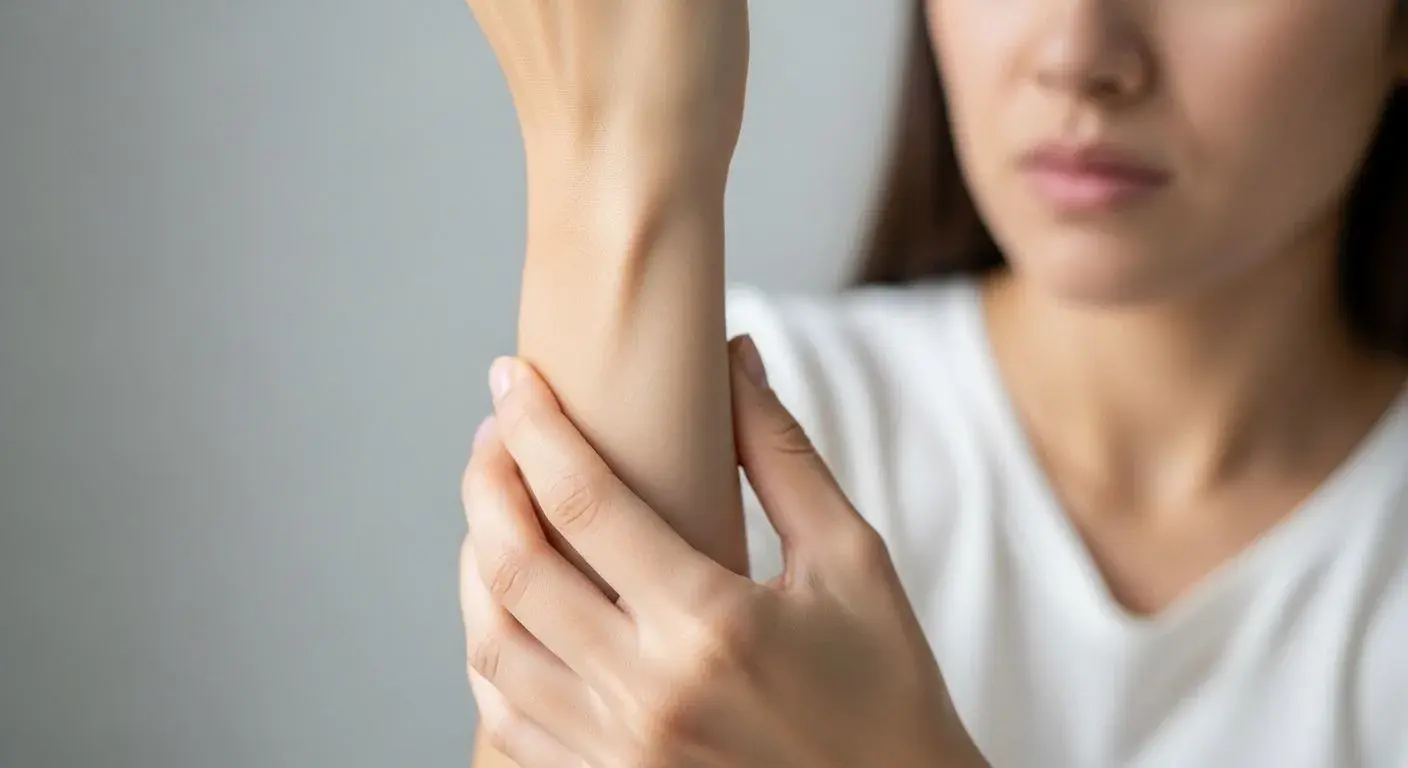
Common Myths About Nerve Itching — and What the Evidence Actually Shows
The most damaging myth is that persistent itching without a visible rash is psychosomatic. While anxiety and stress amplify neuropathic itch through cortisol-driven nervous system sensitisation, the itch itself has a physiological origin. Women who are told their unexplained itching is 'anxiety' often spend months or years in the wrong treatment pathway before the nerve component is identified.
A second misconception is that scratching relieves nerve itch. In allergic itch, scratching briefly suppresses the signal and provides relief. In neuropathic itch, scratching activates the same hypersensitised nerve fibres producing the itch, creating a scratch-itch cycle that worsens both the sensation and any secondary skin damage. Breaking the scratching habit is a treatment goal in itself, not just a cosmetic consideration.
Contradiction between belief and evidence: Many people assume that numbing the skin with ice will stop nerve itch. For inflammatory surface itch, this works. For neuropathic itch, cold can paradoxically intensify it — because cold activates the same C-fibre nerve pathways responsible for the misfiring. Warm (not hot) temperature application is generally better tolerated for nerve-origin itch and avoids triggering the cold-sensitive fibres.
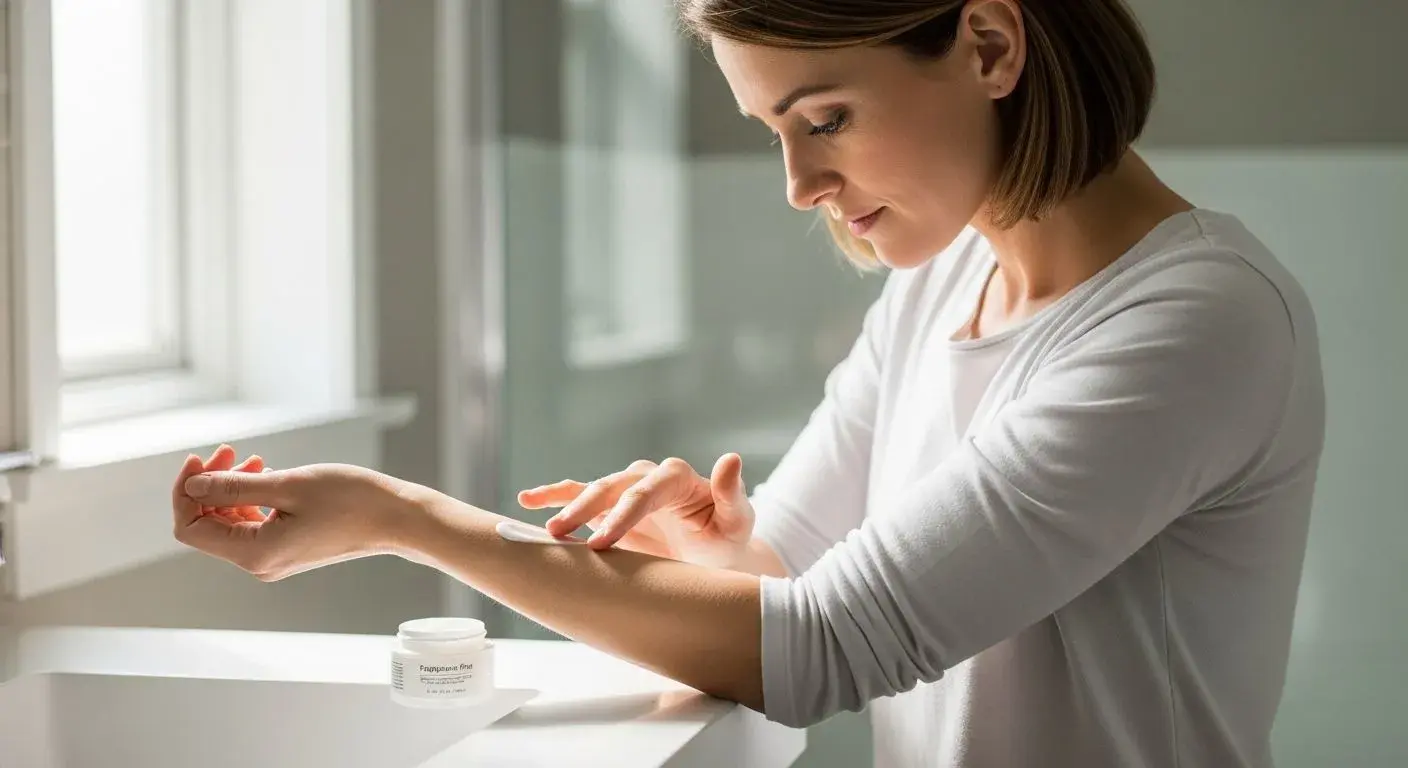
Practical Strategies to Stop Nerve Itching
Effective treatment addresses nerve sensitisation directly, not the skin surface. The following approaches have the strongest evidence for neuropathic pruritus:
- Topical capsaicin (0.025-0.1% cream): Depletes substance P from sensory nerve endings, reducing their capacity to transmit itch signals. Must be used consistently for 2-4 weeks before improvement is apparent. Initial burning sensation is normal and subsides.
- Topical menthol (1-3%): Activates TRPM8 receptors which counter-stimulate the itch-transmitting fibres. Provides faster but shorter relief than capsaicin; useful for acute episodes.
- Alpha-lipoic acid (600mg daily): Strong antioxidant with clinical evidence for reducing peripheral neuropathic symptoms including itch. Particularly effective when nerve sensitisation has a metabolic component.
- Gabapentin or pregabalin (prescription): First-line medical treatment for neuropathic pruritus that does not respond to topical approaches. Both reduce aberrant nerve firing. Not appropriate as a first step — explore topical and nutritional interventions first.
- HRT (for menopause-related nerve itch): The most effective long-term intervention for hormonally driven neuropathic itch. Oestrogen therapy restores myelin protection and reduces nerve hypersensitivity over 3-6 months.
- Vitamin B12 supplementation (methylcobalamin): Deficiency is a direct cause of peripheral nerve misfiring. In women over 45, B12 absorption declines and deficiency-driven neuropathic itch is common but underdiagnosed.
When Standard Nerve Itch Treatment Fails
If nerve itching persists despite the above interventions, a specialist referral is warranted. Dermatologists, neurologists, and menopause specialists may all be relevant depending on the suspected origin. Investigations worth pursuing include: full nerve conduction study, MRI of the spine (to rule out compression), thyroid panel, and B12 and folate levels.
When standard advice fails: Women who have tried capsaicin and B12 without improvement and who have oestrogen-decline-driven itch sometimes find that low-dose naltrexone (LDN) provides relief. LDN modulates opioid receptors in the nervous system and has emerging evidence for neuropathic pruritus, though it remains off-label and requires specialist oversight. It is most commonly discussed in MS-related itch but is increasingly used in complex menopausal neuropathy cases.
Never delay investigation of itch accompanied by jaundice, unexplained weight loss, night sweats distinct from menopause, or persistent fatigue — these may indicate systemic causes (liver, kidney, or lymphatic disease) that require urgent assessment.