
Why Menopausal Skin Needs Hyaluronic Acid Differently
The appeal of a hyaluronic acid face mist becomes critical during menopause when declining estrogen reduces your skin's natural hyaluronic acid production by up to 50%. This molecule holds 1,000 times its weight in water, making it essential for maintaining plumpness and smoothness. What most women don't realize: your skin doesn't just produce less hyaluronic acid—it also loses the ability to retain the moisture that hyaluronic acid attracts. This creates a compound dehydration problem where simply drinking more water doesn't translate to hydrated skin.
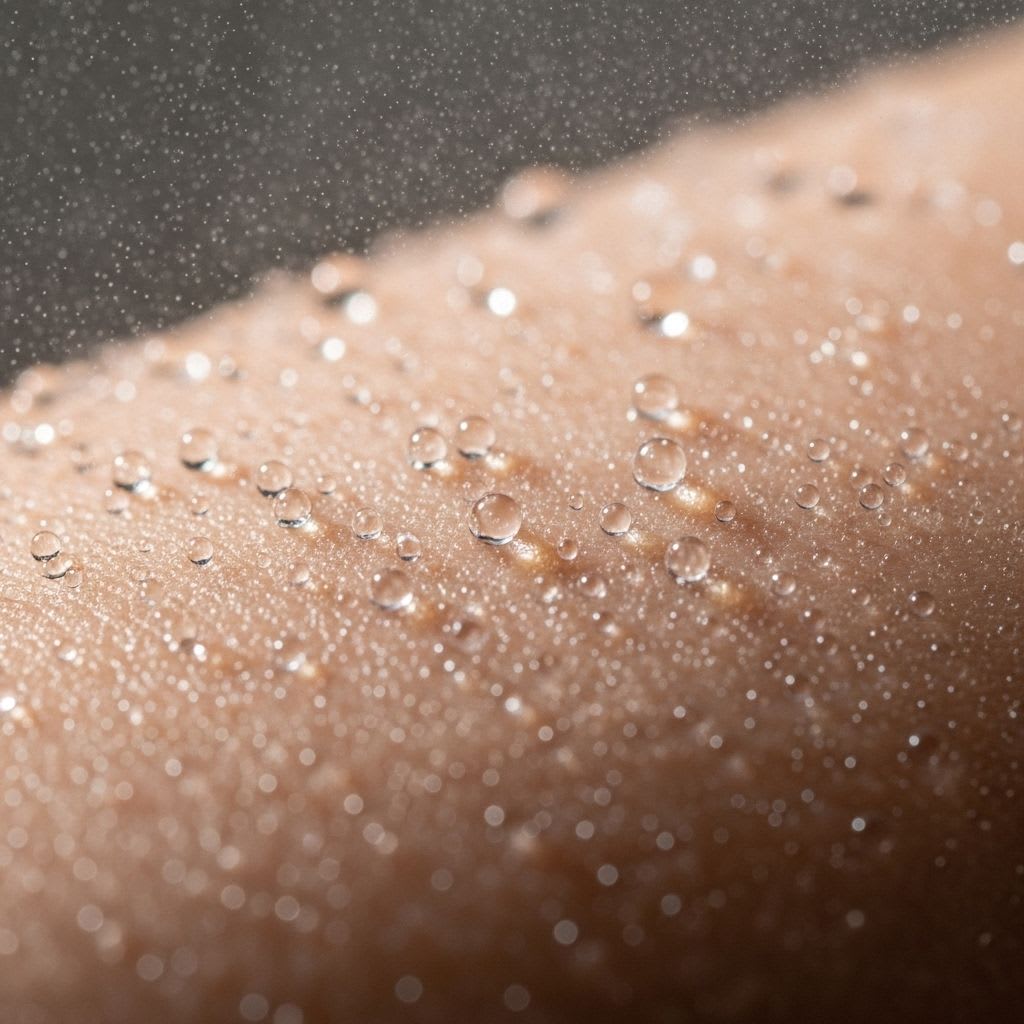
The science reveals why mist delivery matters specifically for hormonal skin changes. Declining sebum production leaves your skin barrier compromised, making it difficult for heavier serums to penetrate without pilling or sitting on the surface. A hyaluronic face mist delivers micro-droplets of low molecular weight hyaluronic acid that absorb instantly without requiring an intact barrier. The mist format also allows multiple applications throughout the day, addressing the rapid moisture evaporation that menopausal skin experiences every 2-3 hours.
What dermatologists observe in clinical practice: women often confuse dehydration with dryness, treating surface symptoms with heavy creams while underlying water content remains depleted. Hyaluronic acid addresses dehydration at the source by drawing moisture from the atmosphere into the epidermis. However, this only works when ambient humidity exceeds 40%—in dry climates or heated indoor environments, hyaluronic acid can actually pull water from deeper skin layers, worsening dehydration. For comprehensive skin barrier support during hormonal changes, see our guide on menopause skincare for hormonal changes.
The Face Mist Myths Sabotaging Your Hydration
Myth 1: All Face Mists Provide Equal Hydration
The misconception that costs women actual hydration: thermal water sprays, rose water mists, and hyaluronic acid mists serve completely different purposes. Plain water mists without humectants actually dehydrate skin through evaporative cooling—they feel refreshing but draw moisture out as they evaporate. Only mists containing humectants like hyaluronic acid, glycerin, or aloe actually bind water to skin. What beginners misunderstand: the ingredient list order matters. If water is the first ingredient and hyaluronic acid appears near the end, you're getting mostly fancy water.
Myth 2: More Sprays Equal Better Hydration
Here's where application technique contradicts intuition: hyaluronic acid requires an occlusive layer on top to prevent the water it attracts from evaporating. Spraying your face every hour without following with moisturizer creates a cycle of temporary plumping followed by rapid dehydration that leaves skin worse off. Experienced users apply hyaluronic face mist, wait 30-60 seconds for absorption, then immediately layer a lightweight moisturizer or facial oil to seal it in. The trade-off? This two-step process feels less convenient than quick spritz-and-go, but the hydration lasts 4-6 hours instead of 30 minutes.
Myth 3: Hyaluronic Acid Works the Same Regardless of Molecular Weight
The contradiction between marketing and science: hyaluronic acid comes in different molecular weights that penetrate to different skin depths. High molecular weight (1,000-1,800 kDa) sits on the surface creating immediate plumpness but doesn't address deeper dehydration. Low molecular weight (50-1,000 kDa) penetrates to the dermis for lasting hydration but provides minimal immediate visual effect. The most effective formulas blend multiple molecular weights, though brands rarely disclose this detail. Evidence shows that mature menopausal skin benefits most from low and medium molecular weights that can penetrate compromised barriers.
How to Actually Use Hyaluronic Acid Face Mist Effectively
The most effective hyaluronic acid face mist protocol for menopausal skin requires understanding when and how to layer it within your routine. Clinical testing reveals that hyaluronic acid performs optimally when applied to damp skin—the moisture on your face becomes the water source it binds to your skin. This means the best time for application is immediately after cleansing, before skin dries completely, or after dampening face with plain water.
Strategic application timing throughout the day:
- Morning base layer: After cleansing, mist while skin is still damp, wait 60 seconds, then apply vitamin C serum or other actives. The hyaluronic acid creates a hydrated foundation that improves serum penetration. For combining with other actives, see using vitamin C and hyaluronic acid together.
- Midday refresh: Reapply over makeup around 2pm when indoor heating or air conditioning peaks. Hold bottle 8-10 inches away for fine mist that won't disturb makeup. Gently press (don't rub) with clean hands to encourage absorption.
- Evening treatment layer: After cleansing and toning, mist generously before applying retinoids or peptide serums. The hydration buffer reduces retinoid irritation while maintaining efficacy.
- Pre-flight or travel application: Airplane cabins drop to 10-20% humidity. Apply hyaluronic mist every hour followed immediately by a thin layer of facial oil to create a moisture seal that combats extreme dryness.
What experienced practitioners do differently: they customize their hyaluronic acid mist based on climate. In humid environments (above 60% humidity), hyaluronic acid can work alone with just a lightweight moisturizer. In dry climates or during winter, they layer it between a hydrating toner and a richer occlusive moisturizer, creating a moisture sandwich that prevents transepidermal water loss. Some even add a few drops of glycerin to their mist bottle in extremely dry conditions, increasing the humectant concentration for enhanced performance.
When Hyaluronic Acid Face Mist Backfires
Here's the edge case that clean beauty guides ignore: some women develop sensitivity to preservatives commonly used in mist formulations, particularly phenoxyethanol and sodium benzoate which require higher concentrations in water-based products. The symptoms—redness, stinging, or paradoxical dryness—get attributed to the hyaluronic acid itself when the actual culprit is the preservation system. The solution requires finding preservative-free options that use airless pump technology instead of spray bottles, or formulas preserved with alternative systems like leuconostoc ferment or gluconolactone. The limitation? Airless pumps don't provide the satisfying mist experience, and alternative preservatives sometimes have shorter shelf lives. Additionally, women on certain medications or with specific autoimmune conditions may experience histamine reactions to fermented preservatives. If your skin worsens with hyaluronic acid mist despite proper layering technique, the issue likely isn't the active ingredient—it's the delivery system or supporting ingredients. This requires switching formulas rather than abandoning the ingredient category entirely.