
What Makes Laura Geller Different: The Baked Formula Explained
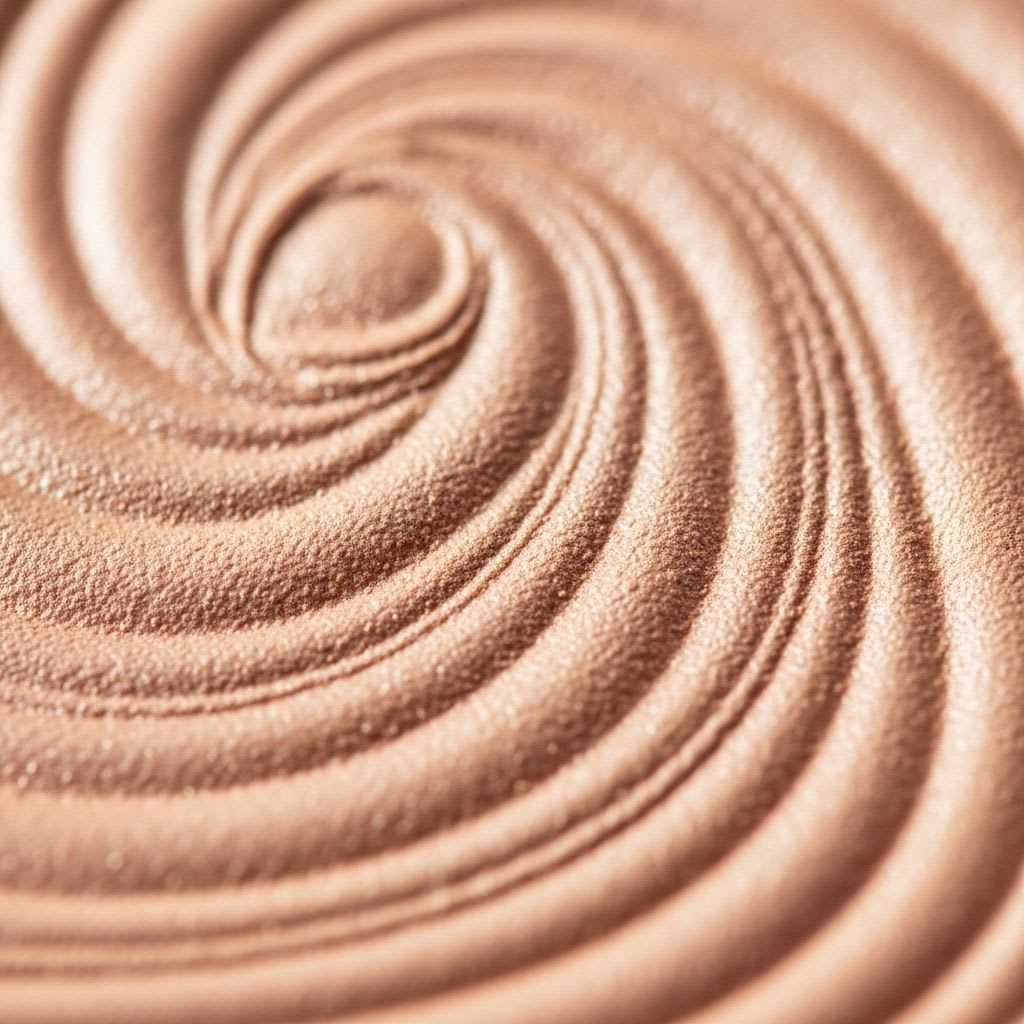
Laura Geller's signature baked powder foundation undergoes a unique manufacturing process where the formula is baked on terracotta tiles for 24 hours, creating a marbleized texture with combined shades. This isn't just marketing—the baking process reduces powder particle size and increases binding, which theoretically means smoother application and less caking in fine lines. The Balance-n-Brighten formula specifically combines foundation, highlighter, and bronzer shades in swirled patterns, allowing you to customize coverage by swirling your brush.
For menopausal skin, the critical question is whether this technology translates to real benefits or creates new problems. The baked formula contains fewer fillers than traditional pressed powders, which should reduce settling in wrinkles. However, it's still a powder foundation—a category that inherently poses challenges for dehydrated, hormone-affected skin. The ingredient list includes dimethicone (a silicone that can temporarily smooth texture) and various forms of mica (for light reflection), but lacks the hydrating components found in liquid or cream formulas.
What users in perimenopause and early menopause report: when applied correctly over well-hydrated skin, the Balance-n-Brighten provides buildable, natural-looking coverage that feels weightless. The marbleized shades create subtle dimension that can offset the flatness mature skin sometimes develops. However—and this is crucial—it performs dramatically differently depending on your specific menopausal skin changes, application method, and realistic expectations for powder formulas. Learn more about choosing foundations in our age-defying foundation guide.
Does Laura Geller Settle in Wrinkles? The Honest Answer
The most common complaint about Laura Geller from mature skin users isn't about the brand's quality—it's about mismatched expectations about powder foundation on menopausal skin. Yes, Laura Geller baked foundation can settle into wrinkles, but so can virtually every powder formula when applied to dehydrated skin or used incorrectly. The critical distinction is that it settles less than standard pressed powders due to finer particle size, but more than cream or liquid foundations designed specifically for mature skin.
Here's the contradiction the brand doesn't address clearly: Laura Geller markets heavily to mature women and QVC audiences, yet powder foundations fundamentally work against the needs of estrogen-depleted skin. Women in late perimenopause and post-menopause—when skin is driest and wrinkles deepest—report the most disappointing results. Those in early perimenopause with relatively normal hydration levels report much better experiences. This creates a split in reviews: younger mature users (45-52) often love it, while older users (55+) frequently complain about settling and dryness.
The product performs best when you violate typical powder application rules: apply with a damp beauty sponge rather than a brush, use minimal product, and apply only to well-prepped skin with intensive hydration underneath. Skip setting spray or additional powder entirely. When users report excellent results on mature skin, they're almost always using these modified techniques rather than the swirl-and-buff method Laura Geller demonstrates. For comprehensive makeup strategies, see our complete menopause makeup guide.
The ingredients include talc as a primary component, which absorbs oil and moisture—helpful for combination skin but problematic for dry menopausal skin. There's minimal skincare benefit beyond the silicones providing temporary smoothing. If your skin produces almost no oil (common post-menopause), this formula will accentuate rather than minimize texture. However, for women who still have some natural oil production or prefer powder's convenience and feel, it's among the better options in its category.
When Laura Geller Works vs. When to Choose Alternatives
Best Case Scenarios for Balance-n-Brighten
Laura Geller excels in specific situations that don't match the typical menopausal skin profile. It works beautifully for women in early perimenopause who still have combination skin with some oil production. The formula also suits women who prioritize quick application and natural finish over maximum wrinkle coverage—if you're comfortable with your lines and want light, breathable coverage that evens tone without heavy makeup feel, this delivers.
It's particularly effective for touch-ups throughout the day because powder doesn't disturb underlying makeup layers. For women with minimal fine lines and good skin texture who simply need tone evening, the Balance-n-Brighten's multi-tonal swirls create natural dimension better than single-shade foundations. The light-reflecting particles work well in flattering lighting and for photography, creating a subtle glow without obvious shimmer. If you have normal-to-oily menopausal skin (which does occur, though less commonly), this is one of few powder options that doesn't create a flat, overly matte finish.
When to Choose Different Formulas Instead
Skip Laura Geller if you have deep static wrinkles, extremely dry skin, or are in late menopause with significant collagen loss. The powder format cannot provide the hydration and plumping effects these conditions require. Users report that on very dehydrated skin, the product appears chalky within 2-3 hours and emphasizes every texture irregularity by afternoon.
The trade-off is clear: powder foundations offer convenience, longevity, and oil control but sacrifice hydration and smoothing. If wrinkle minimization is your primary goal, cream or liquid foundations with hydrating ingredients will always outperform baked powders, regardless of how well-formulated. Additionally, if you have age spots or hyperpigmentation requiring significant coverage, the sheer-to-medium buildable coverage of Balance-n-Brighten won't suffice—you'll need fuller coverage formulas.
The honest limitation: Laura Geller is a legitimate, well-formulated brand that's simply working within the constraints of powder technology. It's not that the products are bad—it's that powder foundations inherently don't address menopausal skin's primary needs. For women whose skin still tolerates powder well, Laura Geller is among the better options. For those with advanced menopausal skin changes, even the best baked powder won't deliver the results that hydrating liquid formulas provide. The brand quality is good; the format's compatibility with severely changed skin is limited.