Why Pros Don't Have a Single Favorite Foundation
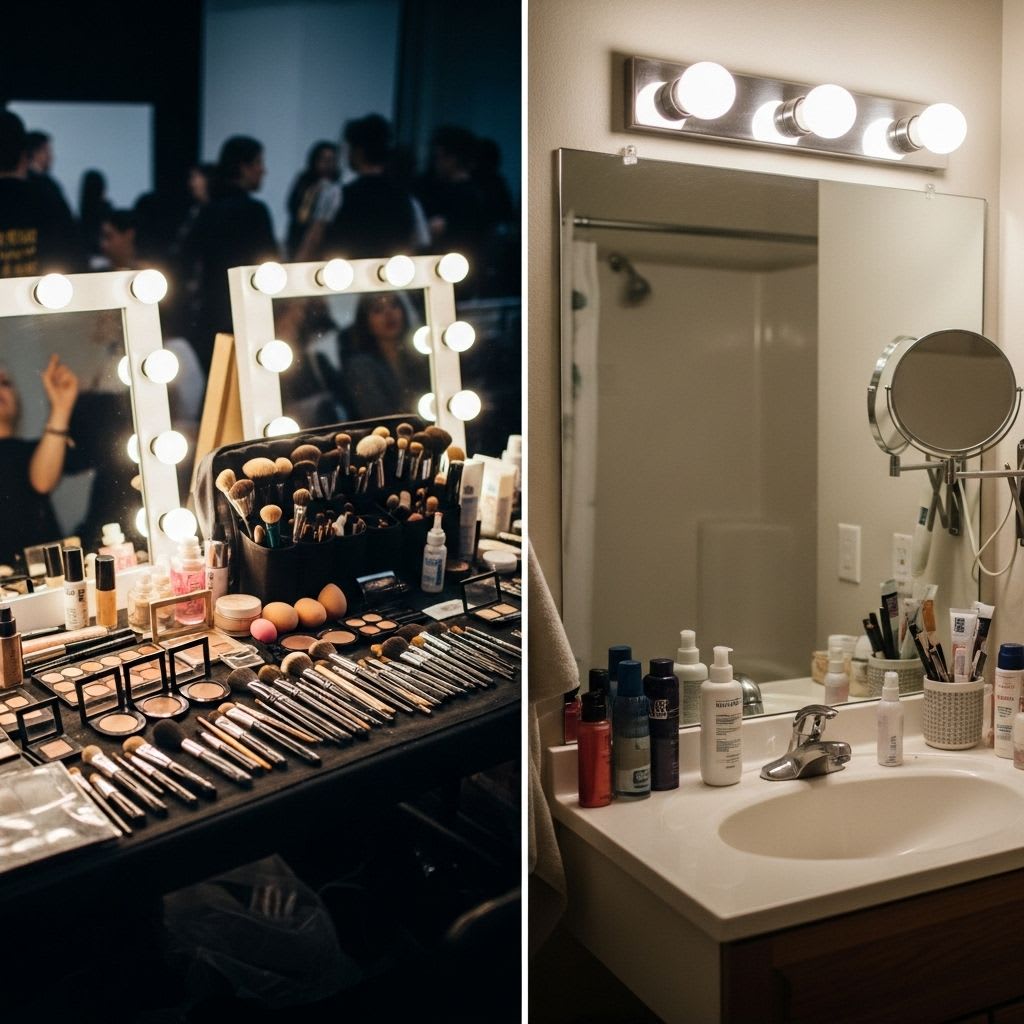
The question what foundation do makeup artists use assumes professionals work like consumers—finding one perfect product and using it exclusively. The reality is that makeup artist foundation kits contain 15-30 different formulas across multiple brands, price points, and finish types because professionals adapt their product selection to specific variables: the client's skin type, the lighting conditions, the camera format, the expected wear duration, and the final image destination. A foundation perfect for 4K video under studio lighting photographs terribly in natural light. A formula that looks flawless in person can appear flat and lifeless on camera.
What distinguishes makeup professional foundation choices from consumer purchasing isn't the products themselves—it's the strategic thinking about which formula solves which specific problem. Professionals don't ask 'what's the best foundation'—they ask 'which foundation gives me the exact finish I need for this texture, this lighting, this output medium.' They'll mix a dewy serum foundation with a matte full-coverage formula to create custom finishes unavailable in any single product. They'll apply three different foundations to one face—one for the center, one for the perimeter, one for problem areas—creating dimension impossible with monochromatic application.
The misconception that wastes consumer money: believing that makeup artist recommended foundation products possess magical properties unavailable in regular formulas. Professional makeup artists frequently use drugstore foundations alongside luxury options because they recognize that formula architecture matters more than brand prestige. The $12 foundation that provides the exact coverage and finish needed outperforms the $75 option that doesn't match the specific requirement. What makes application look professional isn't access to secret products—it's understanding exactly what result you're trying to achieve and selecting formulas engineered to deliver that specific outcome.
The All Skin Types Myth Professionals Navigate
Searching for best foundation for all skin types reveals a fundamental marketing fabrication: no single foundation formula performs optimally across the spectrum from severely dry to extremely oily skin. Physics prevents this. Dry skin needs emollient-rich formulas that prevent moisture loss; oily skin needs oil-absorbing ingredients that control shine. These requirements oppose each other chemically. Products claiming to suit all skin types achieve mediocrity across the board—working acceptably but not exceptionally for anyone.
What professional makeup artists actually do: they categorize foundations by finish and formula type rather than skin type compatibility. They know that someone with oily skin might need dewy foundation for photography to prevent a flat, matte appearance on camera. They understand that dry skin might require mattifying foundation on the T-zone while using cream formula on the cheeks. The best foundation for makeup artist work isn't universal formulas—it's versatile formulas that can be layered, mixed, and customized to create any desired effect regardless of the starting skin condition.
Professional Application Techniques That Transform Results
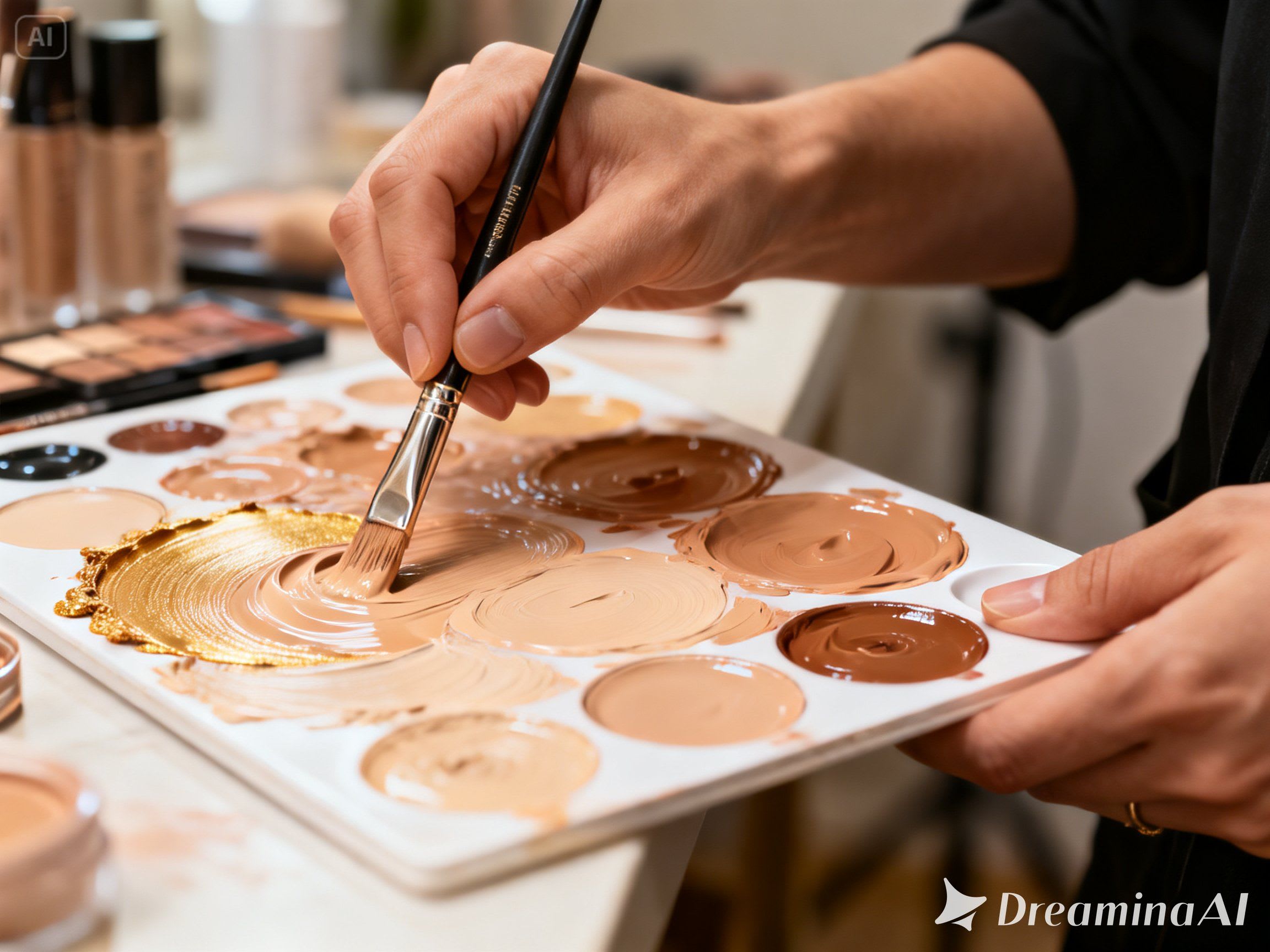
The secret to professional-looking foundation isn't the product—it's the application method that most tutorials completely skip. Makeup artists never apply foundation directly from bottle to face. They dispense product onto a palette or the back of their hand, allowing it to warm slightly and achieve proper consistency. They use different tools for different face zones: dense brushes for areas needing coverage, damp sponges for sheer areas, fingers for blending edges into hairline and jawline. This multi-tool approach creates the seamless, undetectable finish that characterizes professional work.
The technique that separates professional from amateur results: working in thin layers rather than achieving coverage in one application. Makeup artist recommended foundation application involves three passes—first layer provides sheer, even base; second layer builds coverage where needed; third layer spot-treats any remaining imperfections. Each layer dries completely before the next application, preventing the product buildup and texture emphasis that occurs when foundation is piled on wet. This time investment explains why professional makeup takes 45 minutes compared to your 5-minute routine—not because pros use better products, but because they use better processes.
- For photography: Pros use slightly heavier coverage in center of face where cameras focus, sheerer on perimeter to prevent harsh edges
- For mature skin: Artists press foundation into skin with patting motions rather than dragging brushes that stretch delicate tissue
- For longevity: Professionals set foundation immediately with powder in oil-prone zones only, leaving other areas to set naturally for skin-like finish
- For texture: Artists mix silicone primer with foundation for large pores, creating temporary filling effect that blurs imperfections
The shade-matching expertise that consumers lack: makeup artists assess foundation color in natural indirect light—never fluorescent store lighting or direct sun—and check how it looks against the neck and chest rather than testing on the hand or jawline. They know that foundation should match your undertone perfectly but can be slightly lighter or darker than your exact skin tone depending on the desired effect. For mature skin showing age spots or hyperpigmentation, they often choose shades that match the lighter areas rather than averaging all the tones, creating a brightening effect that appears naturally luminous rather than obviously lightened.
If you're specifically addressing hormonal skin changes, professionals recommend pairing foundation techniques with our guide to non-toxic foundations for menopausal skin that addresses both clean formulation and professional application for changing skin texture and sensitivity.
When Professional Advice Doesn't Translate to Real Life
The advice to invest in professional-grade foundations fails for everyday users who don't have professional skills, lighting, or time. Pro formulas often require expert blending techniques to avoid looking heavy or obvious—they're engineered for skilled application under controlled conditions, not rushed bathroom mirror application before work. A foundation that looks flawless when applied by a trained artist in 30 minutes might look terrible when you apply it in 3 minutes with inadequate lighting and basic tools. Consumer formulas actually perform better for most people because they're designed to be foolproof rather than infinitely customizable.
Another scenario where professional recommendations backfire: the multi-foundation approach that makeup artists use requires understanding color theory, undertones, and how different finishes interact. Mixing warm and cool toned foundations without this knowledge creates muddy, ashy results. Layering matte and dewy formulas incorrectly causes separation and pilling. The makeup professional foundation techniques that create editorial perfection demand expertise most people don't have—and attempting them without proper training often produces worse results than simple, single-foundation application done well.
The critical trade-off between professional and practical: makeup artists working on clients can take 45 minutes to build perfect foundation because that's their job. You have 10 minutes maximum before leaving for work. Professional advice to prep skin for 15 minutes, apply foundation in three thin layers with complete drying between each, then set strategically with multiple powder products simply doesn't fit real-world time constraints. Sometimes the drugstore tinted moisturizer you can apply perfectly in 90 seconds delivers better real-life results than the professional foundation you don't have time to apply correctly.
The fundamental contradiction in professional foundation advice: makeup artists prioritize how skin looks in specific lighting and camera conditions over how it feels or behaves throughout the day. A foundation that photographs flawlessly might feel uncomfortably heavy during 12 hours of wear. A formula that looks perfect under studio lighting might appear masklike in natural daylight. Professional recommendations serve professional goals—creating images that look perfect in controlled viewing conditions. Your goal is foundation that looks good enough across all the lighting, activities, and duration of your actual life, which requires different product selection and application philosophy than professional artistry demands.
For comprehensive foundation guidance that prioritizes real-world wearability and addresses the specific challenges of hormonal aging, explore our complete menopause makeup guide that translates professional techniques into achievable daily routines for changing skin.