Why Standard Makeup Tutorials Don't Work on Mature Skin
Most makeup tutorials for older women fail because they're created by younger makeup artists applying products to models with smooth, firm skin and full collagen—exactly what mature skin no longer has. The techniques that create flawless finishes on 25-year-old skin actively emphasize every texture irregularity on skin over 50. Rubbing foundation into skin stretches delicate tissue that's lost elasticity. Heavy layering of products settles into lines that weren't visible before makeup application. Powder baking creates a cakey, aged appearance on skin that's already dealing with moisture depletion from declining estrogen. You need fundamentally different application methods that work with your skin's current reality rather than fighting against it.
Here's what professional makeup artists understand about makeup tutorial mature woman applications that YouTube videos skip: the order of operations matters exponentially more on aging skin. Applying products in the wrong sequence causes pilling, separation, and emphasized texture even when you're using excellent formulas. Mature skin requires primer to fill microscopic valleys before foundation, cream products applied before any powder products to prevent dry-cake appearance, and strategic rather than comprehensive coverage. The five-minute routine that worked at 30—splash skincare, rub in foundation, dust powder, swipe mascara—creates visibly aged results at 60 because your skin no longer has the resilience to compensate for rushed or imprecise application.
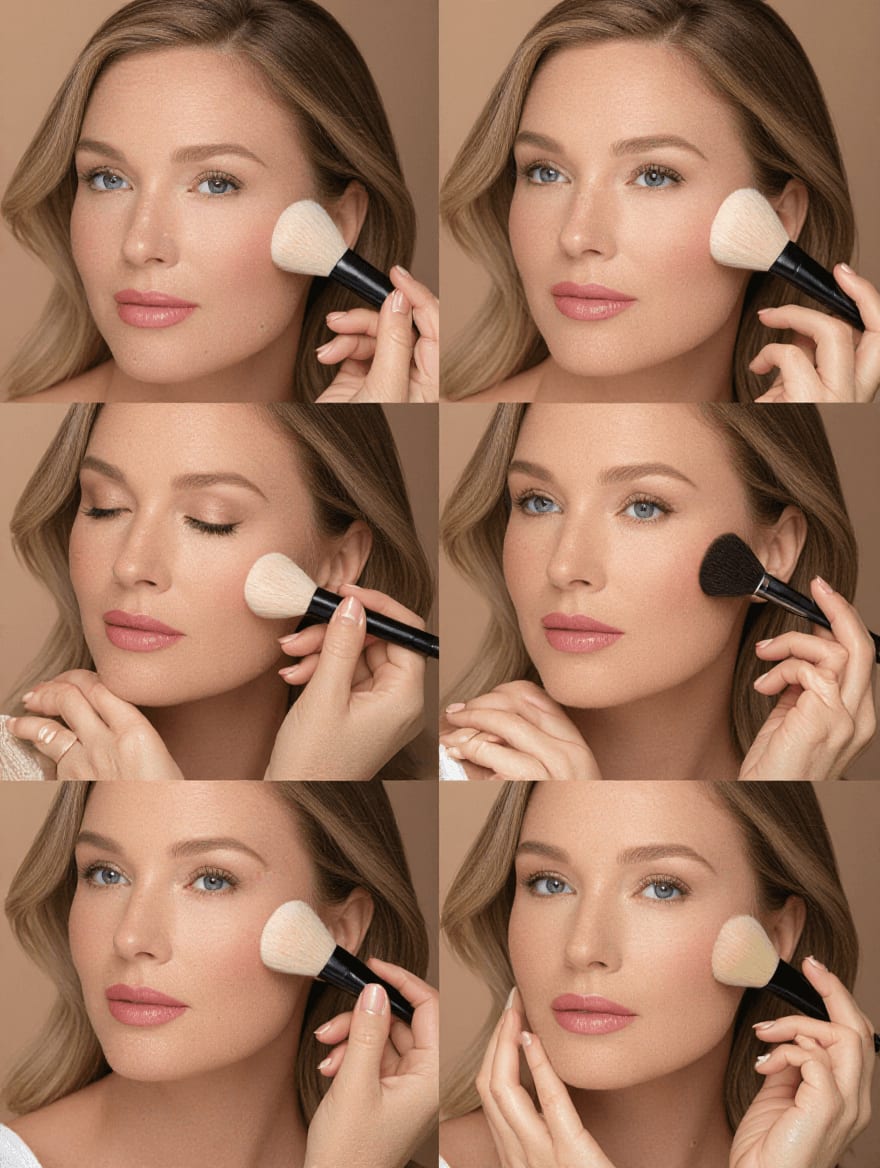
The critical factor most tutorials ignore: your application tools require complete replacement after 50. The dense buffing brushes and beauty sponges designed for blending full-coverage foundation into young skin create dragging and pulling on delicate mature skin, stretching tissue and emphasizing texture. Fingers used to work beautifully for blending but now your hands might have developing arthritis or decreased dexterity making precise application difficult. Simple makeup for older ladies step by step requires softer, fluffier brushes that deposit rather than buff product, gentle pressing motions rather than rubbing or dragging, and tools specifically designed for the mechanical realities of aging hands and aging skin working together.
The Prep Work That Changes Everything
The difference between makeup that looks professional versus amateur on mature skin happens before you touch any color cosmetics. Start with properly hydrated skin—apply your serum, wait sixty full seconds for absorption, then apply moisturizer and wait another full two minutes. This waiting period allows skincare to penetrate rather than sitting on the surface where it will mix with foundation and cause separation. On extremely dry areas—typically around the nose, between brows, and along the jawline—add a second thin layer of moisturizer and press it in with fingertips. This extra moisture prevents foundation from clinging to dry patches that become visible as makeup wears throughout the day.
Next, apply primer using pressing motions rather than rubbing. Take a rice-grain amount of silicone-based primer and press it into areas with visible texture—forehead lines, nasolabial folds, enlarged pores, any areas where foundation typically settles badly. The pressing motion deposits primer into the actual depressions rather than skimming over the surface. Allow the primer sixty seconds to set and form its smoothing network before proceeding to foundation. This pause transforms primer from a slippery base that foundation slides around on into a genuine texture-minimizing foundation that creates the smooth canvas you need for flawless application.
The Complete Step-by-Step Application Process
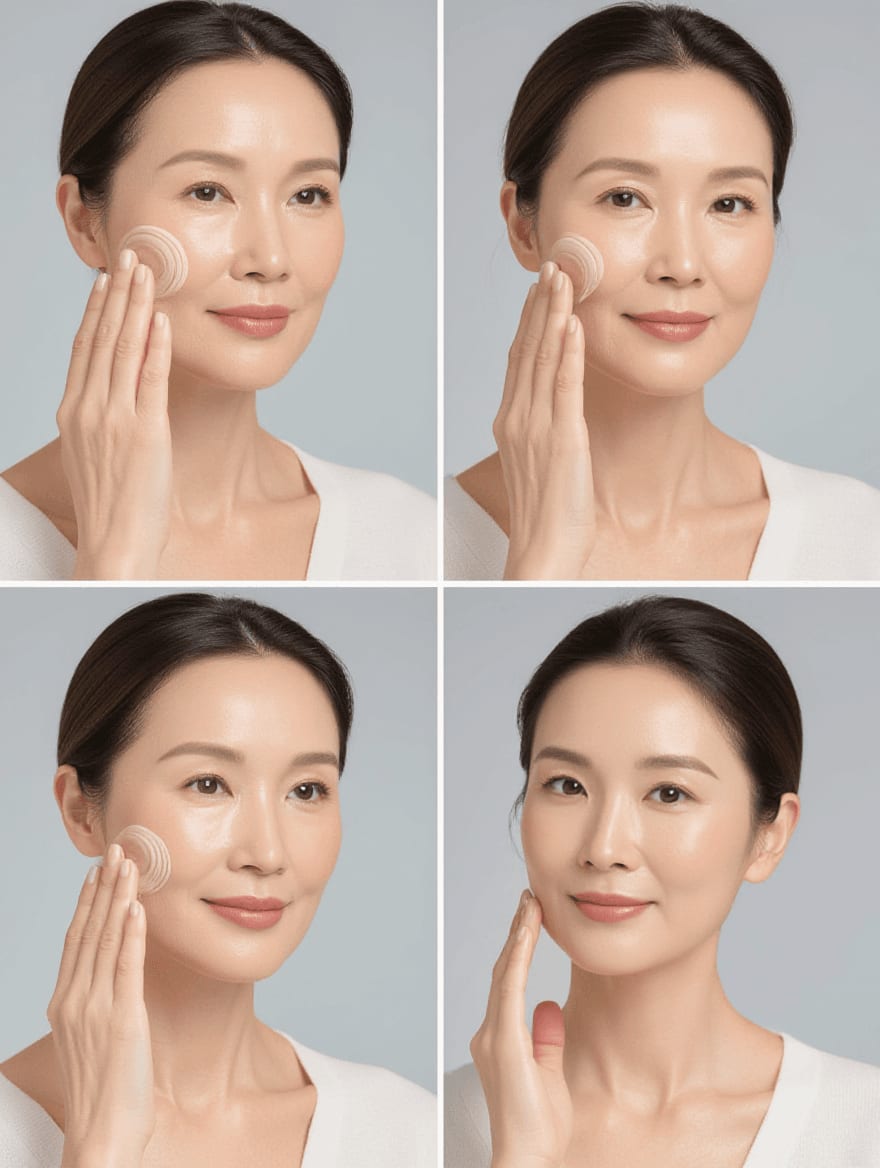
For older makeup application that actually flatters, foundation technique requires complete rethinking. Instead of applying foundation all over your face in circular buffing motions, use a damp beauty sponge to press thin layers only where you need coverage. Start with under-eye area if you have darkness or hollowing—press foundation gently outward from inner corner, building coverage gradually with multiple thin layers. Move to any redness around the nose, pressing product in rather than rubbing. Add coverage to chin if needed, any areas of discoloration, and lightly over forehead if you have uneven tone. Leave areas with good natural skin texture foundation-free—your cheeks, temples, areas without discoloration—allowing your real skin to show through.
Concealer placement on mature skin differs dramatically from standard tutorials. Rather than applying concealer in large triangles under eyes or all over lids, use minimal product in precise locations. For under-eye hollowing, apply concealer only in the actual shadow—the darkest part of the hollow, typically in an inverted crescent shape. Press in with your ring finger using the lightest possible touch. For lid discoloration, use concealer only on areas where veins show through or where shadowing occurs, not across the entire lid which creates heaviness on hooded eyes. The goal is targeted correction rather than full coverage, which prevents the cakey, settled appearance that happens when you layer too much product on thin, crepey skin.
- Prep: Hydrate, wait, prime textured areas, wait 60 seconds before proceeding to color products
- Foundation: Press thin layers only where needed using damp sponge, building coverage gradually
- Concealer: Target actual shadows and discoloration with minimal product, press don't rub
- Cream blush: Apply to apples of cheeks, blend upward toward temples for lifted appearance
- Setting powder: Press minimal amount only in T-zone using damp sponge, avoid textured areas entirely
- Eye makeup: Cream shadow, soft liner outer corner only, mascara on upper lashes primarily
- Brows: Fill with feathery strokes, set with clear gel to prevent harsh drawn-on appearance
- Lips: Line slightly outside natural edge, fill with satin lipstick in shade deeper than natural color
The blush application that creates the most youthful effect involves using cream formula in warm peachy or rosy tones applied higher than you think necessary. Smile naturally and apply blush to the fullest part of your cheek apple, then blend upward and outward toward your temple in a lifting diagonal motion. This placement counteracts the downward drift from volume loss and creates the illusion of higher cheekbones. Avoid applying blush low on your cheeks or in traditional contouring placements that can emphasize jowling or sagging—keep color placement high and lifted for the most flattering mature results.
For comprehensive eye makeup techniques specifically adapted for mature lids, including shadow placement that works with hooding and liner strategies that don't emphasize thinning lashes, explore our detailed eye makeup guide for women over 40 that covers every aspect of flattering eye application on aging lids.
The Critical Mistakes That Make Mature Makeup Look Obvious
The most common error in mature makeup application—and one that standard tutorials never address—involves over-powdering in an attempt to increase longevity. Setting your entire face with powder after 50 creates the exact opposite effect you want: makeup looks cakey, settles into every line within hours, and emphasizes texture rather than smoothing it. If you must use powder, press minimal amounts only into your T-zone using a damp beauty sponge, which deposits powder without the dry-cake buildup that traditional powder application creates. Leave the rest of your face powder-free, allowing cream products to maintain their natural luminosity and preventing the flat, artificial appearance that all-over powder creates on moisture-depleted mature skin.
Another critical failure point involves foundation shade matching after menopause. Your undertone shifts as estrogen declines—skin that was pink-toned in your thirties often develops yellow or olive undertones by your fifties, while naturally warm-toned skin can become sallow or grayish. The foundation shade you've worn for years suddenly looks wrong because your skin color has genuinely changed, not because the formula changed. Get re-matched at least annually after 50, testing shades on your jawline in natural daylight rather than relying on hand swatches or store lighting. Many women need to shift toward warmer or more neutral shades to counteract the coolness that develops in aging skin, and using the wrong undertone adds years regardless of how expertly you apply the product.
The lip liner mistake that instantly ages mature makeup involves drawing a hard, visible line around your lips. As lips lose collagen and definition, the instinct is to create harsh borders to restore shape, but visible liner looks artificial and draws attention to the very loss of definition you're trying to disguise. Instead, use liner that exactly matches your lipstick shade, drawing slightly outside your natural lip line to create fuller appearance, then fill in your entire lip with the liner before applying lipstick on top. This technique creates a base that prevents feathering while ensuring no visible line shows if your lipstick wears away. The liner becomes invisible structure rather than obvious definition, which reads as naturally fuller lips rather than obviously lined ones.
What actually fails that nobody discusses in standard tutorials: attempting to complete your makeup in one continuous session without breaks. Your vision changes with age, making it harder to see fine details or assess color accuracy after extended periods of close work. Your hands may fatigue from holding steady in precise positions. The solution involves breaking application into segments with brief pauses. Complete base makeup—prep, foundation, concealer, blush—then step back and assess in natural light before proceeding. Take a two-minute break, rest your eyes, then return to eye makeup with fresh focus. Another pause before lips allows you to evaluate the overall look and adjust intensity if needed. This segmented approach prevents the over-application that happens when you keep adding product without stepping back to assess cumulative effect.
The hidden challenge affecting older makeup tutorials: lighting requirements change dramatically after 50. The bathroom mirror lighting that allowed perfect application at 30 no longer provides adequate visibility because aging eyes need more light to see details clearly. Natural window light becomes essential for accurate application and color assessment, but positioning yourself for optimal natural light while maintaining a comfortable makeup application angle requires intentional setup. Invest in a magnifying mirror with adjustable bright LED lighting positioned at a comfortable height where you can sit rather than stand, reducing back strain while providing the illumination your eyes now require. Test your finished makeup in multiple lighting conditions—bathroom, natural daylight, overhead office lighting—to ensure it looks appropriate across different environments rather than perfect in one specific scenario.
For understanding how this makeup application process fits into broader strategies for managing all aspects of changing appearance during hormonal transitions, including skincare coordination and product selection, see our comprehensive makeup guide for menopausal skin changes that addresses every category from foundation selection through final setting techniques adapted for hormone-affected skin.