Understanding Melasma's Surprising Link to Menopause
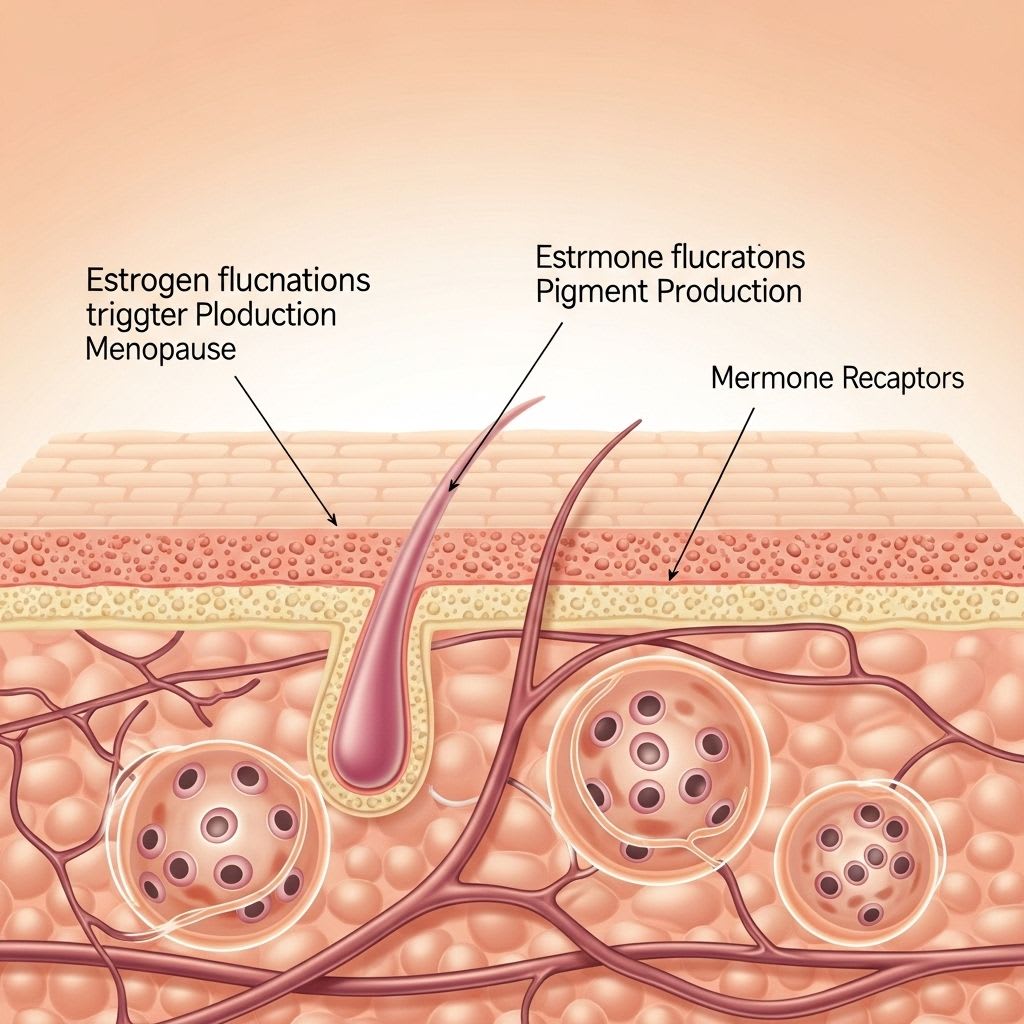
The question can a menopausal woman get melasma surprises many who assume melasma only affects pregnant women or those on birth control. The reality contradicts this narrow understanding: melasma and menopause are intimately connected, with studies showing 15-20% of menopausal women develop new melasma or experience worsening of existing pigmentation. The mechanism involves estrogen and progesterone receptors in melanocytes (pigment-producing cells) that remain active throughout menopause. While you might expect declining hormones to reduce pigmentation, the erratic fluctuations during perimenopause and the relative estrogen dominance that sometimes occurs actually trigger melanocyte hyperactivity.
What makes melasma and perimenopause particularly challenging is the unpredictability of hormonal swings. During perimenopause, estrogen doesn't simply decline linearly—it surges and crashes unpredictably over weeks or months. Each surge stimulates melanocyte activity, while UV exposure acts as the trigger that converts stimulated melanocytes into visible hyperpigmentation. This explains why women who never had melasma during pregnancy suddenly develop it at 48, or why dormant melasma from decades ago resurfaces during perimenopause despite years of clearance.
The pattern of menopause skin pigmentation changes extends beyond classic melasma. Many women notice overall skin darkening, new age spots appearing at accelerated rates, or existing freckles deepening in color. These changes reflect declining estrogen's impact on melanin distribution and skin cell turnover, which slows from 28 days premenopause to 45-60 days postmenopause. Slower turnover means pigmented cells linger longer, creating the appearance of sudden darkening even when melanin production hasn't increased. For comprehensive strategies on managing hormonal skin changes, see our complete guide to skin care during hormonal changes.
Myths That Prevent Effective Melasma Treatment
Myth 1: Melasma Only Affects Women with Dark Skin
While melasma occurs more frequently in skin types III-V (medium to darker tones), the assumption that fair-skinned women are immune contradicts clinical reality. Menopausal melasma affects all skin types, though presentation differs—lighter skin shows reddish-brown patches while darker skin displays grayish-brown pigmentation. What beginners misunderstand: fair-skinned women often go undiagnosed longer because their melasma appears less dramatic, yet it's equally resistant to treatment once established.
Myth 2: Sun Avoidance Alone Will Clear Melasma
The oversimplified advice to 'just use sunscreen' ignores melasma's dual trigger mechanism. UV exposure activates melanocytes, but hormones prime them for activation. During menopause, melanocytes remain hormonally sensitized even with perfect sun protection, meaning UV-independent factors like heat, visible light, and infrared radiation can still trigger pigmentation. Studies show melasma persists in 40-50% of menopausal women despite religious SPF 50 use, because protection strategies ignore non-UV triggers entirely.
Myth 3: Hormone Replacement Therapy Always Worsens Melasma
Here's the contradiction that confuses both patients and providers: while synthetic estrogen in birth control pills notoriously triggers melasma, bioidentical hormone replacement therapy (HRT) during menopause shows mixed effects. Some women experience melasma improvement on HRT because stable hormone levels prevent the erratic fluctuations that stimulate melanocytes. Others worsen because any estrogen exposure maintains melanocyte sensitivity. The trade-off rarely discussed: you may need to choose between managing menopause symptoms with HRT or achieving optimal melasma control, as doing both successfully requires precise hormonal fine-tuning that standard HRT protocols don't provide.
Evidence-Based Treatment Strategies That Work
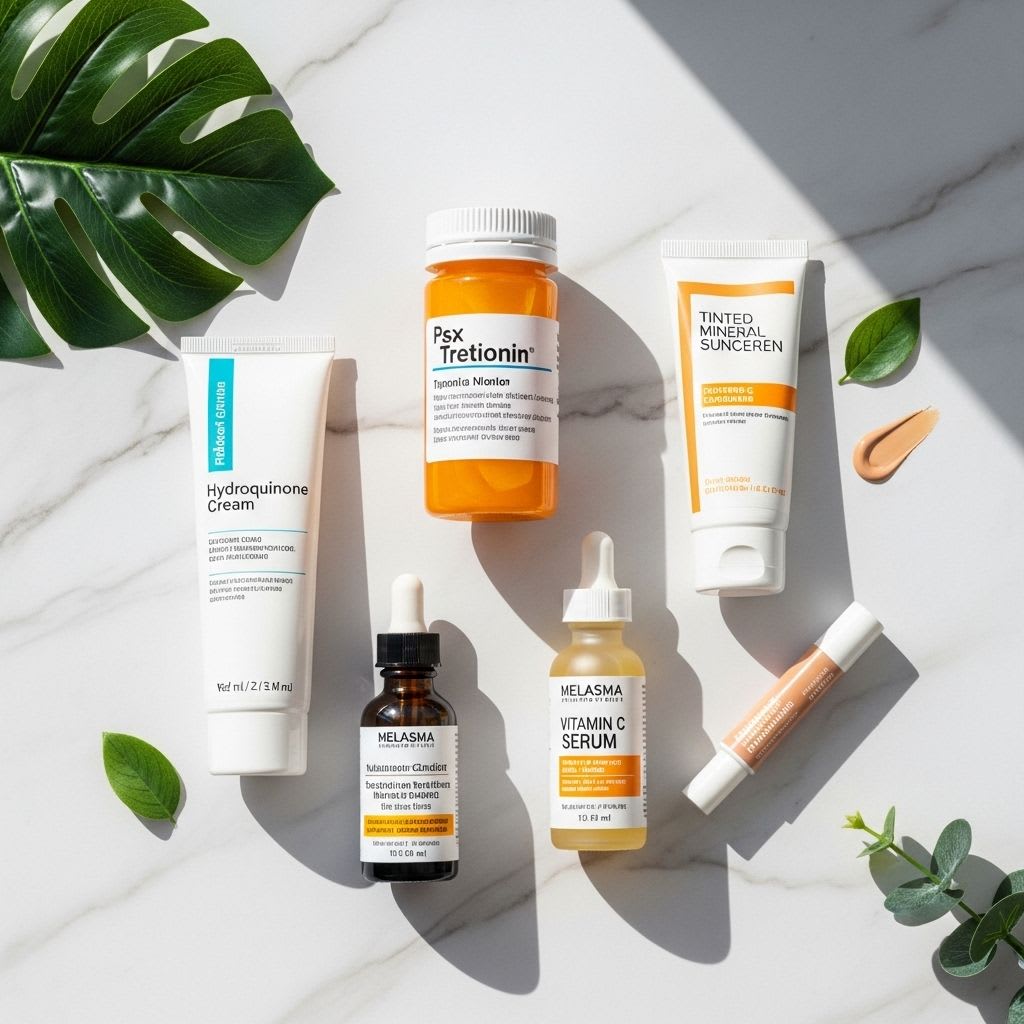
The most effective approach to menopausal melasma combines three mechanisms: inhibiting melanin production, accelerating pigmented cell turnover, and comprehensive light protection beyond UV. What experienced dermatologists prioritize is the triple-combination formula: hydroquinone (4%) to block tyrosinase enzyme, tretinoin (0.05-0.1%) to increase cell turnover, and a topical corticosteroid to reduce inflammation that perpetuates pigmentation. Clinical trials show this combination achieves 60-70% improvement in menopausal melasma versus 20-30% for single-ingredient approaches, though results require 3-6 months of consistent use.
Practical management requires understanding ingredient interactions and realistic expectations:
- Comprehensive light protection: Use tinted mineral sunscreen (iron oxides block visible light) with SPF 50, reapplied every 2 hours. Add antioxidants (vitamin C, niacinamide) underneath sunscreen to neutralize free radicals from heat and infrared exposure that chemical sunscreens don't address.
- Controlled exfoliation: Low-percentage glycolic acid (8-10%) or azelaic acid (15-20%) provides gentler melanin inhibition than hydroquinone for long-term maintenance. These work slower but avoid hydroquinone's rebound hyperpigmentation risk after discontinuation.
- Strategic cosmetic camouflage: Color-correcting concealers and foundations with high coverage reduce psychological distress while treatments work. Learn techniques in our makeup guide for menopausal skin changes.
For resistant cases, procedural interventions like chemical peels, laser therapy, or microneedling offer deeper intervention. However, these carry higher risk in hormonally unstable menopausal skin—aggressive treatments can trigger post-inflammatory hyperpigmentation that worsens overall appearance. The critical insight experienced practitioners follow: start with the gentlest effective treatment, escalate slowly, and accept that menopausal melasma requires years of maintenance rather than months of cure. Expecting permanent clearance leads to treatment frustration and potentially harmful over-treatment.
When Standard Melasma Treatment Fails
Here's the edge case that derails conventional protocols: approximately 15-20% of menopausal women develop mixed-depth melasma where pigmentation exists in both epidermis (surface) and dermis (deeper layer). Standard topical treatments only reach epidermal pigment, creating the frustrating scenario where melasma appears to improve initially but plateaus at 40-50% clearance regardless of treatment intensity or duration. Wood's lamp examination (specialized UV light) reveals this depth distinction—epidermal melasma enhances under the light while dermal pigment remains unchanged. The limitation rarely explained upfront: dermal melasma in menopausal women is essentially treatment-resistant with current topical options. Laser therapy theoretically reaches deeper pigment but risks paradoxical darkening in hormonally sensitized skin, with failure rates reaching 60% in this population. Some women pursue treatments despite low success probability, while others find acceptance through cognitive reframing and cosmetic camouflage more effective than endless interventions. This isn't giving up—it's allocating resources toward strategies with proven benefit (protection, maintenance, coverage) rather than pursuing diminishing returns from aggressive treatments unlikely to succeed. Medical literature focuses on treatment options while rarely validating this pragmatic approach, though quality of life research consistently shows acceptance-based strategies reduce melasma-related distress as effectively as partial clearance.