
Why Perimenopause Causes Cold Hands and Feet
It might seem contradictory — menopause is famous for hot flushes, yet many women simultaneously experience ice-cold hands and feet. Both symptoms come from the same root cause: a dysregulated thermostat driven by estrogen decline. Estrogen and vasodilation: Estrogen helps maintain healthy blood vessel dilation and peripheral circulation. When levels decline, small blood vessels in the hands and feet can constrict more easily, reducing blood flow to the extremities. The hypothalamus, which controls body temperature, also becomes unstable without estrogen, causing it to oscillate between vasodilation (hot flush) and vasoconstriction (cold extremities) in the same person on the same day.
Thyroid dysfunction is worth ruling out. The thyroid becomes more vulnerable to autoimmune disruption during perimenopause, and hypothyroidism causes identical symptoms: cold extremities, fatigue, and weight changes. A simple TSH blood test can differentiate between hormonal thermoregulation and a thyroid problem. Also relevant is the broader pattern of unusual skin and nerve sensations during this transition — our guide on unexpected menopause sensory symptoms explores several related experiences.
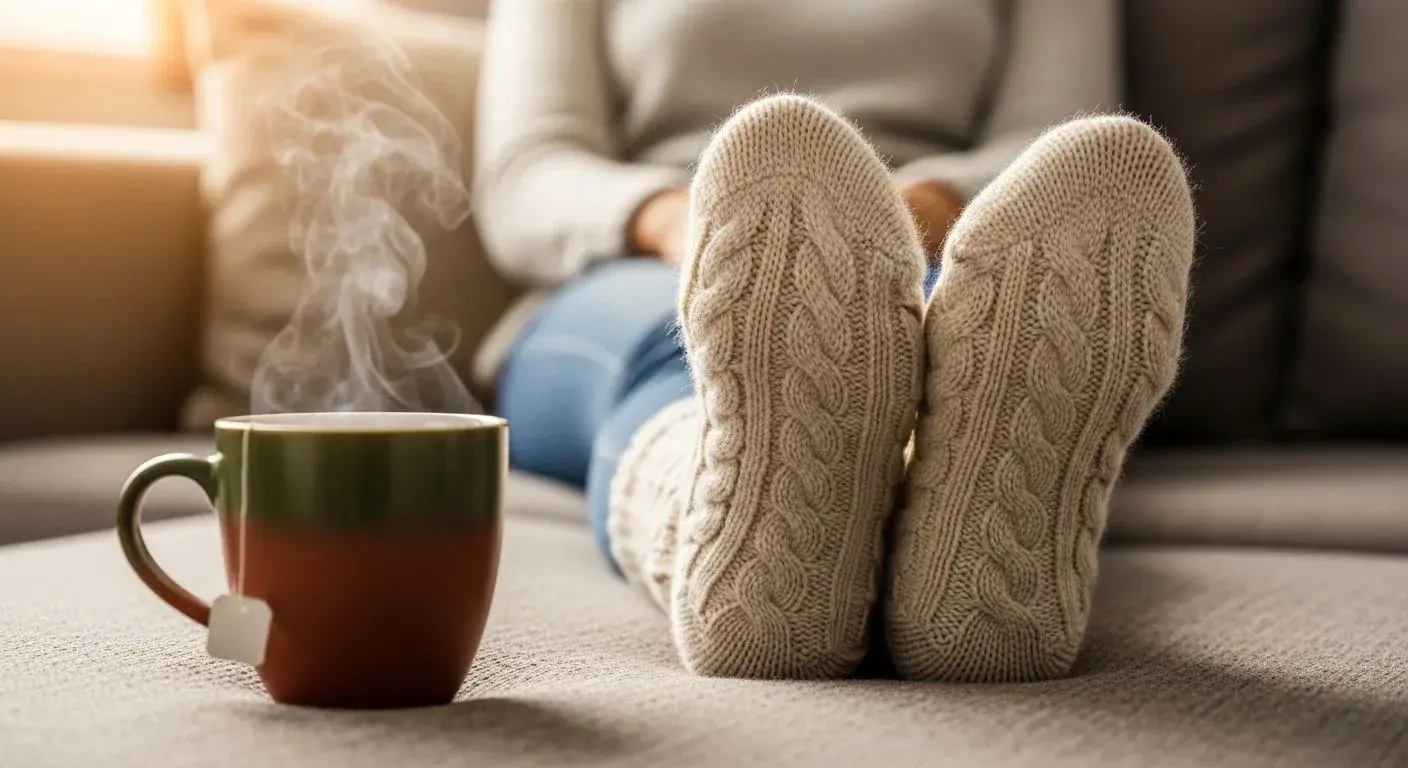
Common Misunderstandings and When Standard Advice Fails
Misconception 1: Cold hands and feet during menopause are just Raynaud's syndrome. While Raynaud's causes similar symptoms, it involves an exaggerated vascular response to cold and stress. Hormonal cold extremities in perimenopause are more diffuse and constant rather than episodic and colour-changing. Raynaud's is worth excluding but should not be assumed.
Misconception 2: Wearing more layers is the solution. Layering manages discomfort but does not address the underlying circulation issue. Women who rely solely on external warmth without supporting vascular health often find the problem persists through the year regardless of season.
When standard advice fails: Iron supplementation is sometimes recommended for cold extremities, but in perimenopause, iron levels are often normal and supplementing without testing can be counterproductive. Conversely, the dry skin and texture changes that accompany cold extremities are real — explore the link between menopause skin changes and hormones for more context.
Practical Ways to Improve Circulation During Menopause
- Regular aerobic exercise: Even 20 minutes of brisk walking daily improves peripheral circulation and supports cardiovascular health, which declines as estrogen drops.
- Contrast hydrotherapy: Alternating warm and cool water on hands and feet in the shower trains blood vessels to dilate and constrict more efficiently, improving peripheral warmth over time.
- Ginkgo biloba: Some evidence supports ginkgo for improving peripheral blood flow, though it should not be taken alongside blood-thinning medications without medical advice.
- Omega-3 fatty acids: EPA and DHA support vascular flexibility and reduce the inflammation that can impair peripheral circulation. 1-2g daily from fish oil or algae-based supplements is a reasonable starting point.