
Can Menopause Cause Peripheral Neuropathy?
Tingling hands, numb feet, electric-shock sensations, and burning skin are symptoms that many women in perimenopause report — and are consistently surprised to learn can be linked to hormonal decline. The short answer is yes: menopause can cause neuropathy, though the relationship is more nuanced than a direct cause-and-effect.
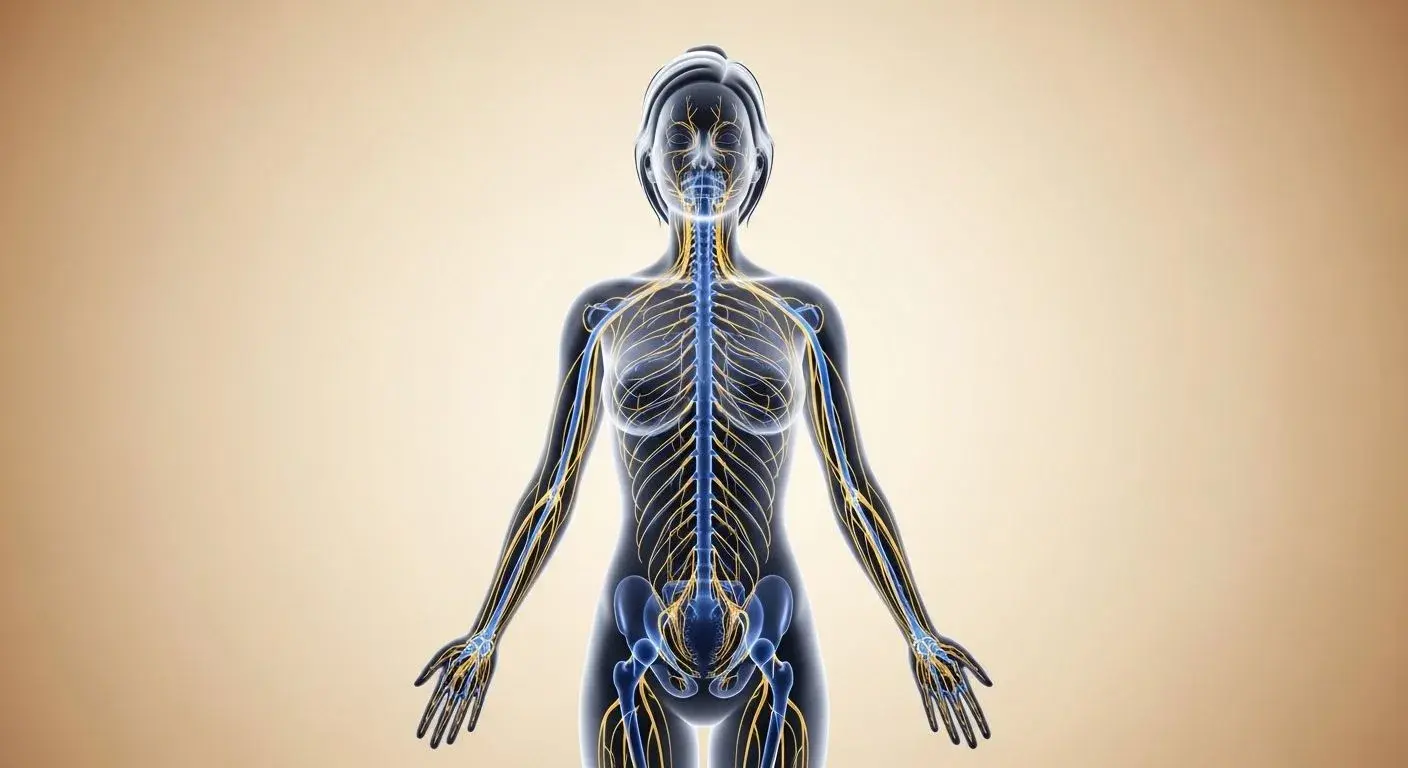
Oestrogen is neuroprotective. It supports myelin sheath integrity (the insulating layer around nerve fibres), promotes nerve growth factor (NGF) production, and has anti-inflammatory effects on peripheral nerve tissue. When oestrogen declines, these protective mechanisms weaken. The result can be heightened nerve sensitivity, dysesthesias (abnormal skin sensations), or a formal peripheral neuropathy — particularly in women who already have other risk factors such as prediabetes, thyroid disease, or nutritional deficiencies.
Importantly, menopause neuropathy is distinct from classic diabetic peripheral neuropathy, though they share overlapping mechanisms. Menopausal nerve symptoms are often:
- Migratory — moving between hands, feet, face, or scalp rather than following a fixed nerve distribution
- Fluctuating — worse in the week before a period, or during periods of high stress, when oestrogen dips most sharply
- Accompanied by other hormonal symptoms — hot flushes, joint pain, skin changes, or brain fog
The skin and scalp are also frequently involved. Sensory nerve changes during hormonal decline are behind conditions like itchy scalp during menopause and itchy ears during menopause — symptoms that appear disconnected but share the same neuropathic root.
Can HRT Help Peripheral Neuropathy? What the Evidence Shows
The question of whether HRT can help peripheral neuropathy does not yet have a definitive clinical trial answer — but the mechanistic and observational evidence is promising, particularly for women whose neuropathy is clearly hormonally driven.
What current evidence suggests:
- Oestrogen replacement may reduce neuropathic sensitivity: Small studies and case series report that women with dysesthesias and menopausal nerve symptoms see improvement with oestradiol therapy, particularly transdermal forms, which maintain steadier hormone levels than oral routes.
- Timing matters (the 'window of opportunity'): Neuroprotective oestrogen effects are most robust when HRT is started close to menopause onset. Starting HRT years after menopause may provide less neurological benefit, though symptom relief is still possible.
- HRT does not reverse established structural neuropathy: If peripheral neuropathy has been present for years and a nerve conduction study shows measurable damage, HRT alone is unlikely to fully restore function. This is the critical limitation most guides do not acknowledge clearly enough.
A common misconception is that tingling and numbness during menopause must be investigated as a serious neurological condition before hormonal causes are considered. In practice, if these symptoms emerged at perimenopause, fluctuate with the cycle, and are accompanied by other vasomotor or hormonal symptoms, a trial of HRT is a clinically reasonable first step — not something reserved for after neurology referral.
What Else Helps Menopause-Related Nerve Symptoms
For women who cannot take HRT, or whose nerve symptoms persist despite it, these approaches target the underlying contributors to neuropathic sensitivity during hormonal transition:
- Rule out nutritional deficiencies first: Vitamin B12, folate, and vitamin D deficiencies all independently cause peripheral neuropathy symptoms. These are more common post-menopause due to reduced absorption efficiency and are frequently missed when hormones are blamed.
- Alpha-lipoic acid (ALA): An antioxidant with the strongest evidence base among non-hormonal supplements for reducing peripheral neuropathy symptoms, including burning and tingling. Doses studied range from 300–600mg daily.
- Blood glucose management: Insulin resistance increases during perimenopause due to declining oestrogen. Even sub-diabetic glucose fluctuations can worsen neuropathic sensitivity. A low-glycaemic diet and resistance training both reduce this risk.
- Topical treatments for localised symptoms: Low-dose topical capsaicin or lidocaine preparations can reduce localised burning sensations in hands or feet without systemic effects — useful for women who need targeted relief.
The edge case worth knowing: some women report that their neuropathy symptoms temporarily worsen in the first few weeks of starting HRT as oestrogen levels fluctuate before stabilising. This does not mean HRT is the wrong choice — it is a known adjustment phase. Persisting for 8–12 weeks before drawing conclusions is generally recommended, unless symptoms are severe.