
Understanding Why Menopause Causes Relentless Itching
Menopause itching isn't just dry skin—it's a systemic response to estrogen withdrawal that affects your skin's structural integrity. Estrogen directly regulates skin hydration, collagen production, and oil secretion. When levels drop during perimenopause and menopause, your skin loses up to 30% of its collagen in the first five years, while oil gland activity decreases by 40-60%. This creates a perfect storm: thinner skin with compromised barrier function that can't retain moisture.
The itching mechanism involves more than surface dryness. Estrogen loss triggers inflammatory pathways that make nerve endings hypersensitive, causing perimenopausal pruritus—the medical term for hormone-related itching. Your brain receives itch signals from skin that looks normal but feels unbearable. This explains why standard moisturizers often fail—they address surface dryness without calming the neurological hypersensitivity driving the sensation. The condition affects 30-50% of menopausal women, though many don't connect itching to hormonal changes.
Location matters significantly. While generalized itching affects arms, legs, and torso, genital and vulvar itching during menopause stems from vaginal atrophy—thinning tissue with reduced lubrication that becomes easily irritated. Nighttime itching intensifies because core body temperature rises during hot flashes, increasing blood flow to skin and amplifying itch perception. Understanding these mechanisms helps explain why your dermatologist's standard eczema treatments may not resolve menopausal itching. Learn more about comprehensive skin changes in our guide to menopausal skin care.
Common Myths vs. What Actually Stops the Itching
Myth: Heavy Moisturizers Solve Menopausal Itching
The assumption that thicker creams equal better itch relief fails because menopause itching involves nerve hypersensitivity, not just dehydration. Rich, occlusive moisturizers can actually worsen itching by trapping heat and triggering histamine release in already-sensitive skin. Many women report applying increasingly thick body butters with zero improvement or even intensified nighttime scratching.
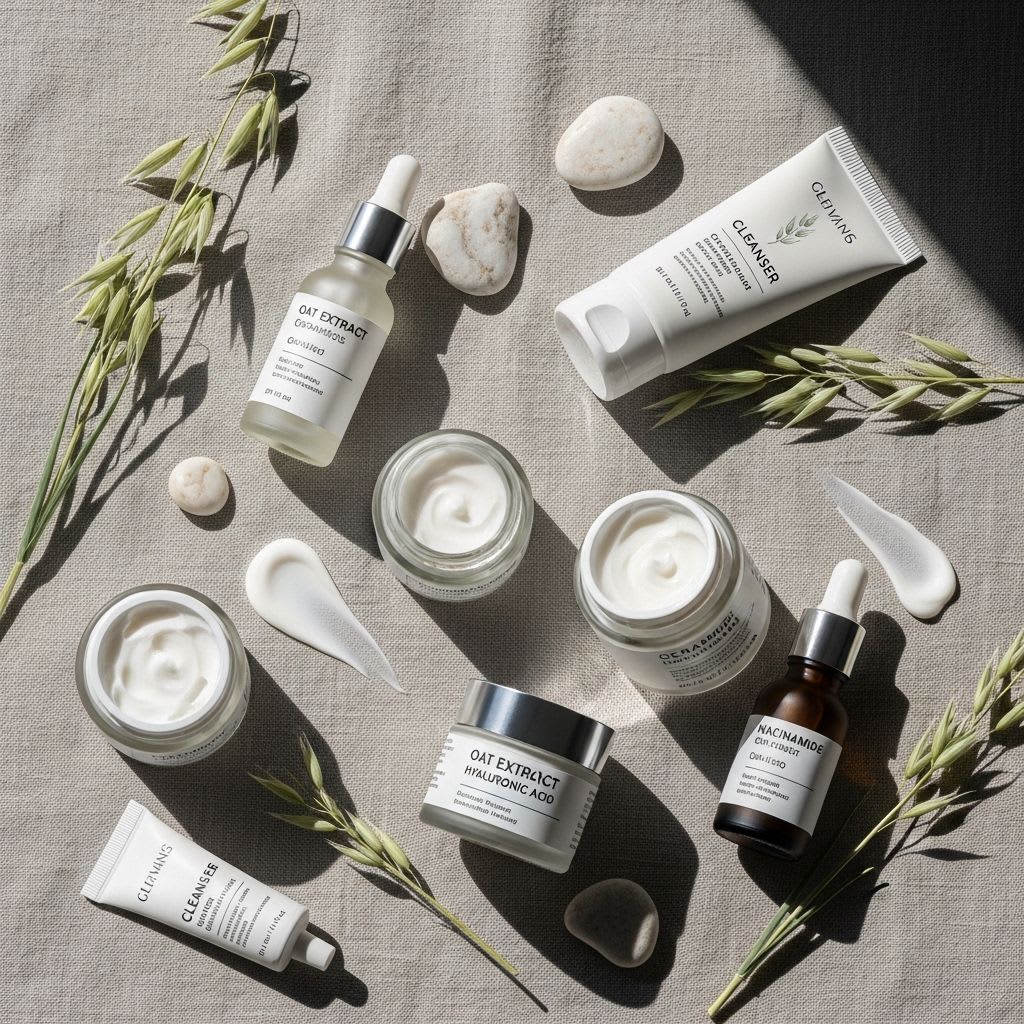
What works: barrier-repair formulations containing ceramides, niacinamide, and colloidal oatmeal that calm inflammation while restoring skin structure. These ingredients reduce itch signaling at the nerve level rather than just coating the surface. Apply to damp skin immediately after lukewarm showers—never hot water, which strips remaining natural oils. For genital itching, use vaginal moisturizers specifically formulated for mucosal tissue, not standard body lotions that contain irritating fragrances and preservatives.
Myth: Antihistamines Are First-Line Treatment
Doctors often prescribe antihistamines for menopausal itching, assuming an allergic mechanism. However, perimenopausal pruritus isn't primarily histamine-driven—it's neurogenic itching from estrogen withdrawal affecting nerve function. Standard antihistamines like Benadryl provide minimal relief because they target the wrong pathway. Additionally, they cause drowsiness and dry mouth, which many menopausal women already experience.
The evidence-based approach: topical treatments work better than oral antihistamines for localized menopause itching. Prescription-strength steroid creams reduce inflammation quickly but require careful use (no more than 2 weeks continuously to avoid skin thinning). For generalized itching, some women find relief with gabapentin or low-dose antidepressants that modulate nerve signaling—these address the actual mechanism. However, these require medical supervision and trial periods to assess effectiveness. The contradiction: pharmaceutical solutions often have side effects that compound other menopause symptoms, making topical barrier repair the safer first approach.
Myth: Menopause Itching Resolves After Periods Stop
Many women expect itching to disappear once menopause is established, but the timeline varies unpredictably. Some experience worsening itching 2-3 years post-menopause as collagen loss accelerates. Others find relief only after starting hormone replacement therapy. The duration depends on individual skin resilience, genetics, and whether you actively treat skin barrier damage or allow it to compound.
Reality: untreated menopause itching rarely resolves spontaneously because the underlying structural changes persist. Skin doesn't regain lost collagen or oil production without intervention. This means proactive treatment starting in perimenopause prevents chronic issues better than waiting for symptoms to peak. For persistent cases, exploring ear-specific itching may reveal additional factors—see our guide to treating itchy ears during menopause.
Practical Strategies to Stop Menopause Itching
Immediate Relief: The Cool-Compress Protocol
When itching becomes unbearable, scratching creates micro-tears that worsen inflammation and invite infection. The immediate intervention: apply cool (not ice-cold) compresses for 10-15 minutes. Cold temporarily numbs itch receptors and constricts blood vessels, reducing inflammatory mediator release. For nighttime itching, keep damp washcloths in the refrigerator and apply before bed. This simple technique stops the itch-scratch cycle without medication.
Follow compresses immediately with barrier-repair moisturizer to trap remaining moisture. For vulvar and clitoral itching, use ice packs wrapped in soft cloth for 5-minute intervals—never apply directly. Keep cotton underwear in the freezer for instant cooling relief during severe episodes. These physical interventions work when topical products alone fail, especially during the adjustment period while rebuilding skin barrier function.
Environmental Modifications That Actually Matter
Bedroom humidity below 40% accelerates moisture loss from already-compromised menopausal skin, intensifying nighttime itching. Use a humidifier to maintain 45-55% humidity, particularly during winter heating season. However, avoid exceeding 60%—excess humidity promotes dust mites and mold that trigger allergic itching, creating confusion about whether hormones or allergens cause symptoms.
Fabric choices significantly impact itch intensity. Wool, synthetic blends, and tight clothing create friction that menopausal skin can't tolerate. Switch to 100% cotton or bamboo fabrics for direct skin contact, especially underwear and sheets. Wash new clothing before wearing—manufacturing chemicals and fabric sizing compounds irritate sensitive skin. Use fragrance-free, dye-free detergents and skip fabric softener entirely, as residues accumulate on fabrics and transfer to skin throughout the day.
When Standard Advice Fails: Prescription Options
Some women experience itching so severe that barrier repair and environmental changes provide inadequate relief. This represents an edge case where hormone replacement therapy (HRT) may be necessary. Systemic estrogen restores collagen production, increases natural oil secretion, and normalizes nerve sensitivity—addressing root causes rather than symptoms. Studies show 60-80% of women with severe perimenopausal pruritus achieve complete resolution within 3 months of starting HRT.
The limitation: HRT carries risks that require individualized assessment with your physician. For women who cannot take systemic hormones, topical estrogen creams applied to affected areas (including vulvar tissue) provide localized benefits without significant systemic absorption. The honest trade-off: prescription treatments work faster and more completely than natural approaches, but require medical monitoring and may have side effects. For itching localized to specific areas beyond general skin, targeted interventions may work better than systemic solutions.