The Science Behind Menopause Sensitive Skin
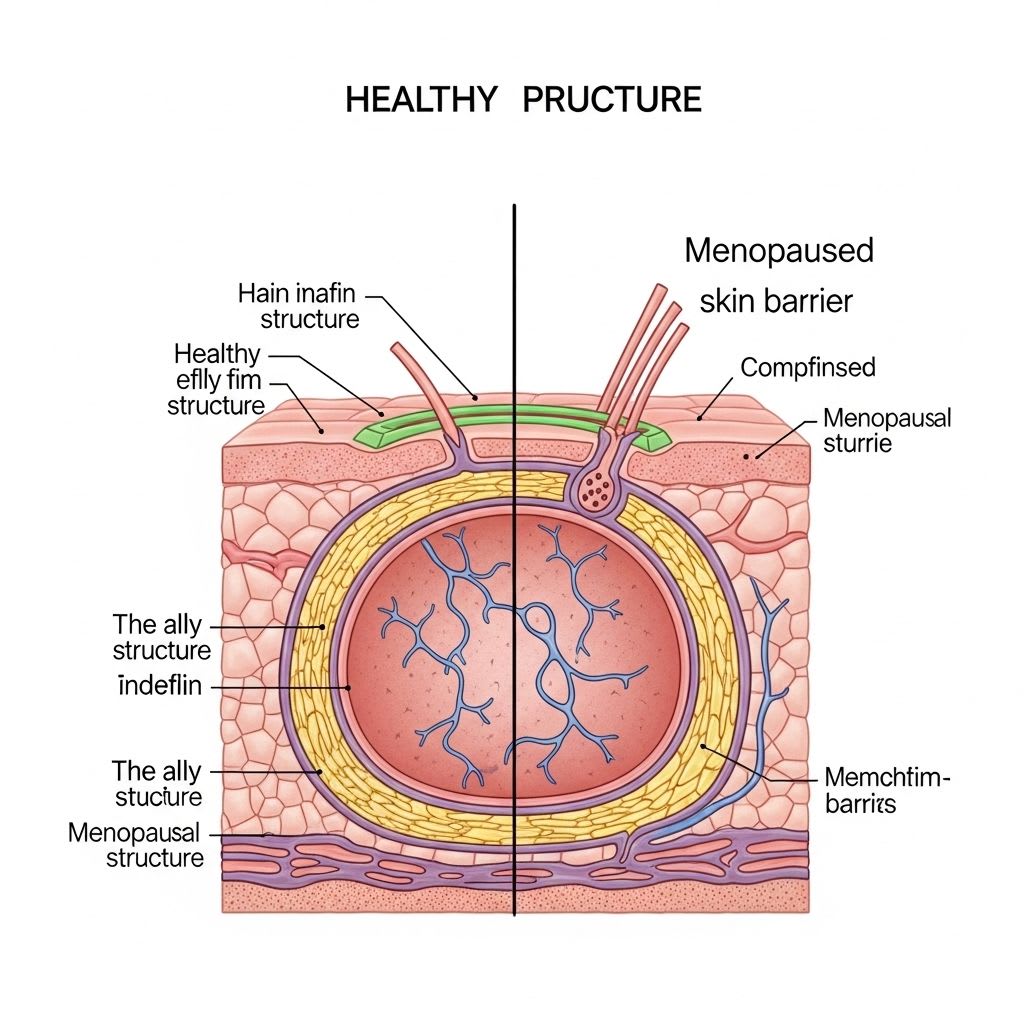
The development of menopause sensitive skin isn't sudden onset—it's the culmination of progressive structural changes that accelerate dramatically when estrogen declines. Estrogen regulates at least three critical skin functions: ceramide synthesis in the stratum corneum, filaggrin production for barrier integrity, and antimicrobial peptide secretion for immune defense. When estrogen drops, all three systems weaken simultaneously. This creates skin that reacts to products you've used for years, becomes irritated by weather changes, and develops unexplained rashes from previously tolerated fabrics.
Research quantifies the barrier disruption: transepidermal water loss increases by 25-40% during the menopausal transition, while skin surface pH rises from the protective acidic range (4.5-5.5) toward neutral (6.0-6.5). This pH shift compromises the acid mantle that normally deactivates allergens and irritants before they penetrate deeper layers. The clinical result is a lower threshold for irritant contact dermatitis—meaning substances that cause zero reaction in 30% of the population now trigger inflammation in your compromised barrier. This explains the sudden sensitivity to preservatives, fragrances, and even supposedly gentle ingredients like essential oils.
The connection to sagging skin on legs after menopause involves a parallel degradation process. Estrogen directly stimulates fibroblasts to produce collagen and elastin—the structural proteins that maintain skin firmness. Studies show collagen content decreases by approximately 30% in the first five years after menopause, with the steepest decline in the first two years. Leg skin is particularly vulnerable because it has fewer sebaceous glands and already experiences compromised circulation compared to facial skin. The result is visible crepiness, loss of rebound, and sagging that differs from age-related laxity in texture and distribution. For comprehensive hormonal skin adaptation, see our guide to menopause skincare for hormonal changes.
Myths That Delay Effective Treatment
Myth 1: Sensitive Skin Needs Minimal Ingredients
The counterintuitive truth about menopause sensitive skin: it often needs more active ingredients, not fewer. The minimalist skincare trend assumes sensitivity comes from ingredient overload, but menopausal sensitivity stems from barrier deficiency. Your skin needs ceramides, cholesterol, fatty acids, niacinamide, and peptides to rebuild what estrogen loss depleted. The mistake is avoiding actives entirely rather than choosing non-irritating delivery systems. What works: encapsulated retinol, liposomal vitamin C, and time-released peptides deliver efficacy without the inflammation that standard formulations cause.
Myth 2: Leg Sagging Is Purely Cosmetic
What beginners misunderstand: sagging skin on legs after menopause isn't just aesthetic—it indicates compromised structural integrity that affects wound healing, temperature regulation, and infection resistance. Thin, lax skin on legs tears more easily from minor trauma, heals slower due to reduced collagen synthesis, and provides less protection against environmental pathogens. The medical implications mean treating leg skin quality isn't vanity; it's preventive healthcare. The trade-off is that effective treatments require consistency over months, which tests patience when results aren't immediately visible.
Myth 3: Topical Products Can't Reverse Collagen Loss
The contradiction between dermatological evidence and popular belief: while topical products cannot restore collagen to premenopausal levels, they can stimulate measurable increases in collagen production. Retinoids upregulate TGF-beta signaling pathways that activate fibroblasts. Peptides like Matrixyl (palmitoyl pentapeptide-4) have shown 30-40% increases in Type I collagen production in clinical studies. Vitamin C (L-ascorbic acid) serves as an essential cofactor for collagen synthesis enzymes. The limitation? These improvements represent slowing decline and modest rebuilding, not reversal to youth. Realistic expectations prevent disappointment while appreciating genuine improvements in skin texture and resilience.
Treatment Strategies That Actually Work
The most effective approach combines barrier restoration for sensitivity with collagen stimulation for structural improvement. These goals don't compete—a repaired barrier allows better penetration of collagen-boosting actives, while increased collagen production strengthens barrier foundation. What experienced practitioners prioritize is sequencing: restore barrier function first over 4-6 weeks before introducing stronger actives that address sagging.
Phase one focuses on sensitivity management through barrier repair:
- Gentle cleansing with pH-balanced formulas (4.5-5.5): Avoid sulfates, use cream or oil cleansers that don't foam. Foam indicates surfactants that strip the already-compromised lipid barrier. Cleanse only once daily unless truly necessary.
- Ceramide-dominant moisturizers (3:1:1 ceramide:cholesterol:fatty acid ratio): This mimics natural skin lipid composition. Apply twice daily to legs and sensitive areas. Products should list ceramides in the first five ingredients.
- Niacinamide 2-5% for barrier strengthening and inflammation control: Increases ceramide synthesis, reduces transepidermal water loss, and calms reactive responses. Well-tolerated even by severely sensitive skin.
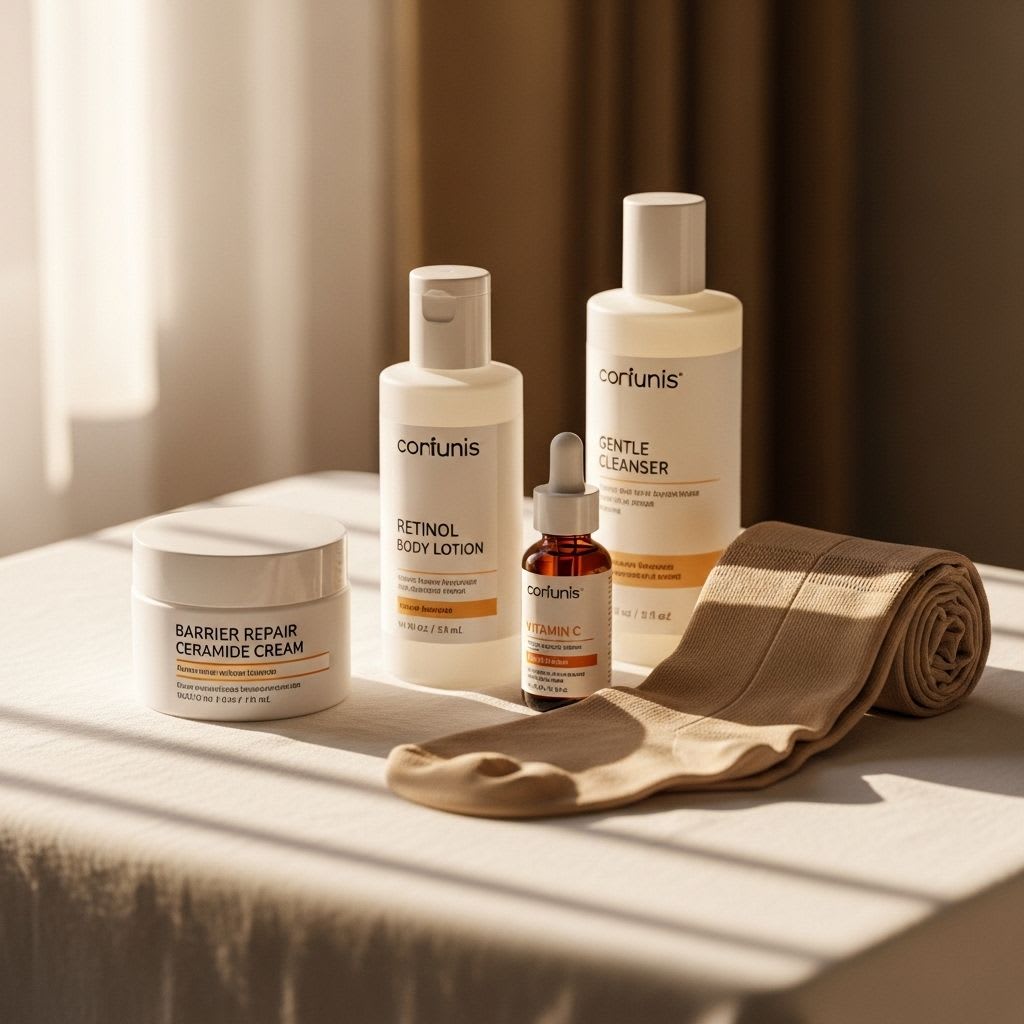
Phase two introduces collagen-stimulating actives once barrier is restored. For legs specifically, focus on body-appropriate concentrations and application methods. Use retinol 0.25-0.5% in body lotion form on legs 2-3 times weekly, increasing gradually to nightly if tolerated. Apply vitamin C serum in the morning before moisturizer—the LAA form (10-20% L-ascorbic acid) provides maximum collagen synthesis when properly formulated at pH 2.0-3.5. For detailed vitamin C protocols and realistic timelines, see vitamin C before and after results.
Complementary strategies include dry brushing before showering to stimulate circulation and lymphatic drainage in legs, followed immediately by moisturizer application to damp skin. Compression stockings worn during day can reduce fluid accumulation that exacerbates apparent sagging. Professional treatments like radiofrequency or microneedling provide stronger collagen induction every 4-6 weeks but require commitment to multiple sessions and aren't suitable during active barrier compromise.
When Standard Approaches Don't Work
Here's the edge case that derails typical recommendations: some women develop what appears to be menopause sensitive skin but is actually mast cell activation syndrome (MCAS) triggered by hormonal fluctuations. MCAS causes histamine release in response to multiple triggers—foods, temperature changes, stress, and yes, hormonal shifts. The distinction matters because MCAS requires antihistamine management and trigger avoidance, not just barrier repair. If your sensitivity seems disproportionate (reacting to water, air, or almost everything you try), if you experience flushing, hives, or systemic symptoms alongside skin reactions, or if antihistamines provide notable relief, request MCAS evaluation from an allergist or immunologist. The limitation is that most primary care and even dermatology don't routinely screen for this, meaning women spend years treating suspected menopause sensitivity when they need mast cell stabilization. Similarly, sudden dramatic leg sagging accompanied by swelling, pain, or skin temperature changes may indicate lymphedema or venous insufficiency requiring vascular evaluation, not cosmetic treatment.