
How Declining Estrogen Affects Your Nose and Sinuses
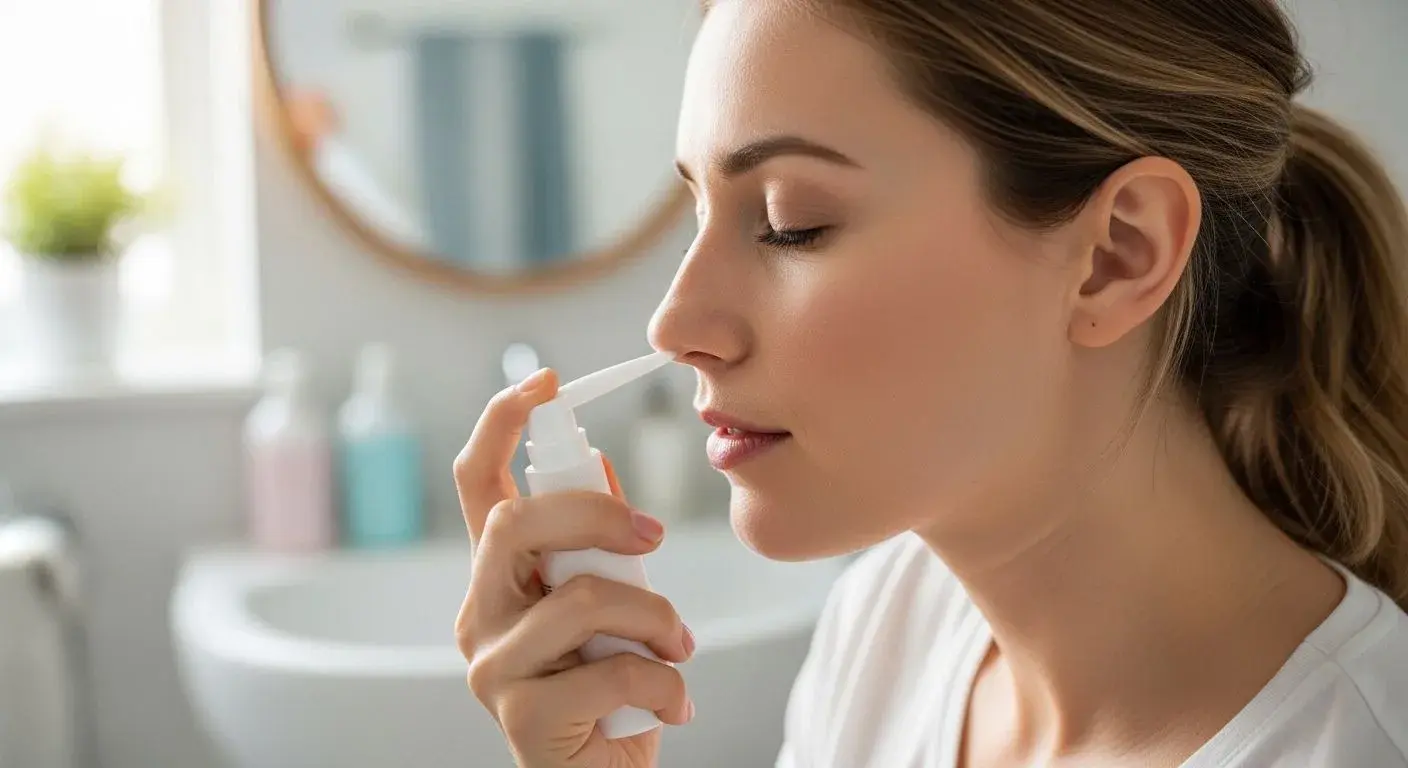
Nasal symptoms during menopause are rarely discussed, yet they affect a substantial number of women. The connection is direct: estrogen receptors are present throughout the nasal mucosa, and when estrogen declines, mucous membrane health deteriorates in ways that can cause dryness, irritation, and increased infection risk simultaneously. The paradox of dry and runny: Declining estrogen first causes the nasal lining to dry out and lose its protective mucus layer. In response, the body can overcompensate with watery, excess mucus production — resulting in a runny nose that actually signals underlying dryness. This same paradox occurs in the vagina during menopause and in the eyes.
The immune changes of perimenopause also increase susceptibility to sinus infections. Estrogen has immune-modulating properties, and its decline can increase nasal inflammation and reduce the mucus barrier that traps pathogens. Women who never experienced frequent sinus infections may find they become recurrent during the perimenopausal years. This itching and sensitivity pattern parallels other unusual sensory changes in menopause — our article on menopause itchy ears covers the same mechanism in a different location.
Misconceptions and Where Treatment Often Misses the Point
Misconception 1: Sinus symptoms in midlife are always allergy-related. Many women in perimenopause are tested for allergies after developing nasal symptoms and return negative results. Hormonal rhinitis — nasal inflammation driven by hormone changes rather than allergens — is a distinct and under-recognised condition.
Misconception 2: Antihistamines will fix a runny nose during menopause. If the runny nose is a compensatory response to nasal dryness, antihistamines can actually worsen the dryness and increase sinus infection risk by further drying the mucosa.
Where standard treatment fails: Repeated antibiotic courses for recurrent sinus infections without addressing the underlying hormonal cause creates a cycle of short-term clearing followed by rapid reinfection. Supporting mucosal health and considering HRT is a more sustainable path for women whose sinus issues began or worsened in perimenopause. For related scalp and skin itching driven by the same mucous membrane changes, see our piece on menopause itchy scalp causes and relief.
Practical Relief for Menopause Nasal and Sinus Symptoms
- Saline nasal rinse: Daily saline irrigation (neti pot or rinse bottle) cleanses the nasal passages and rehydrates the mucosa. This is the most evidence-backed non-pharmaceutical option for hormonal rhinitis.
- Humidify your sleeping environment: Low indoor humidity accelerates nasal dryness, especially overnight. A bedroom humidifier set to 45-55% relative humidity noticeably reduces morning nasal symptoms.
- Vitamin C and zinc: Both support mucous membrane integrity and immune defence. Adequate zinc is particularly important given the immune shifts of perimenopause.
- Nasal moisturising gels: Over-the-counter nasal gels containing carboxymethylcellulose or sesame oil (Rhinomer, NasoGel) lubricate the nasal lining directly and are safe for long-term use.