
Why Menopause Belly Fat Is Different — and Why Calorie Cutting Alone Fails
Weight gain during perimenopause is one of the most frustrating experiences women describe — and one of the most mismanaged by standard dietary advice. The pattern is specific: weight accumulates viscerally (deep in the abdomen, around organs) rather than subcutaneously as it did in younger years. This shift is driven directly by falling oestrogen, which changes where and how fat is stored, not simply how much is consumed.
Caloric restriction without attention to protein and strength training accelerates the problem. Lower oestrogen increases muscle breakdown; inadequate protein means the body preferentially loses lean mass while preserving fat. Many UK women following NHS-style 'eat less, move more' guidance during perimenopause find themselves lighter on the scale but with a higher body fat percentage and worsened metabolic markers.
The most evidence-aligned approach combines a high-protein diet (1.2-1.6g per kg of body weight daily), resistance training at least twice weekly, and blood sugar regulation through reduced refined carbohydrates. This differs substantially from general weight-loss guidance and is rarely the first thing women are told. For help understanding how skin health shifts alongside these body composition changes, see menopause skin care for hormonal changes — the same oestrogen drop affects both.
Best Supplements for Menopause Weight Gain UK: What to Look For
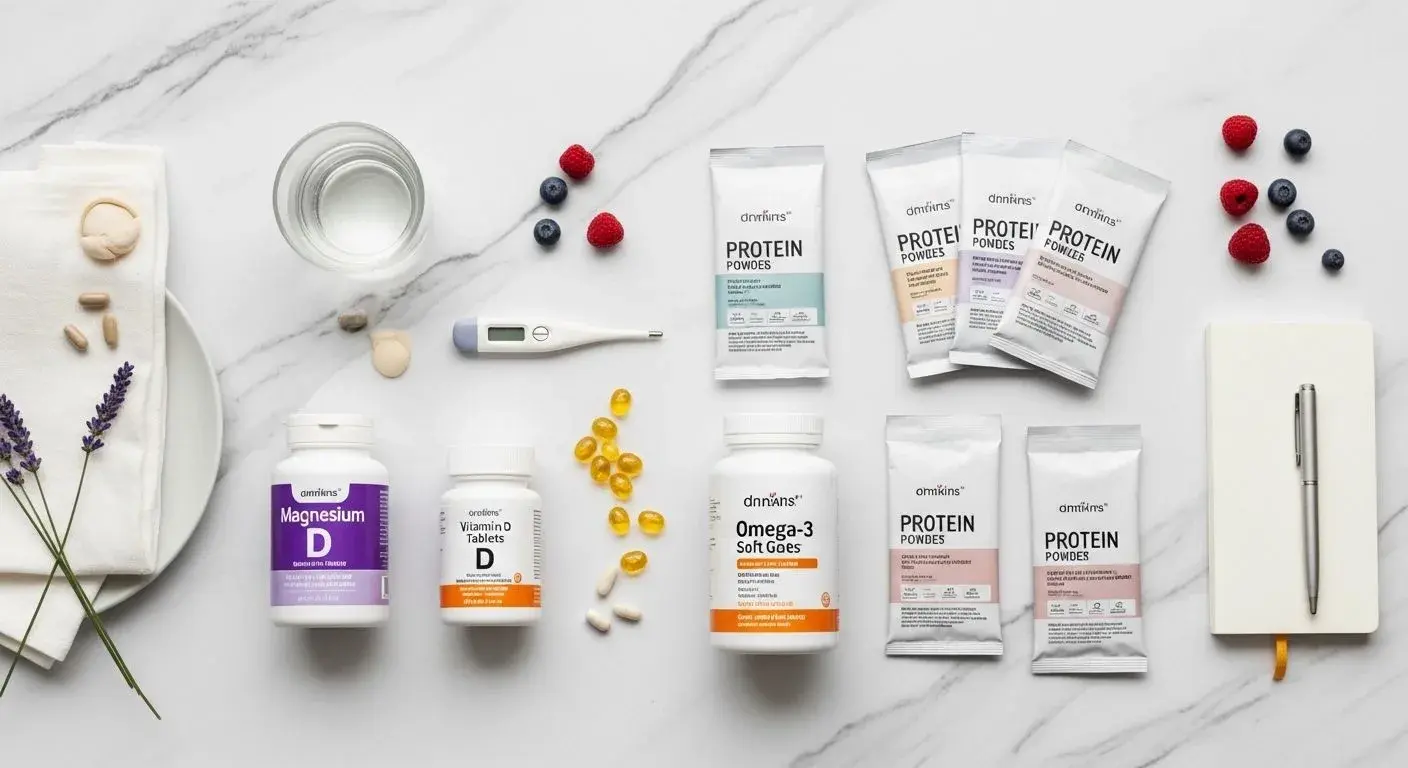
No supplement eliminates menopausal belly fat independently, but several have meaningful supporting evidence when combined with dietary change. The UK market has a wide range of quality options, though many products are overpriced and underdosed. Here is what the evidence actually supports:
- Inositol (myo-inositol, 2-4g daily): Improves insulin sensitivity and reduces the abdominal fat accumulation associated with insulin resistance, which worsens markedly during perimenopause. Available from most UK health retailers.
- Vitamin D3 with K2: The majority of UK women are deficient, particularly through winter. Vitamin D deficiency worsens fatigue and is associated with greater visceral fat deposition.
- Magnesium glycinate (300mg): Reduces cortisol-driven abdominal fat storage and improves sleep quality, both of which directly impact weight regulation.
- Omega-3 (EPA-dominant, 1-2g daily): Reduces systemic inflammation that drives insulin resistance, and supports the cellular signalling disrupted by oestrogen decline.
When choosing a product, look for third-party tested supplements (NSF, Informed Sport, or Soil Association certified where relevant) and check the elemental dose, not just the compound weight. Many budget UK brands list 400mg of magnesium oxide — a poorly absorbed form — when glycinate or malate would be far more effective at a lower dose.
Menopause Diet UK: Common Myths and What Actually Works Long-Term
The persistent myth that intermittent fasting is ideal for menopausal women is worth scrutinising. For some women, time-restricted eating reduces overall caloric intake without metabolic compromise. For others — particularly those with high cortisol or sleep disruption — skipping breakfast elevates cortisol further, increases muscle catabolism, and worsens afternoon cravings. The effectiveness of fasting during menopause is genuinely individual, and women who feel worse after 2 weeks should stop.
HRT remains the most clinically effective intervention for menopause-related body composition change in eligible women. Oestrogen therapy reduces visceral fat accumulation and improves insulin sensitivity in ways no supplement can replicate. Women avoiding HRT purely due to weight concerns may be making the opposite trade-off to what they intend.
For a complete picture of how your skin changes alongside these body composition shifts — and what products are genuinely worth investing in — see our guide to best skincare for menopausal skin. The same hormonal environment that drives belly fat also accelerates collagen loss and skin barrier thinning.