
Why Menopausal Hair Loss Is Different — and Why Hormones Aren't the Only Answer
Hair loss during menopause is driven primarily by declining oestrogen, which normally prolongs the hair growth phase. As oestrogen drops, androgens like DHT become relatively more dominant, causing follicles to miniaturise over time. This is known as female pattern hair loss (FPHL), and it affects up to 40% of women by the time they reach post-menopause. Many women understandably want to avoid HRT — whether due to medical contraindications, personal preference, or simply wanting to try targeted solutions first. The good news is that non hormonal hair loss treatments have a solid evidence base, particularly when started early and combined strategically.
One commonly missed contributor is scalp health. Inflammation, sebum buildup, and reduced microcirculation can all impair follicle function independently of hormone levels. This is why many women notice their hair loss worsens during periods of stress or poor sleep — cortisol further disrupts the hair cycle. Addressing the scalp environment is not a luxury step; it is foundational. For more on a related symptom that often goes hand-in-hand with thinning, see menopause itchy scalp: causes and relief.
The Most Effective Non Hormonal Treatments — and What the Evidence Actually Shows
Several non hormonal interventions have genuine clinical support. The key is understanding what each one targets, so you can combine them without overlap or waste.
- Minoxidil (topical): The most well-researched non hormonal option. The 2% and 5% formulations both extend the anagen (growth) phase and increase follicle size. Studies show meaningful regrowth in women with FPHL after 16–24 weeks of consistent use. The 5% foam formulation is now widely recommended for menopausal women due to faster results — though scalp irritation is more common at this strength.
- Low-Level Laser Therapy (LLLT): Devices like laser combs and caps deliver red light (typically 650nm) to stimulate follicle metabolism. Clinical trials show modest but consistent improvements in hair density after 16 weeks. Results are best when hair loss is diffuse rather than patterned.
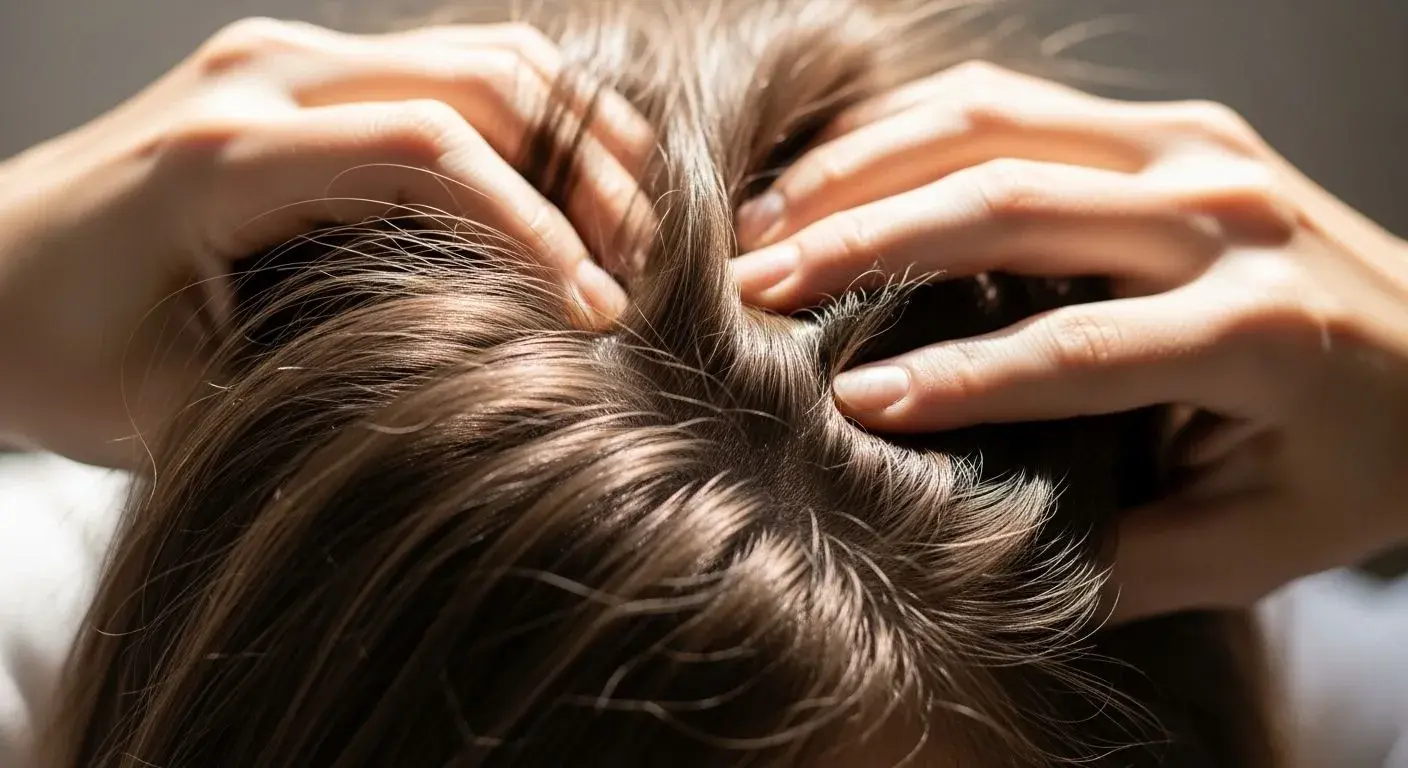
- Scalp massage (mechanical stimulation): A small but promising 2016 study found that standardised scalp massage (4 minutes daily) increased hair thickness over 24 weeks by stretching dermal papilla cells and improving follicle blood supply. This is low-risk, low-cost, and synergistic with other treatments.
- Nutritional correction: Iron deficiency (particularly ferritin below 40 ng/mL), low vitamin D, and zinc deficiency are all documented contributors to hair loss in perimenopausal women. These are worth testing before investing in topical treatments.
A common misconception is that supplements alone — especially biotin — are sufficient to reverse menopausal hair loss. Biotin only helps if you have a true deficiency, which is rare. Relying on it as a primary treatment delays interventions that actually move the needle.
When Non Hormonal Treatments Fall Short — and What to Adjust
Non hormonal treatments work well for many women, but there are scenarios where they plateau or underperform. The critical edge case: if hair loss is rapid, widespread, and accompanied by other symptoms (fatigue, weight changes, mood swings), thyroid dysfunction should be ruled out before attributing everything to menopause. Hypothyroidism causes a different pattern of hair loss and does not respond to minoxidil.
For women whose hair loss continues to progress despite 6+ months of non hormonal treatment, a dermatologist can assess whether a low-dose oral minoxidil (0.25–1mg) might be appropriate — this is still non-hormonal but requires medical oversight. Some women also explore anti-androgens like spironolactone, which sits in a middle ground: not a hormone itself, but it blocks androgen receptors.
Finally, it is worth noting the role that holistic menopause management plays in hair outcomes. Women who manage stress, sleep, and nutrition comprehensively tend to see better results from topical treatments than those who treat hair loss in isolation. Approaches like those explored in Davina McCall's menopause supplement approach highlight how lifestyle-level support can amplify targeted interventions. Always consult a healthcare professional before starting any new treatment for hair loss.