
Understanding Pure Mineral Makeup During Menopause
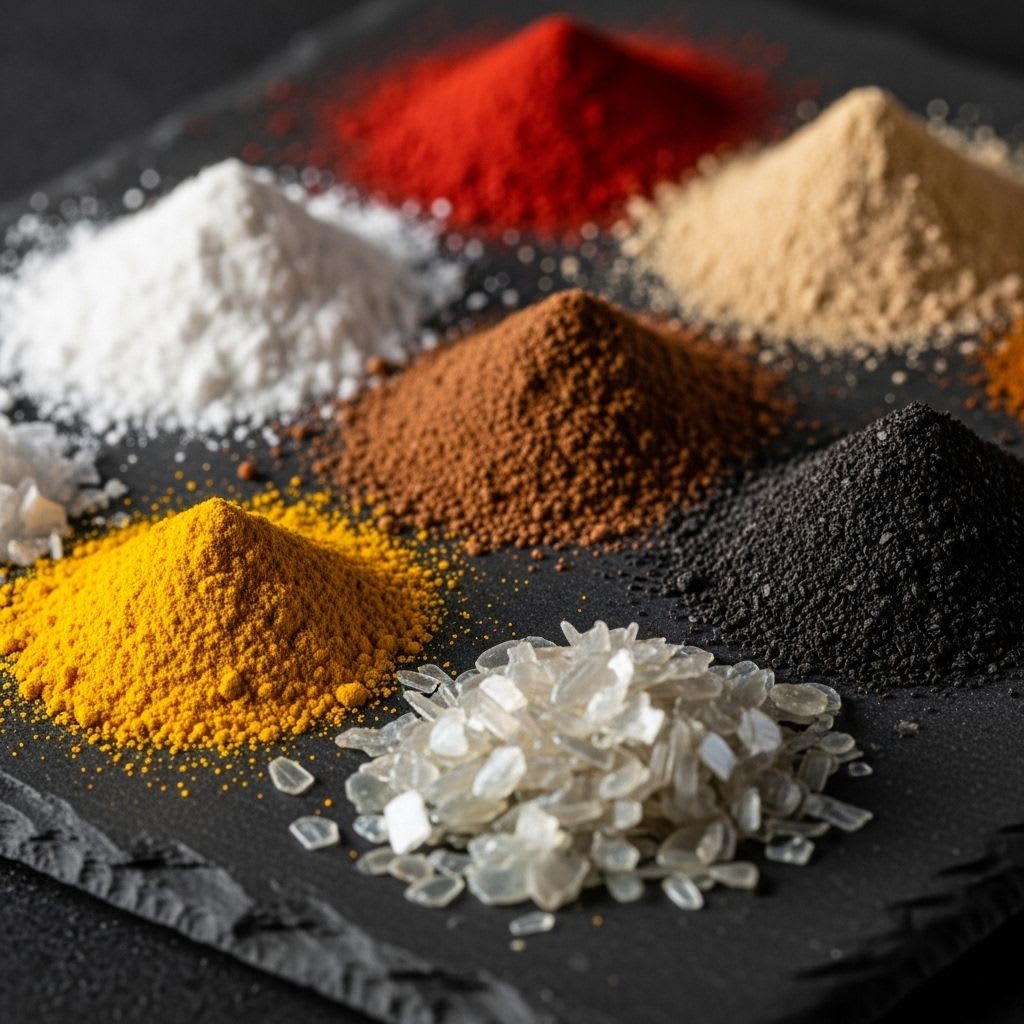
Pure mineral makeup contains only naturally derived mineral ingredients—typically zinc oxide, titanium dioxide, iron oxides, and mica—without synthetic dyes, fragrances, preservatives, or fillers. This distinction matters critically during menopause because hormonal changes increase skin sensitivity by compromising the protective barrier. Estrogen decline reduces ceramide production, making skin react to ingredients it previously tolerated without issue. Many women discover their trusted makeup suddenly causes redness, stinging, or breakouts during perimenopause—not because products changed, but because their skin's tolerance threshold dropped dramatically.
The science behind mineral makeup's gentleness lies in particle size and chemical inertness. Mineral pigments sit on the skin's surface providing coverage through light reflection rather than penetrating into compromised barrier layers. Synthetic colorants and chemical sunscreens in conventional makeup can migrate into irritated menopausal skin, triggering inflammatory responses. Zinc oxide and titanium dioxide offer natural sun protection while remaining biologically inactive—they don't interact with skin chemistry or hormones. This passive approach works better for reactive menopausal skin than active chemical ingredients.
However, a critical misconception exists: 'mineral makeup' on a label doesn't guarantee purity. Many brands add bismuth oxychloride (a synthetic filler causing irritation in 30% of users), synthetic fragrances, or parabens while still marketing products as 'mineral-based.' True pure mineral formulas contain fewer than seven ingredients, all clearly identifiable minerals. Understanding this distinction prevents disappointment when 'mineral' products still irritate sensitive menopausal skin. Learn more about choosing appropriate products in our complete makeup guide for changing skin.
Common Myths vs. What Actually Works with Mineral Formulas
Myth: All Mineral Makeup Looks Chalky and Provides Poor Coverage
Early mineral makeup formulas from the 1990s and 2000s did create a powdery, ashy appearance on deeper skin tones due to high titanium dioxide concentrations and limited shade ranges. This outdated reputation persists despite modern mineral formulas offering buildable medium coverage that rivals conventional foundations. The key difference: particle size technology has advanced dramatically. Micronized mineral pigments now blend seamlessly into skin rather than sitting visibly on the surface.
What actually works: Modern purely mineral foundations in cream or liquid form (minerals suspended in plant-based oils or aloe) provide fuller coverage than loose powder versions while maintaining ingredient purity. These formulations layer beautifully for spot concealing without the chalky buildup that plagued earlier products. For menopausal skin specifically, cream mineral foundations offer hydration alongside coverage—addressing the dual challenge of dryness and imperfections. The trade-off is shorter shelf life due to lack of synthetic preservatives, typically 12-18 months versus 3+ years for conventional makeup.
Myth: Mineral Makeup Causes Dryness on Menopausal Skin
This belief stems from loose powder mineral foundations, which do absorb moisture when applied to bare skin—problematic for already-dehydrated menopausal complexions. However, the dryness comes from application method, not mineral ingredients themselves. Zinc oxide and titanium dioxide are non-absorbent minerals that don't draw moisture from skin like talc or some synthetic fillers do. The issue is using powder formulas without adequate hydration underneath or choosing powder when cream formulas suit mature skin better.
The evidence-based approach: Apply mineral makeup over well-moisturized skin using the three-layer hydration method (serum, moisturizer, wait 10 minutes). Choose cream or liquid mineral formulas for dry areas like cheeks and forehead, reserving powder minerals only for genuinely oily zones if any exist. Interestingly, zinc oxide in mineral makeup provides anti-inflammatory benefits that actually soothe menopausal skin irritation—conventional makeup with synthetic ingredients offers no such therapeutic effect. Many dermatologists recommend pure mineral formulas specifically for rosacea and sensitivity that commonly emerge during hormonal transitions.
When Standard Mineral Makeup Advice Fails
The Mica Sensitivity That No One Mentions
While mineral makeup is marketed as universally gentle, 5-10% of women develop mica sensitivity during menopause even though they never reacted previously. Mica provides the luminous finish in mineral formulas, but its crystalline structure can irritate severely compromised skin barriers. Women experience persistent itching or burning specifically from mineral makeup while conventional formulas cause no reaction—the opposite of expected patterns. This creates confusion because dermatologists recommended switching to minerals for sensitivity.
The solution requires finding mica-free mineral makeup, which is genuinely difficult since mica provides essential properties most brands rely on. Look for formulas using alternative minerals like boron nitride for soft focus effects or accept completely matte finishes from mica-free options. This represents an honest limitation: purely mineral makeup isn't universally tolerated despite being cleaner. Some menopausal women achieve better results with carefully selected synthetic formulas free of common irritants (fragrance, certain preservatives) than with pure mineral products their skin specifically rejects.
Choosing Truly Pure Formulas: What Labels Won't Tell You
Identifying genuinely pure mineral makeup requires scrutinizing ingredient lists beyond front-label claims. True purely mineral products list only: zinc oxide, titanium dioxide, iron oxides (for color), mica (for luminosity), and possibly boron nitride. If you see dimethicone, phenoxyethanol, bismuth oxychloride, talc, synthetic dyes (FD&C or D&C numbers), or fragrance, the formula isn't purely mineral despite marketing. Bismuth oxychloride deserves special mention—it's technically mineral-derived but synthetically processed and causes irritation disproportionately compared to natural minerals.
The practical trade-off: purely mineral formulas typically lack the extended wear time, extensive shade ranges, and silky application of mineral-synthetic hybrid formulas. You're choosing skin tolerance over performance convenience. For menopausal women with significant sensitivity, this trade-off favors purity. For those with minimal reactivity, hybrid formulas offering mineral benefits plus synthetic performance enhancers may work better. There's no universal answer—individual skin response during your specific menopause stage determines the right balance. Explore suitable options in our guide to makeup brands for mature skin.
Additionally, purely mineral makeup requires different removal techniques than conventional formulas. Mineral pigments bond more stubbornly to skin oils, sometimes requiring oil-based cleansers or double cleansing to fully remove. Inadequate removal leaves mineral residue in pores overnight, potentially causing congestion despite the product's purity. This maintenance requirement adds time to evening routines—another honest consideration when choosing purely mineral formulas for daily wear during menopause.