
The Science Behind Self-Adjusting Foundation Technology
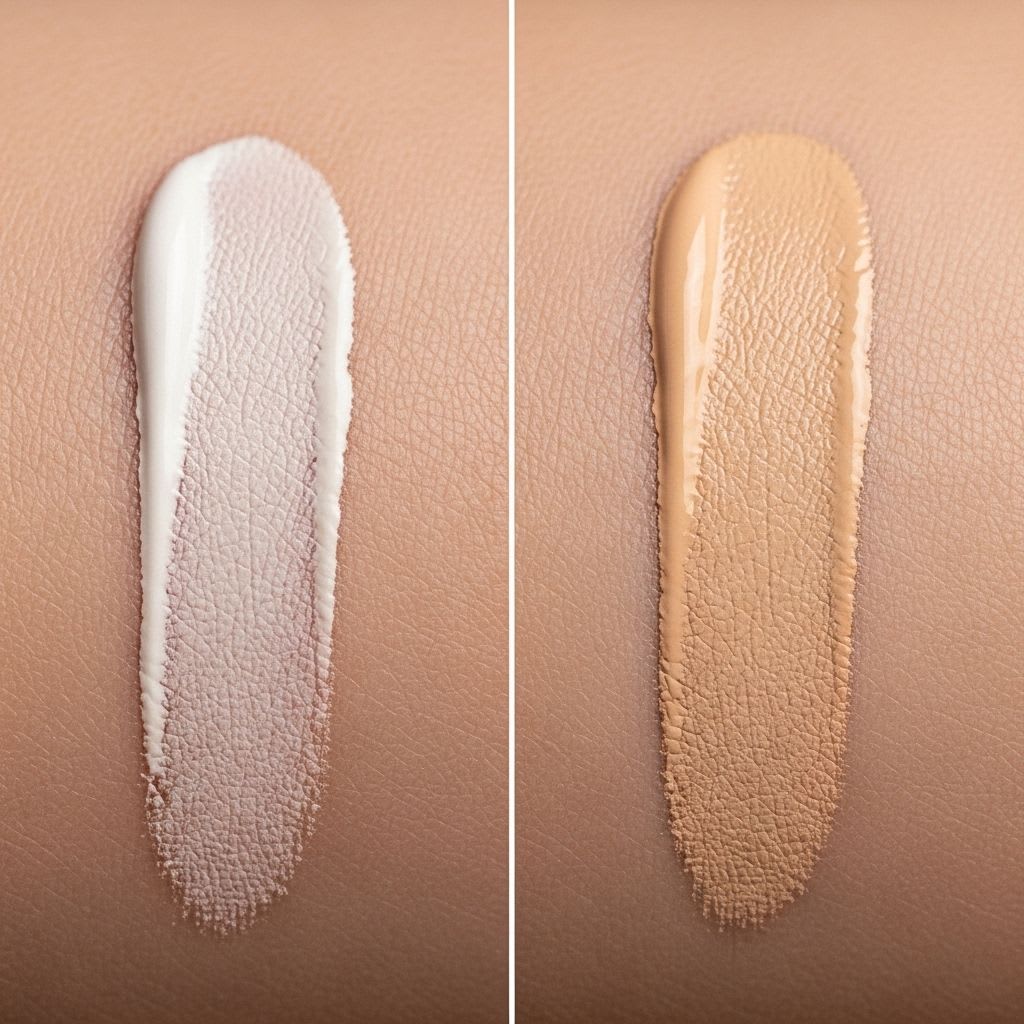
The promise of self-adjusting foundation sounds almost magical—one universal shade that somehow matches every skin tone perfectly. The actual mechanism is far more mundane and significantly more limited than marketing suggests. These formulas contain encapsulated pigments suspended in a white or beige base that react to your skin's pH and surface oils, oxidizing within 60-90 seconds to darken or warm to match your complexion. The technology genuinely works, but with critical limitations that become especially apparent on mature skin experiencing hormonal changes.
Here's what cosmetic chemists rarely emphasize: self-adjusting makeup foundation formulas can only shift within a narrow range—typically two to three shades at most. They're calibrated for average skin tones and fail completely on very fair or very deep complexions. For women over 50, this creates a specific problem that younger users don't face: menopausal skin often develops uneven pigmentation, with areas of hyperpigmentation around the mouth and eyes alongside lighter patches where collagen loss has occurred. A foundation that adjusts to match your cheek might be too light for melasma patches or too dark for areas around your nose.
The misconception that destroys results: believing self-adjusting means perfect match rather than close enough for most people. These foundations match undertone reasonably well but often miss the exact depth, leaving mature skin looking either slightly ashen or artificially tanned. Women with neutral undertones get the best results, while those with strong cool or warm undertones frequently find the adjusted color sits somewhere between their actual skin and what they need, creating a disconnect that's subtle but visible in natural light. The technology works best as a backup or travel foundation rather than your primary daily option if color precision matters to you.
Why Mature Skin Reacts Differently to Color-Adapting Formulas
The pH-reactive pigments in self-adjusting foundations require consistent skin chemistry to perform reliably. Mature skin undergoing hormonal changes experiences fluctuating pH levels throughout the day and across your menstrual cycle if you're perimenopausal. This means the same foundation might match perfectly on Monday and appear noticeably off by Wednesday—not because the product changed, but because your skin's chemistry shifted. Women using prescription retinoids or chemical exfoliants also experience more dramatic pH variations that interfere with the adjustment mechanism.
The oil-reactive component presents another age-specific challenge. Self-adjusting formulas need surface sebum to trigger full color development, but menopausal skin produces significantly less oil—sometimes 70% less than premenopausal skin. On very dry mature skin, these foundations may never fully activate, remaining lighter and more translucent than intended. Conversely, women experiencing hormonal oil surges may find the foundation over-adjusts, darkening beyond their actual skin tone in areas where sebum production increases. This unpredictability makes self-adjusting formulas particularly frustrating for the transitional hormone fluctuations common between ages 45 and 55.
When Self-Adjusting Foundation Actually Makes Sense
Despite the limitations, specific scenarios exist where self-adjusting formulas excel for mature skin. If you experience seasonal color changes—tanning slightly in summer despite sun protection, or developing sallowness in winter—a quality self-adjusting foundation can bridge the gap between your summer and winter shades without requiring two separate purchases. This works because the gradual, seasonal shifts in melanin production fall within the adjustment range these formulas can accommodate, unlike the unpredictable daily fluctuations of hormonal changes.
The texture and finish of modern self-adjusting foundations often suit mature skin better than their color-matching gimmick suggests. Most formulas use lightweight serum bases to allow the pigment capsules to move freely and react with skin chemistry. This creates the hydrating, flexible finish that ages well on skin with texture concerns—settling less into fine lines than traditional heavy-coverage foundations. Women who struggle finding the right shade but need lightweight formulas sometimes discover that a 90% color match in a perfectly textured foundation looks better than a 100% match in a formula that emphasizes wrinkles.
- Best for: Women with neutral undertones, minimal hyperpigmentation, and relatively stable hormone levels post-menopause
- Avoid if: You have significant melasma, very dry skin, strong cool/warm undertones, or are actively perimenopausal with fluctuating hormones
- Application tip: Wait full 90 seconds before adding more product—most application failures come from adding layers before pigments fully activate
- Reality check: Expect close match, not perfect match—plan to use concealer for any areas of significant color variation
The formulas work exceptionally well as mixing mediums for custom shade creation. If you own two traditional foundations that are slightly off—one too pink, one too yellow, or one summer-appropriate and one winter-appropriate—adding a self-adjusting formula to either can shift the undertone or depth enough to make both usable. This advanced technique gives you three usable shades from three products, with the self-adjusting foundation serving as a universal adjuster rather than a standalone solution. Professional makeup artists frequently use this approach when working with mature clients whose skin tone doesn't match standard shade ranges.
For a broader understanding of how foundation choices integrate with overall makeup strategies for hormonal skin changes, explore our complete menopause makeup guide that addresses foundation selection alongside complementary products for aging skin.
The Critical Failures Nobody Warns You About
The universal advice to apply self-adjusting foundation to bare skin fails spectacularly on mature skin that requires multiple prep layers. If you use primers to fill pores or smooth texture, sunscreen for UV protection, or hydrating serums to combat dryness, these products create barriers that prevent the foundation from making direct contact with your skin's pH and oils. The pigments literally cannot sense your skin chemistry through these layers, resulting in foundations that remain their original color or adjust incorrectly based on the pH of your skincare products rather than your skin itself.
The trade-off rarely discussed in reviews: self-adjusting technology prioritizes color-matching over longevity and coverage. The lightweight bases required for pigment mobility don't contain the film-formers and setting agents that make traditional foundations last 8-12 hours. Most self-adjusting formulas require reapplication or touch-ups by midday, particularly on mature skin producing minimal oil to help foundations adhere. For women who need long-wearing makeup for professional settings or special events, the convenience of one-shade-fits-all doesn't compensate for foundation that fades or separates before lunch.
The contradiction between marketing promises and dermatological reality: brands promote self-adjusting foundations as solutions for women who struggle with shade matching, but the very skin conditions that make shade matching difficult—significant hyperpigmentation, rosacea, melasma, post-inflammatory marks—are the same conditions where these foundations perform worst. The technology adjusts to an average of your overall skin tone, which means it matches the spaces between your concerns rather than concealing them. You end up needing just as much corrector and concealer as you would with a traditionally-matched foundation, eliminating the supposed simplicity advantage.
If you prioritize precise shade matching and full coverage over the convenience of self-adjusting technology, our guide to age-defying foundation formulas for menopausal skin provides strategies for finding your exact match in traditional foundation formats that offer more coverage and longevity options.