What Tinted Moisturizer Actually Does That Foundation Doesn't
The question can I use tinted moisturizer instead of foundation assumes these products serve the same function with different coverage levels—they don't. Tinted moisturizer is fundamentally a skincare product with added pigment, formulated to hydrate first and even tone second. Foundation is a cosmetic product engineered to provide coverage, with hydration as an optional secondary benefit. This distinction matters critically for mature skin experiencing hormonal dryness: tinted moisturizer delivers continuous moisture throughout the day while subtly neutralizing redness and evening tone, whereas foundation sits on the skin's surface creating a perfected canvas that may actually draw moisture out over time.
Understanding what tinted moisturizer does requires recognizing its three-part mechanism. First, it functions as a traditional moisturizer with humectants like glycerin or hyaluronic acid that bind water to your skin. Second, it contains mineral pigments or iron oxides that neutralize uneven tone without masking your natural skin texture. Third, most formulas include light-reflecting particles that create a subtle luminosity, making skin appear more youthful without the obvious sheen of highlighter. What it doesn't do: cover blemishes, hide hyperpigmentation, or erase signs of fatigue the way full-coverage foundation does.
The answer to is tinted moisturizer makeup depends on your definition. Technically, it's a hybrid product—regulated as a cosmetic if it makes coverage claims, but formulated with skincare concentrations of active ingredients. For women over 40 dealing with thinning skin and moisture loss, this hybrid nature becomes an advantage. You're not choosing between skincare and makeup; you're applying a single product that serves both functions adequately for low-coverage needs. The trade-off: you sacrifice the flawless, airbrushed finish that foundation provides in exchange for a more natural appearance that won't settle into fine lines or require touch-ups.
The Coverage Spectrum Nobody Explains Clearly
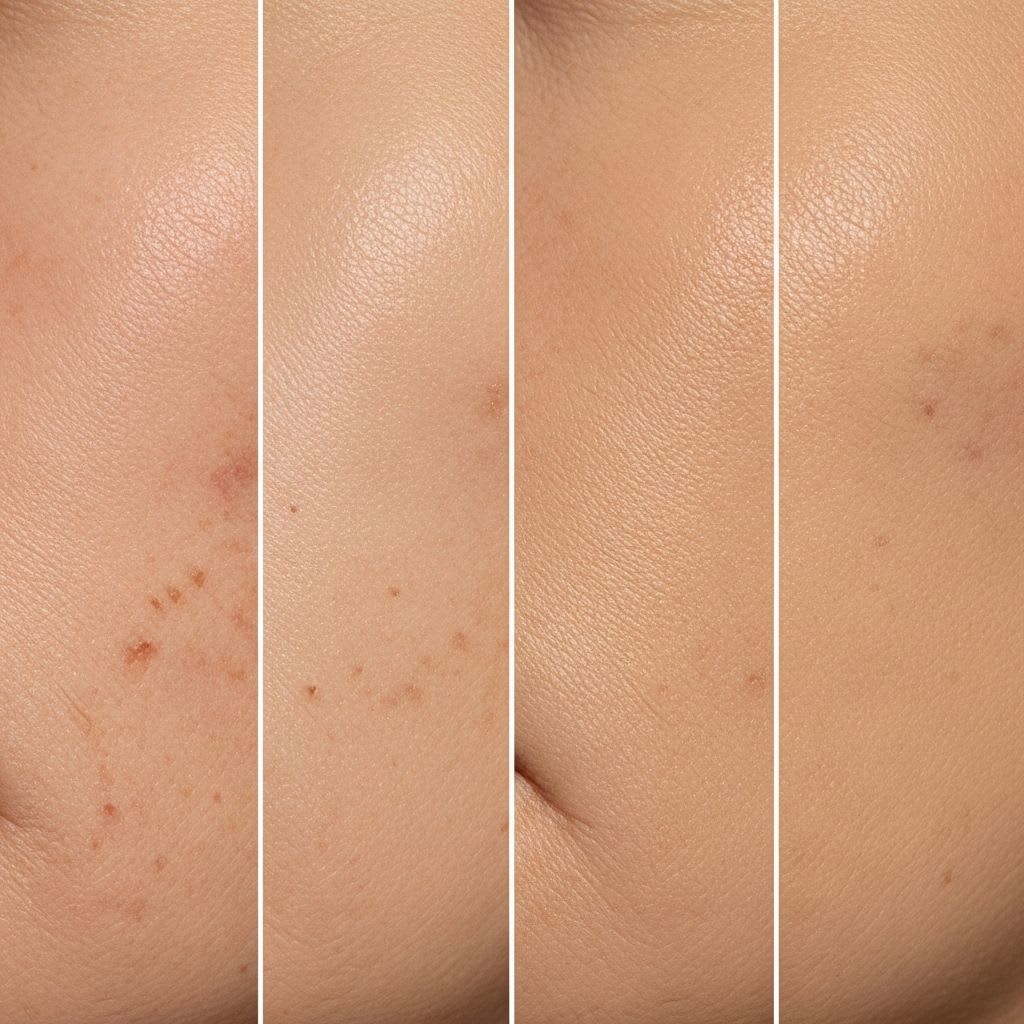
When considering tinted moisturizer or foundation, most advice oversimplifies into sheer versus full coverage. The reality involves a spectrum of visible imperfections that each product handles differently. Tinted moisturizer excels at evening general redness, subtle discoloration, and the overall dullness that comes with declining estrogen levels. It completely fails at covering age spots, broken capillaries, post-inflammatory hyperpigmentation, or any discrete imperfection with defined edges. Foundation, particularly medium-to-full coverage formulas, effectively conceals all of these concerns but requires more skill to apply naturally on textured mature skin.
Looking at tinted moisturizer before and after comparisons reveals what the product genuinely achieves: skin that looks like a slightly better, more even-toned version of itself rather than transformed skin. The before shows visible texture, pores, and some redness; the after shows the same texture and pores but with neutralized redness and a subtle glow. This differs dramatically from foundation before-and-after images where skin texture appears minimized and imperfections vanish. For mature women who've developed a more accepting relationship with their natural appearance, tinted moisturizer's subtle enhancement often feels more authentic than foundation's dramatic transformation.
When to Choose Each Product Based on Your Actual Day
The decision about tinted moisturizer instead of foundation should be driven by your specific circumstances rather than a blanket rule. Tinted moisturizer makes sense for low-stakes daily activities where you want to look polished without appearing made-up: grocery shopping, casual lunches, working from home on video calls, outdoor activities where heavy makeup would feel uncomfortable. It's ideal for hot weather when foundation slides off or exercise days when you want minimal coverage that won't clog pores during sweating. The formulation naturally suits situations where you're prioritizing skin health and comfort over perfected appearance.
Foundation remains necessary for situations requiring a more refined appearance or when you need specific imperfections covered. Professional settings where polished appearance impacts credibility, special events being photographed, evening occasions with artificial lighting that emphasizes skin imperfections, or any situation where you'll be closely scrutinized all benefit from foundation's transformative coverage. For what is tinted moisturizer used for in practical terms: it replaces both your morning moisturizer and light foundation, cutting your routine from two steps to one while providing adequate coverage for approximately 70% of daily situations.
- Choose tinted moisturizer when: You have minimal imperfections, prioritize natural appearance, need hydration, or want a fast routine
- Choose foundation when: You need to cover specific imperfections, want polished finish, require longevity, or face important situations
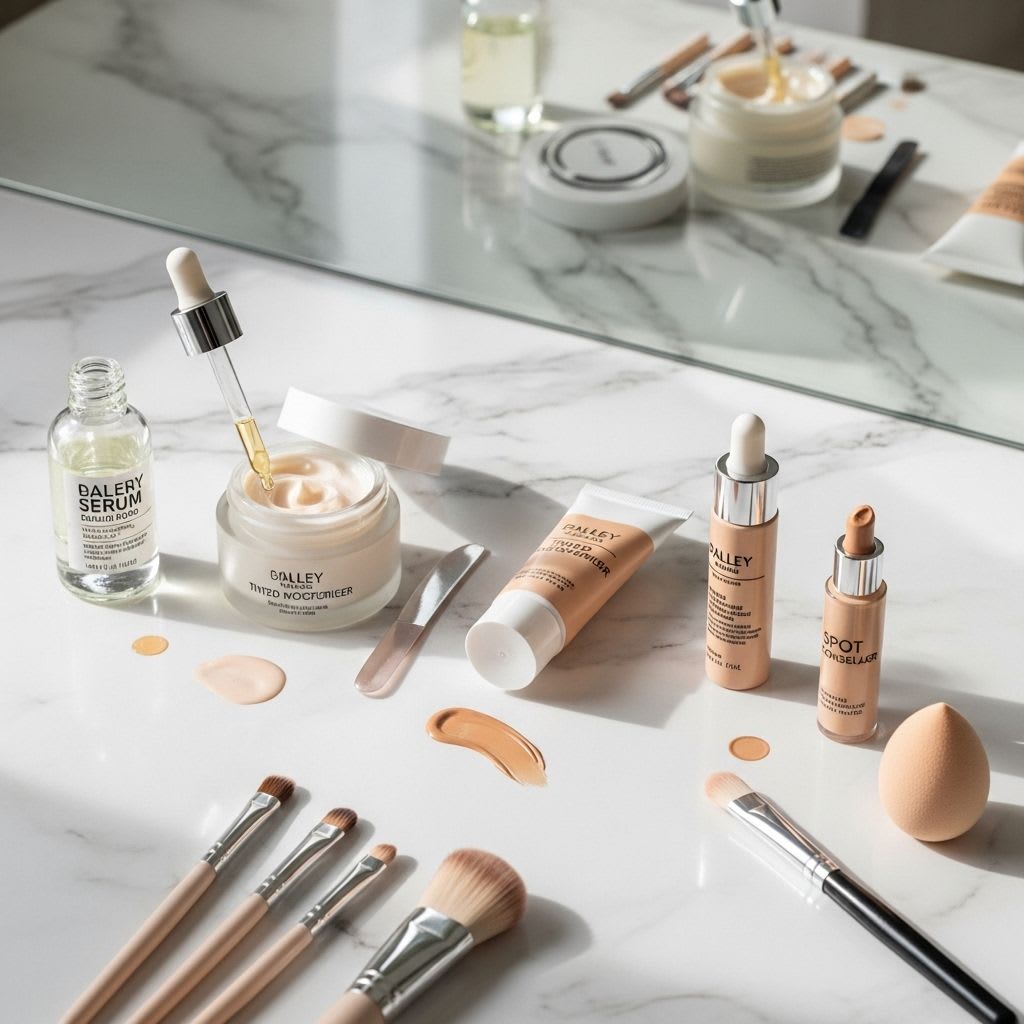
- Hybrid approach: Use tinted moisturizer as base with concealer on specific problem areas for natural coverage with strategic correction
- Seasonal consideration: Tinted moisturizer for humid summers when foundation slides; foundation for dry winters when you need staying power
The most sophisticated approach many women over 50 develop involves owning both and choosing strategically. Weekday mornings might mean tinted moisturizer for its speed and skin benefits, while weekend events call for foundation when you want refined results. This flexibility allows you to match your makeup commitment to your actual needs rather than maintaining one consistent look regardless of context. Understanding for what purpose is a tinted moisturizer most useful comes down to recognizing it as a maintenance product rather than a transformation product—it maintains good skin at a slightly elevated level rather than dramatically altering your appearance.
For comprehensive guidance on building a complete makeup routine that works with hormonal skin changes, including when to use various products for different effects, explore our complete menopause makeup guide that addresses every product category affected by aging.
When the Standard Tinted Moisturizer Recommendation Completely Backfires
The blanket advice that mature women should switch to tinted moisturizer for a more natural look fails catastrophically for the 40% of women over 50 dealing with significant hyperpigmentation, melasma, or rosacea. These conditions require actual coverage to achieve even-looking skin—tinted moisturizer's sheer finish leaves all of these highly visible, often making you look more washed out than wearing nothing at all. If you've tried tinted moisturizer based on age-appropriate beauty advice and felt disappointed by your reflection, you likely need targeted coverage rather than all-over sheerness.
Another scenario where conventional wisdom fails: women with very dry, flaking skin are often directed toward tinted moisturizer for its hydrating properties. However, most tinted moisturizers contain a percentage of mineral pigments that can actually emphasize flaking by clinging to dry patches. If your skin is actively peeling from retinoid use, extreme dryness, or eczema, tinted moisturizer will make the texture more visible than going bare-faced. You need to resolve the dryness first through intensive moisturizing treatment, then add coverage—or choose a serum foundation that doesn't contain the powder elements that cling to flakes.
The contradiction between marketing and reality: tinted moisturizers promoted as anti-aging or containing SPF rarely deliver on either promise adequately. The SPF protection requires applying 1/4 teaspoon to your face—far more than anyone applies of tinted moisturizer, meaning you're getting approximately SPF 8-12 instead of the advertised SPF 30. The anti-aging ingredients like peptides or retinol exist in concentrations too low to create actual change, serving more as marketing features than functional skincare. If you're serious about sun protection or anti-aging, these must be separate, dedicated products applied before your tinted moisturizer.
The most useful approach combines products strategically rather than relying on a single solution. Apply your treatment products and proper sunscreen first, then add tinted moisturizer for subtle evening of tone, then spot-conceal any remaining imperfections with a creamy concealer. This three-layer approach gives you the skin benefits, sun protection, natural finish, and coverage exactly where needed—something no single product achieves adequately. For product recommendations that work specifically for women over 40 dealing with multiple skin concerns, see our guide to best makeup brands and products for women in their 40s that addresses changing skin needs with specific solutions.