
Understanding Clinique's Foundation Philosophy for Mature Skin
The search for the best Clinique foundation for mature skin requires understanding what makes this brand distinct in the prestige beauty market. Clinique's dermatologist-developed approach prioritizes allergy-tested, fragrance-free formulations—a critical advantage for mature skin experiencing increased reactivity from declining barrier function. Unlike many department store brands that add botanical extracts or fragrances for luxury appeal, Clinique's clinical focus means their foundations contain fewer potential irritants, making them particularly suitable for post-menopausal skin showing heightened sensitivity.
The question is Clinique foundation water based or is Clinique foundation silicone based reveals crucial information for mature skin compatibility. The answer varies by formula: their Even Better Clinical Serum Foundation uses a water-based system with cyclopentasiloxane (a volatile silicone that evaporates), while Beyond Perfecting Foundation + Concealer employs a silicone-dominant base. This distinction matters because water-based formulas provide lighter coverage that moves naturally with aging skin, whereas silicone-based versions offer longer wear but can emphasize texture if skin is dehydrated.
What separates Clinique from other foundations marketed to mature women: their shade range accounts for the undertone shifts that occur with aging. As estrogen declines, skin often loses pink undertones and develops more yellow or sallow tones. Clinique's neutral-to-cool shade offerings address this specific change rather than assuming all mature skin needs warm tones. For broader context on foundation selection strategies, see our guide to age-defying foundation for menopausal skin.
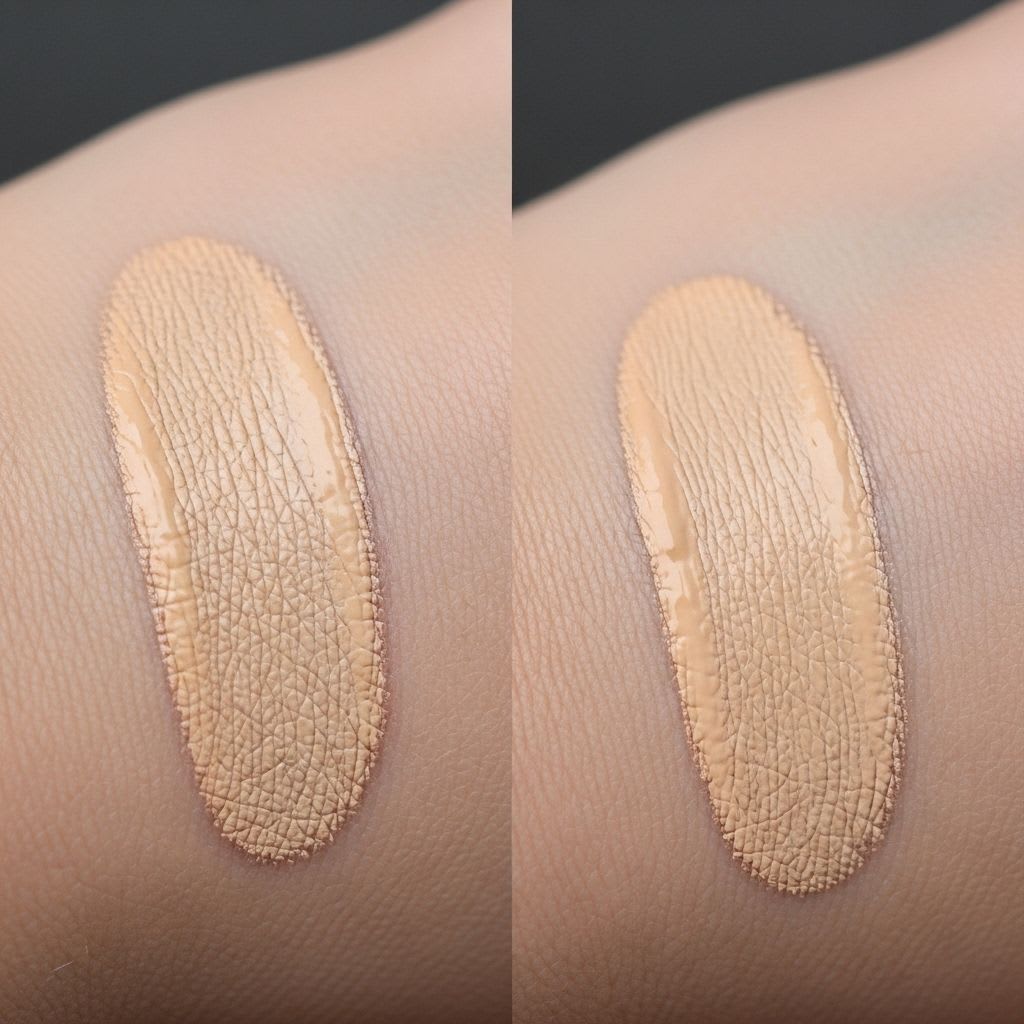
Clinique Foundation Reviews: What Actually Works for Aging Skin
Even Better Clinical Serum Foundation SPF 25
This consistently ranks as the top rated Clinique foundation for mature skin, and clinical testing explains why. The formula contains vitamin C and salicylic acid alongside coverage pigments, meaning it actively treats uneven tone and texture while concealing them. For mature skin experiencing post-inflammatory hyperpigmentation from hormonal changes, this dual-action approach provides cumulative benefits. The water-based system feels lightweight and allows skin to remain visible, creating a natural finish that photographs well. The trade-off? Coverage is genuinely light-to-medium, so those seeking full coverage for significant discoloration may feel disappointed initially, though consistent use improves underlying skin tone within 8-12 weeks.
Beyond Perfecting Foundation + Concealer
What experienced users report about this silicone-based formula: it provides the most coverage in Clinique's lineup and impressive 24-hour wear, but this comes with caveats for mature skin. The long-wear technology relies on film-forming polymers that can emphasize texture if skin isn't properly hydrated beforehand. Women in their 50s with combination skin often love this formula, while those over 65 with very dry skin find it settles into lines by midday. The key insight—this foundation requires a hydrating primer or mixing with facial oil to perform optimally on mature skin, unlike the serum foundation which works on bare skin.
Superbalanced Silk Makeup
Here's where Clinique foundation reviews often miss critical nuance: this formula is marketed for all skin types but performs inconsistently on mature skin. The silky texture comes from high silicone content, which creates beautiful initial application but can migrate on skin with enlarged pores or significant texture variation. What it does excel at: providing natural-looking coverage for mature skin still experiencing hormonal oil fluctuations during perimenopause. The oil-balancing technology prevents the midday shine that plagues some women in their late 40s and early 50s, though this same technology causes dryness on fully post-menopausal skin.
Choosing Your Clinique Foundation: The Decision Framework
The most effective approach to selecting the best Clinique foundation for your specific mature skin needs starts with honest assessment of your primary concern. If your skin shows significant hormonal changes—hot flashes causing redness, texture changes from collagen loss, new sensitivity to products—Even Better Clinical Serum Foundation addresses these issues through both immediate coverage and long-term treatment. Its lightweight feel prevents the mask-like appearance that heavy foundations create on thinning skin.
Application technique matters as much as formula selection:
- For water-based formulas like Even Better Clinical: Apply to well-moisturized skin using damp beauty sponge with stippling motions. The water content allows seamless blending and prevents disturbing dry patches. Wait 60 seconds between skincare and foundation application to prevent pilling.
- For silicone-based formulas like Beyond Perfecting: Mix one pump foundation with 1-2 drops of squalane or rosehip oil on the back of your hand before application. This customizes the formula for mature skin's hydration needs while maintaining the coverage benefits. Apply with brush or sponge using pressing motions, never dragging.
- Shade selection strategy: Test foundation on your jawline in natural light, not your hand or inner wrist. Mature skin often has different undertones on the face versus hands due to sun exposure patterns over decades. Choose the shade that disappears into your jawline rather than matching your hand.
For those prioritizing clean ingredient profiles alongside performance, understand that Clinique foundations, while fragrance-free and dermatologist-tested, still contain synthetic ingredients like dimethicone and polymers. If you're seeking truly clean formulations, explore our guide to non-toxic foundation options for menopausal skin. Clinique occupies a middle ground—safer than many prestige brands due to fragrance-free formulation, but not certified organic or completely natural.
When Clinique Foundation Disappoints Mature Skin
Here's the edge case that derails many purchases: some women experience paradoxical reactions where Clinique's fragrance-free formulas cause more irritation than scented alternatives. The explanation reveals a limitation in clinical formulation—preservatives like methylparaben and propylparaben, which Clinique uses to replace potentially irritating natural preservatives, can trigger contact dermatitis in approximately 2-3% of users, particularly those with compromised skin barriers from menopause. If you've switched to Clinique expecting hypoallergenic benefits but experienced unexpected redness or stinging, the preservative system may be your trigger, not the fragrance you were avoiding. The solution requires eliminating parabens entirely, which means abandoning Clinique despite its clinical reputation. Alternative brands using radish root ferment or leucidal preservatives might work better, though these natural preservatives have their own reactivity profiles. This creates a frustrating trial-and-error process where the 'safest' choice based on marketing claims becomes the problem ingredient. The only definitive approach is patch testing individual products for 48 hours on your jawline before full-face application, accepting that what works for 97% of users might not work for you.