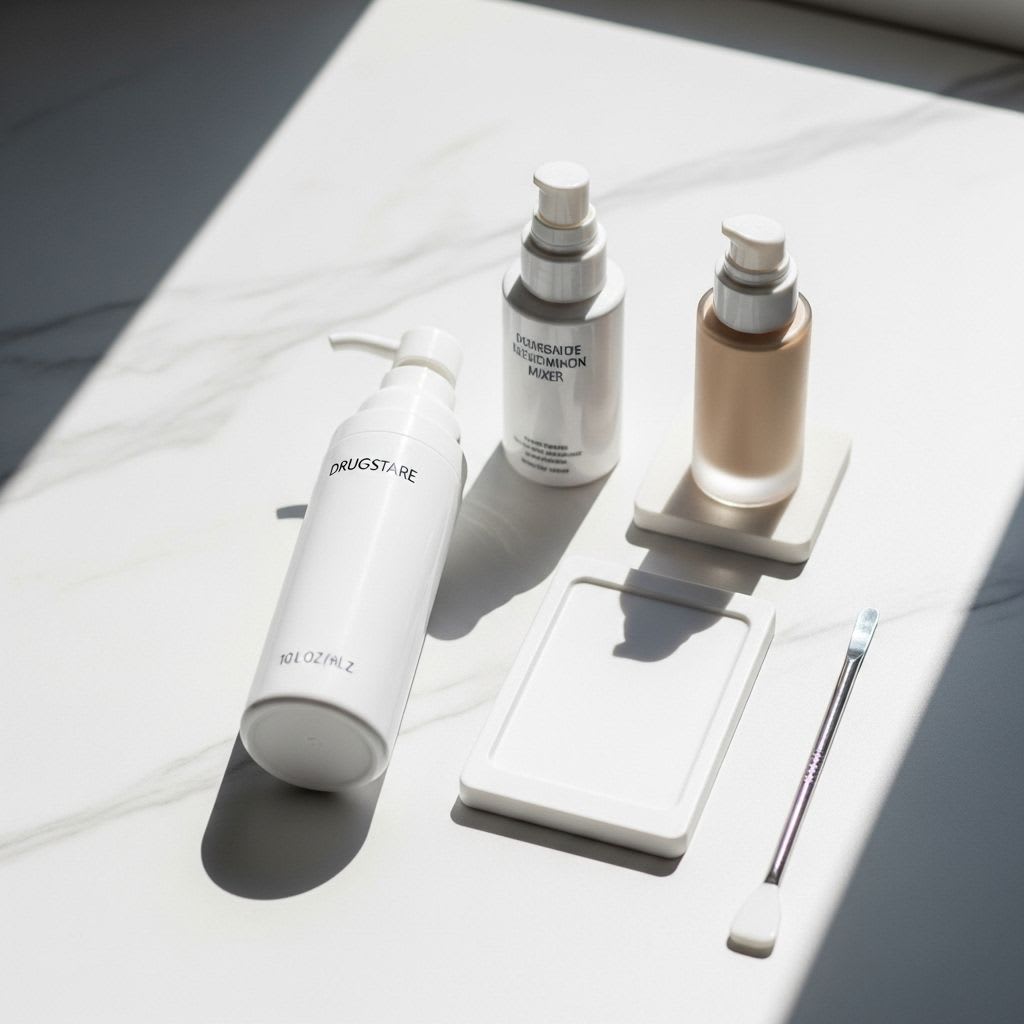
Why White Foundation Matters for Mature Skin
The search for the best drugstore white foundation reveals a frustrating reality: foundation shades lighten as we age, but most brands don't account for this change. During menopause, decreased melanin production can shift your undertone by 1-2 shades lighter within 12-18 months. The foundation that matched perfectly at 45 suddenly looks orange or muddy at 52, yet the next lightest shade in your favorite line reads too pink or gray. White foundation mixers solve this by letting you adjust your existing shade rather than abandoning formulas that work with your skin's texture and oil levels.
What most tutorials miss about drugstore white foundation is that it serves three distinct purposes beyond simple lightening. First, it adjusts seasonal shade shifts—your summer tan requires less white mixer than your winter paleness. Second, it rescues discontinued shades by recreating them through custom blending. Third, it corrects undertone mismatches by diluting overly warm or cool bases to neutral territory. This flexibility becomes essential during hormonal transitions when skin behavior changes faster than product launches.
The critical distinction that saves money: white foundation mixers aren't just diluted foundation. They're formulated to maintain the original foundation's performance characteristics—coverage level, finish, and wear time—while only affecting color. Cheap alternatives like mixing white concealer or moisturizer into foundation compromise texture and longevity. For comprehensive foundation selection strategies during hormonal changes, explore our guide to age defying foundation for menopause.
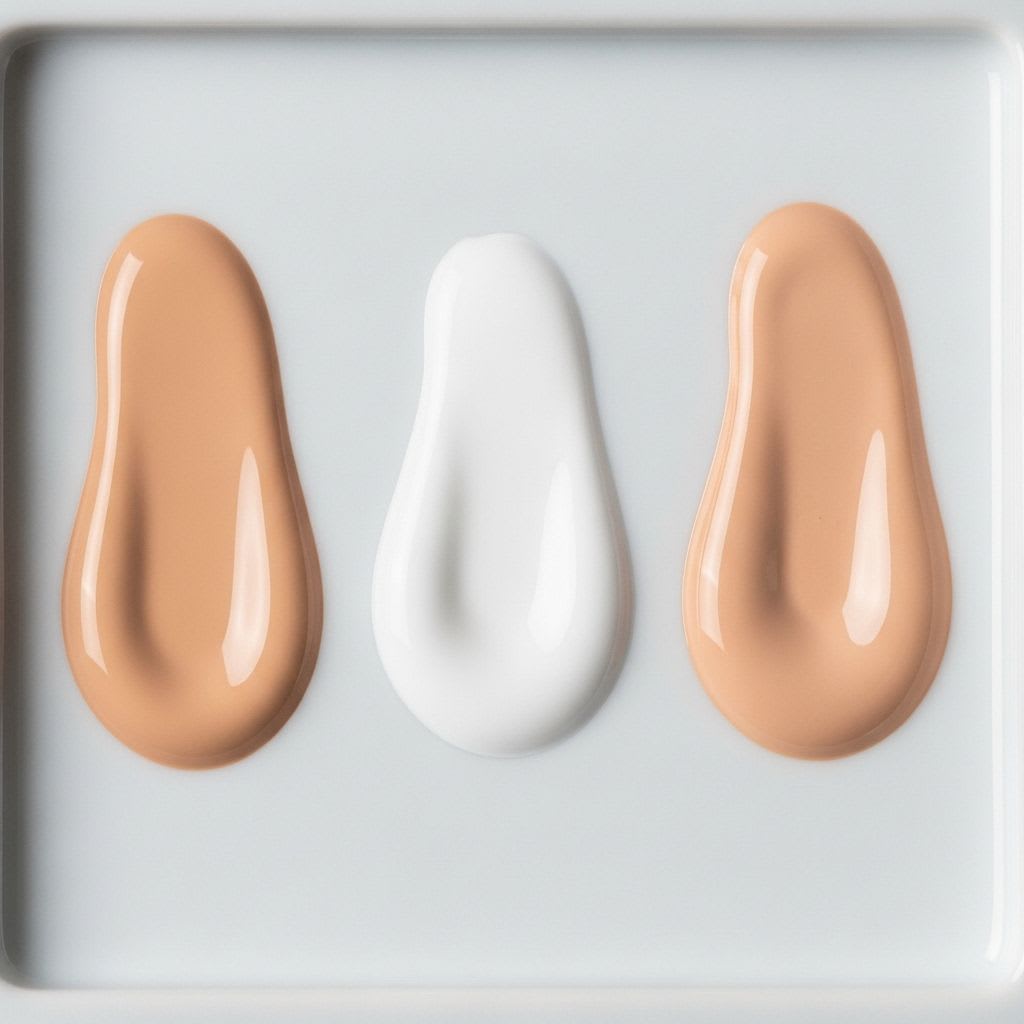
Common Misconceptions About White Foundation Mixers
Myth 1: White Mixers Make Foundation Look Chalky
The chalkiness complaint comes from using too much mixer, not from the product itself. When you add more than 20-25% white foundation to your base, you dilute the pigment concentration below functional levels, creating a veil rather than coverage. The solution isn't avoiding white mixers—it's understanding ratios. Most shade adjustments require only 5-15% mixer, which lightens without compromising the foundation's pigment structure. Start with one small drop per pump of foundation and build gradually until you achieve your match.
Myth 2: All White Foundations Mix With Any Formula
Here's the contradiction between product marketing and chemistry: water-based white mixers separate from silicone-based foundations, creating streaky application and uneven coverage. You need to match your mixer's base to your foundation's base—check the first five ingredients. If your foundation lists cyclopentasiloxane or dimethicone first, you need a silicone-based white mixer. If it lists water or aqua first, choose a water-based mixer. The trade-off? This often means buying multiple white mixers if you use different foundation formulas, though each bottle lasts 12-18 months with daily use.
Myth 3: Drugstore Options Perform Worse Than Prestige
What beginners misunderstand: white foundation mixers are one of the few makeup categories where drugstore and prestige formulas are virtually identical. Both contain titanium dioxide or zinc oxide as primary pigments suspended in the same silicone or water bases. The $12 drugstore version performs identically to the $45 prestige option because there's limited innovation possible in such a simple formula. The evidence shows that blind testing reveals no preference between price points—people choose based on packaging convenience, not formula quality.
Practical Mixing Techniques and Formula Selection
The most effective drugstore white foundation formulas share specific characteristics that ensure successful mixing: neutral undertone (neither pink nor yellow), medium consistency that matches most foundation viscosities, and ingredient lists compatible with both silicone and water-based foundations. Look for products listing titanium dioxide within the first three ingredients, which indicates sufficient pigment concentration to lighten without requiring excessive amounts that compromise your base foundation's coverage.
What experienced users do differently starts with the mixing process itself:
- Mix on the back of your hand, not in the bottle: This allows you to adjust ratios daily based on current skin tone without permanently altering your foundation. Use a small spatula or clean finger to blend thoroughly before application—incomplete mixing creates streaks.
- Test in natural light near a window: Bathroom lighting makes every shade look acceptable. Apply your test blend to your jawline and check the match in daylight before proceeding with full application. The correct shade disappears into your skin without a visible line.
- Start with minimal amounts: One small drop of white mixer to one pump of foundation is your baseline ratio. Wait 60 seconds after blending to see the true color—oxidation can shift the shade slightly lighter as it dries down on skin.
For ingredient-conscious choices during menopause, consider formulas free from synthetic fragrances and parabens, which can trigger sensitivity in hormonally changing skin. Many drugstore white mixers now offer clean formulations with skin-supporting ingredients like vitamin E or hyaluronic acid that provide bonus hydration. Explore non-toxic foundation options for menopausal skin for comprehensive ingredient guidance.
When White Foundation Mixing Fails
Here's the edge case that standard advice ignores: some women experience severe undertone shifts during menopause where skin develops yellow or red cast that no amount of lightening fixes. If your foundation looks too orange even after mixing white, the problem isn't depth—it's undertone mismatch. White mixers only adjust lightness, not warmth or coolness. The solution requires a two-product approach: use a color-correcting primer in green (neutralizes redness) or purple (neutralizes yellow) before applying your white-mixer-adjusted foundation. This adds a step and increases product cost, but it's the only way to address both undertone and depth issues simultaneously. The limitation? Color correctors require precise application—too much creates visible tint that shows through foundation. Most women find this advanced technique frustrating and prefer simply purchasing a new foundation in the correct undertone family, even if it means abandoning a beloved formula. Consider whether fixing your current foundation is worth the daily complexity versus investing time in finding a new shade match that requires no adjustment.