
How Perimenopause Changes Your Nutritional Needs
Nutrition during perimenopause is not simply about eating less to manage weight. The hormonal transition changes how the body processes macronutrients, stores fat, maintains muscle, absorbs certain vitamins and minerals, and regulates inflammation. What constituted a healthy, balanced diet in your 30s may be insufficient — or actively counterproductive — in your 40s without adjustment.
Three key nutritional shifts characterise perimenopause: increased insulin resistance (requiring better blood sugar management), accelerated muscle loss (requiring higher protein intake), and rising cardiovascular risk (requiring anti-inflammatory dietary patterns). Foods that address all three simultaneously are the ones with the most impact. Fortunately, these goals are not in conflict — the dietary pattern that reduces insulin spikes also tends to be anti-inflammatory and protein-sufficient.
Bone density is an additional perimenopause nutritional concern that is often overlooked until post-menopause. Estrogen decline accelerates bone loss, and dietary calcium and vitamin D intake in perimenopause directly affects the trajectory of osteoporosis risk. This is the phase to build or defend bone density, not to wait until after menopause when the fastest rate of loss has already occurred.
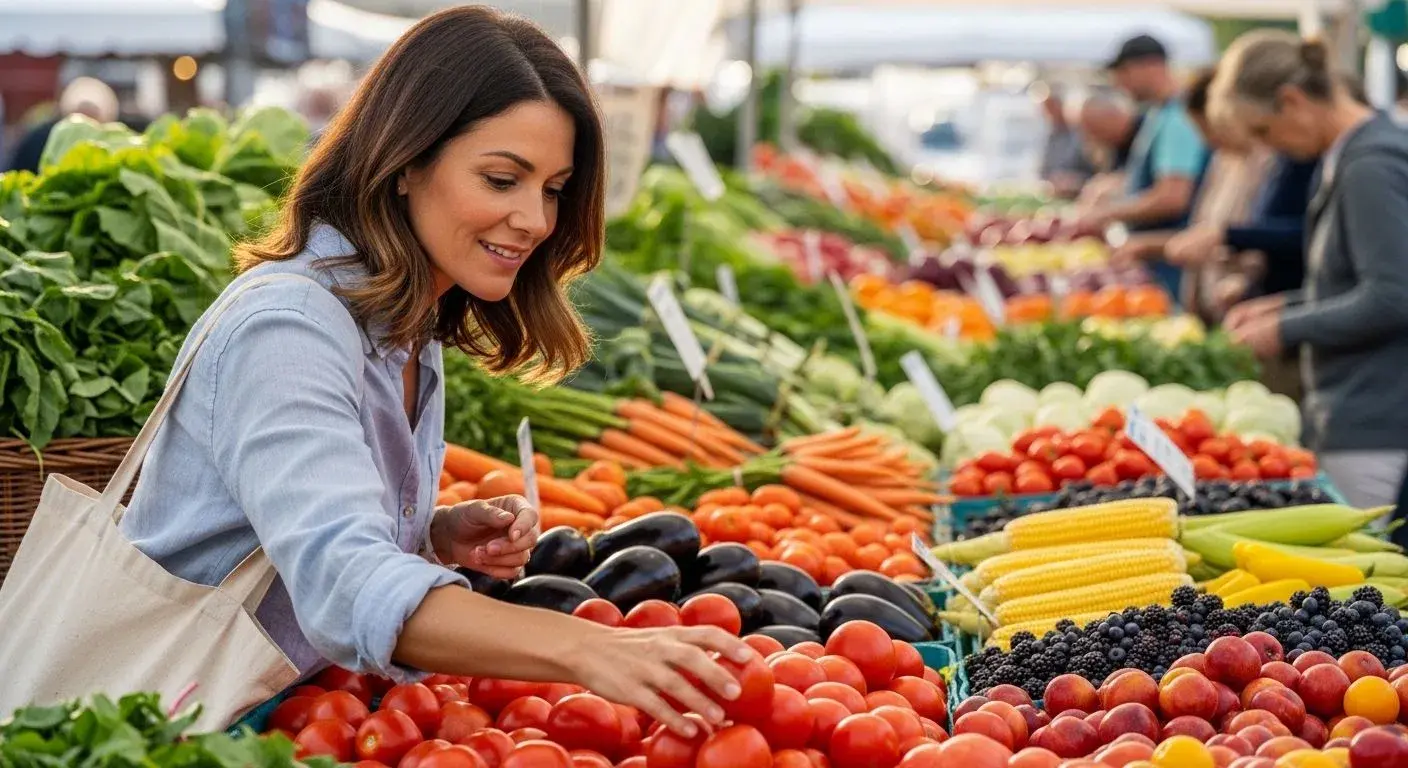
The Best Foods for Perimenopause Weight Loss and Hormonal Health
- Fatty fish (salmon, sardines, mackerel): Omega-3 fatty acids reduce systemic inflammation, support cardiovascular health, and have shown modest benefit for hot flash frequency in some studies. Aim for two to three servings per week.
- Phytoestrogen-rich foods (flaxseeds, edamame, tempeh, tofu): Plant lignans and isoflavones have weak estrogen-like activity that may modestly buffer estrogen decline. Evidence for hot flash reduction is moderate. Flaxseeds also provide fibre that supports gut estrogen metabolism.
- Leafy greens and cruciferous vegetables (spinach, broccoli, kale): High in calcium, magnesium, and indole-3-carbinol — a compound that supports healthy estrogen metabolism in the liver. Also high-volume, low-calorie foods that support satiety.
- Eggs and lean protein (chicken, legumes, Greek yoghurt): Protein at every meal preserves muscle mass during weight loss, keeps blood sugar stable between meals, and has the highest satiety effect per calorie of any macronutrient.
- Berries and colourful fruits: High antioxidant content from polyphenols reduces the oxidative stress that increases during the menopause transition. Lower glycaemic index than tropical or dried fruit.
A common misconception is that healthy eating during perimenopause automatically improves skin. Nutrition does influence skin — omega-3s support skin barrier function, vitamin C is a collagen cofactor, and blood sugar spikes accelerate skin ageing through glycation. But nutrition works over months, not days. For targeted skin support during this phase, our guide to the best non-toxic organic face powder for menopause covers how to address the skin appearance changes that nutrition alone cannot fully resolve.
What Standard Nutrition Advice Gets Wrong for This Life Stage
Standard dietary guidelines are not designed for perimenopausal physiology. The protein recommendation of 0.8g per kilogram of body weight is based on studies in younger adults and is consistently shown to be insufficient for preserving muscle in midlife women, particularly during calorie restriction. The calcium recommendation of 700mg daily (UK) or 1,000mg (US) may also be insufficient for women entering the phase of rapid bone loss without estrogen protection.
The case where food-first advice fails is in women with significant nutritional deficiencies — particularly vitamin D, B12, iron, and magnesium — where food sources alone cannot correct the deficit quickly enough. A baseline blood panel is a worthwhile investment in early perimenopause because deficiencies in these nutrients produce symptoms (fatigue, mood changes, muscle weakness, poor sleep) that are indistinguishable from hormonal symptoms and will not respond to dietary change alone without supplementation.
Gut health is an underappreciated factor in perimenopause nutrition. The gut microbiome influences estrogen metabolism through the 'estrobolome' — a collection of gut bacteria that process and recirculate estrogen. A high-fibre diet supports a healthy estrobolome and can modestly extend the availability of circulating estrogen. Conversely, a low-fibre, high-sugar diet that disrupts gut bacteria may accelerate the effective drop in estrogen activity beyond what ovarian production alone would produce. Our guide on the best menopause face cream and skincare also touches on how gut health and nutrition affect the skin during the transition.