
Why Oil-Free Foundation Is Often the Wrong Choice for Menopausal Skin
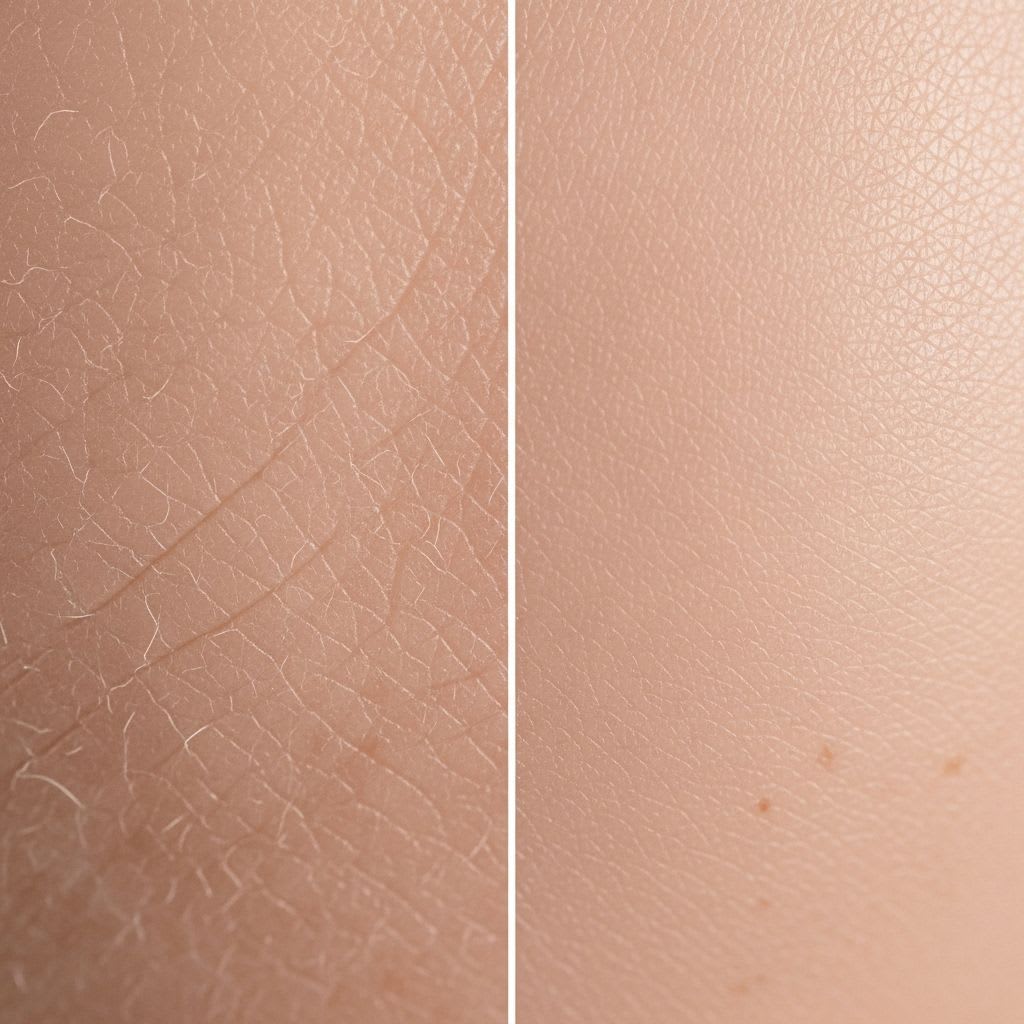
The term 'oil-free' sounds ideal, but it addresses a problem menopausal skin rarely has—excess sebum production. During menopause, sebaceous gland activity drops by 40-60%, meaning most women transition from combination or oily skin to dry or very dry skin. Oil-free foundations were formulated for younger, oilier complexions where sebum causes makeup to break down and shine. Applying these formulas to hormonally dry skin creates a cascade of problems: immediate dryness, makeup that emphasizes texture, and foundation that clings to dry patches within hours.
The paradox is that oil-free doesn't mean hydrating—it typically means silicone-based or water-based formulas that lack the emollient ingredients dry skin desperately needs. These foundations often contain mattifying agents like silica or clay that actively absorb moisture, compounding the dehydration problem. What worked perfectly at 35 when your T-zone was shiny by noon becomes a texture-emphasizing disaster at 52 when your skin produces minimal natural oils. Understanding this shift is crucial before investing in products marketed with the oil-free label.
However, a specific subset of menopausal women still experiences breakouts or combination skin due to hormonal fluctuations affecting different facial zones inconsistently. For these women, the challenge becomes finding non-comedogenic oil-free options that don't over-dry while still preventing breakouts. The solution isn't avoiding all oils—it's avoiding pore-clogging oils while maintaining hydration through water-binding ingredients. Learn more about choosing foundations in our age-defying foundation guide.
Common Misconceptions About Oil-Free Makeup During Menopause
Myth: Oil-Free Means Longer-Lasting Makeup
Many women choose oil-free foundation believing it will stay put longer, but this assumption comes from pre-menopausal skin behavior. On oily skin, oil-free formulas do last longer because they're not competing with sebum production that breaks down makeup. On menopausal skin, the opposite occurs—oil-free foundations often fade and separate faster because they lack the emollients that help makeup adhere to dry skin and move naturally with facial expressions.
What practitioners notice: foundations with some oil content actually wear better on menopausal skin because they maintain flexibility and don't crack along fine lines. The longevity issue isn't about oil versus oil-free—it's about matching the formula's moisture level to your skin's current state. A hydrating foundation with natural oils will outlast an oil-free matte formula on dry menopausal skin by several hours, contradicting the conventional wisdom from decades of beauty marketing.
Myth: All Facial Oils Cause Breakouts During Menopause
The fear of oil-based products causing breakouts persists even as skin type changes dramatically during menopause. While some oils are comedogenic, many botanical oils used in foundations—like squalane, rosehip, and argan—are non-comedogenic and actually support the skin barrier that deteriorates during hormonal transition. Menopausal breakouts typically stem from hormonal fluctuations, not from cosmetic oils on the skin's surface.
The evidence contradiction: many dermatologists now recommend oil-containing foundations for menopausal skin specifically because they prevent the trans-epidermal water loss that makes skin look crepey and aged. The blanket avoidance of all oils represents outdated thinking from when heavy mineral oils were foundation staples. Modern formulations use lightweight, skin-identical oils that don't clog pores but do provide the protective barrier menopausal skin can no longer generate on its own. Explore safer options in our non-toxic foundation guide.
When Oil-Free Foundation Actually Works for Menopausal Skin
Despite general unsuitability, oil-free foundations serve specific menopausal scenarios. Women experiencing hormonal acne concentrated in the jawline and chin while having dry cheeks need oil-free formulas in breakout zones. The strategy becomes zone-specific application: use hydrating foundation on dry areas and oil-free, non-comedogenic formula only where breakouts occur. This mixed approach addresses the reality that menopausal skin often isn't uniform—different areas respond to hormonal changes differently.
Additionally, oil-free foundations work during hot, humid weather when even menopausal skin produces slightly more sebum and needs less occlusive coverage. Summer formulas can be lighter and oil-free, while winter demands richer, oil-containing products. The key is seasonal adaptation rather than year-round commitment to oil-free formulas. What beginners miss: your foundation wardrobe needs to change with seasons and hormonal fluctuations, not remain static based on a single product category.
For oil-free formulas to work on menopausal skin, they must contain exceptional hydrating ingredients—hyaluronic acid, glycerin, peptides, or ceramides—that compensate for the lack of oils. Look for terms like 'oil-free hydrating foundation' or 'water-based dewy finish' rather than 'oil-free matte.' The finish reveals the formula's intent: matte oil-free products will dehydrate, while dewy oil-free products use water-binding agents instead of oils for moisture. The honest limitation is that even the best oil-free hydrating foundation won't match the skin-plumping effects of oil-containing formulas for very dry menopausal skin, but they offer a compromise when oils genuinely cause problems.