
Why Vulvar Dryness and Soreness Happen — and Why Ordinary Moisturisers Do Not Work
Vulvar dryness, soreness, stinging, and itching are among the most undertreated symptoms of menopause — partly because they are rarely discussed openly, and partly because many women mistakenly use products that worsen rather than help. The vulva (external genital skin) and vaginal tissue both have oestrogen receptors. As oestrogen declines, these tissues thin, lose elasticity, reduce their natural secretions, and become more prone to irritation, microtears, and recurrent infection.
Ordinary body moisturisers — even those marketed as gentle — typically contain fragrances, preservatives, alcohols, and pH-disruptive ingredients that are harmful to the highly sensitive skin of the vulva. The labia minora in particular has no sebaceous glands, meaning it cannot self-moisturise and is entirely dependent on the surrounding environment remaining balanced.
The correct products for vulvar care are specifically formulated for this area: fragrance-free, pH-matched (approximately 3.8-4.5), hypo-allergenic, and free from parabens and glycols that disrupt the local microbiome. For overall menopausal skin care that addresses the same oestrogen-driven barrier changes in facial skin, see best menopause face cream and skincare — many of the same oestrogen-withdrawal mechanisms apply.
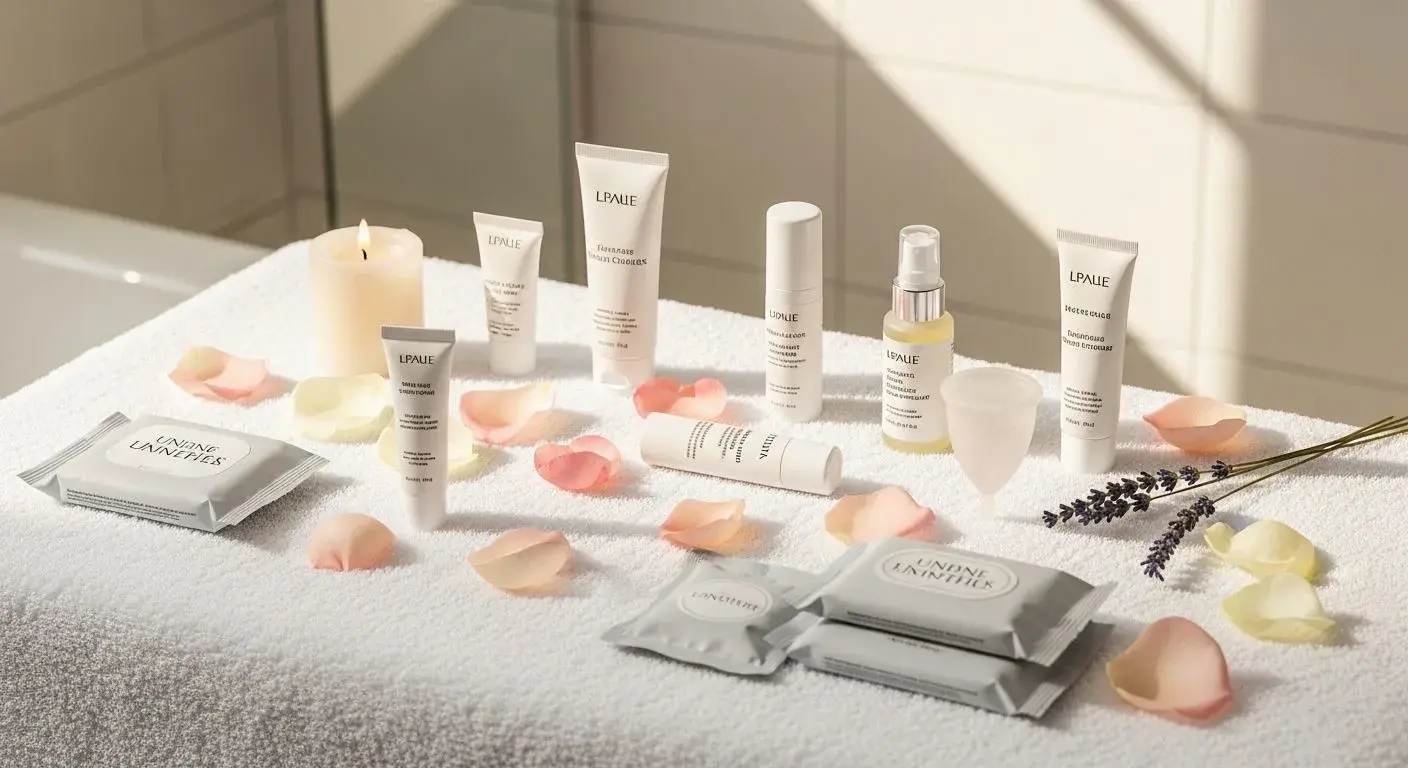
What to Look For — and What to Avoid — in a Vulva Moisturiser or Labia Cream
Choosing the right product requires reading ingredient lists, not just marketing claims. The best vulva moisturisers and soothing creams share several characteristics:
- Hyaluronic acid: Draws moisture into vulvar tissue and maintains hydration without altering pH. Essential in any vulva moisturiser for menopausal dryness.
- Lactic acid (low concentration, around 1%): Gently restores the natural acidic pH of vulvar and vaginal tissue. Helps prevent the recurrent bacterial vaginosis and yeast infections that are common when pH rises with oestrogen withdrawal.
- Aloe vera gel (pure, no added alcohol): Soothing and anti-inflammatory for acute soreness. Look for aloe as a primary ingredient rather than a minor additive.
- Vitamin E (tocopherol): Supports skin barrier repair and reduces the oxidative damage associated with thinning vulvar tissue.
Always avoid: fragrances (even 'natural' ones), essential oils (lavender, tea tree, eucalyptus), glycerin in high concentrations (osmotically draws moisture out of tissue), and anything containing boric acid except under medical guidance. Coconut oil, though popular, raises vaginal pH and can increase risk of bacterial overgrowth in women already prone to BV.
For the wider skin changes of menopause, our guide to best skin cream for menopause covers the full body skin barrier changes that accompany oestrogen withdrawal.
When a Moisturiser Is Not Enough: Prescription Options and When to Seek Help
Non-hormonal vulva moisturisers address the symptoms of atrophy but not the cause. For moderate to severe vulvovaginal atrophy — where tissue has significantly thinned, tearing occurs with minimal friction, and recurrent infections persist — topical oestrogen (applied locally to the vulva and vagina) is the most effective treatment and is supported by strong evidence.
Local oestrogen (available as cream, pessary, or ring) is absorbed minimally into the bloodstream compared to systemic HRT and is generally considered appropriate even for women who have had hormone-sensitive cancers, subject to specialist guidance. It directly reverses the tissue changes causing symptoms rather than managing them.
Edge case: Persistent vulvar soreness that does not improve with moisturiser or topical oestrogen should be assessed by a gynaecologist or vulval specialist. Lichen sclerosus — an autoimmune skin condition of the vulva — increases in incidence post-menopause and presents with whitening, thinning, and intense itching that resembles atrophy but requires potent topical steroid treatment, not moisturiser. It is frequently missed for years. If your symptoms are not responding to standard care, do not assume it is just 'menopause'.