
Why Menopause Burning Itch Feels Different From Ordinary Itching
A burning itch during menopause is not the same sensation as a dry-skin itch after a shower. Women frequently describe it as prickling, crawling, or heat radiating from inside the skin — and that distinction matters for treatment. The difference is neurological: declining oestrogen reduces nerve fibre density in the skin and lowers the threshold at which itch-sensing neurons (C-fibres) fire. This is why the sensation can appear on skin that looks completely normal, with no visible redness or rash. For a full breakdown of what drives this, see menopause itching: causes and treatment.
The most common misconception is that a burning itch means an infection or an allergic reaction. In menopausal women, it is far more often formication — the crawling or burning sensation caused by oestrogen-depleted nerve endings — or a prickly heat-like response triggered by hot flushes. Both require cooling and barrier support rather than anti-itch creams. See our full guide to burning skin sensation and prickly heat in menopause for more detail on these specific patterns.
Home Remedies That Actually Work — and the Science Behind Them
The most effective home remedies for menopausal itching work either by calming mast cell activity, restoring the skin barrier, or interrupting the nerve signal that creates the itch-scratch cycle. Remedies that only add surface moisture without addressing these mechanisms typically provide short-lived relief.
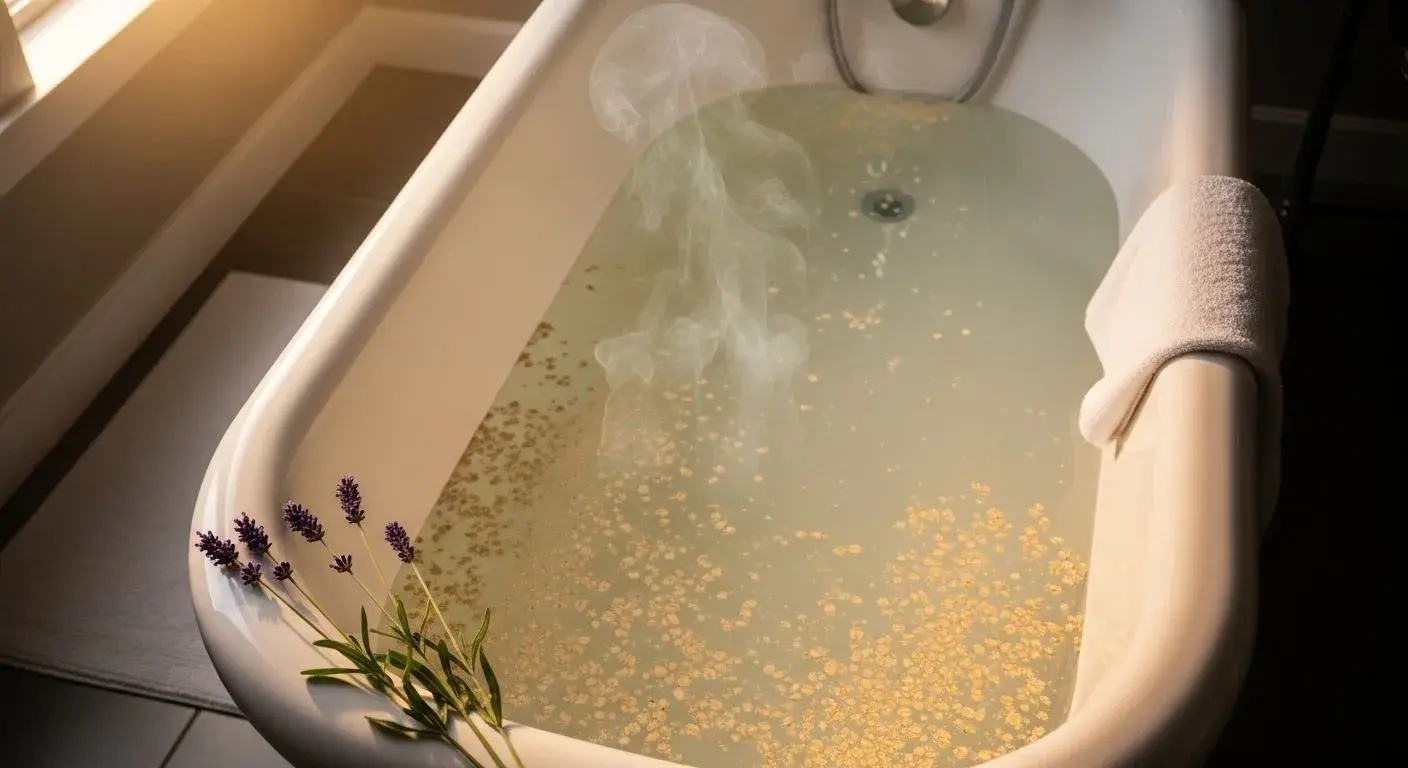
- Colloidal oatmeal bath or paste: Finely milled oats contain avenanthramides, compounds with genuine anti-inflammatory and anti-itch properties. Add one cup to lukewarm (not hot) water and soak for 15 minutes. Hot water worsens itch by vasodilating and releasing more histamine.
- Cool compress: Applying a cool damp cloth for 10 minutes lowers local skin temperature, which slows nerve conduction and temporarily halts the itch signal. Particularly effective for burning sensations linked to hot flushes.
- Coconut oil (virgin, unrefined): Has demonstrated barrier repair and mild antimicrobial properties. Best used on damp skin immediately after bathing. The trade-off: it is comedogenic for some women and should be avoided on the face or chest if acne-prone.
- Aloe vera gel (pure, no alcohol): Cooling and mildly anti-inflammatory. Effective for surface-level burning itch. Check the ingredient list — many commercial aloe gels contain denatured alcohol, which dries the skin and worsens itch after the initial coolness fades.
One remedy that reliably backfires: apple cider vinegar. While widely shared online, its acidity can disrupt the skin's natural pH and damage an already compromised barrier, causing more burning, not less. Witch hazel presents a similar issue — it can provide momentary relief but the alcohol content in most formulations dehydrates the skin over time.
When Home Remedies Are Not Enough
Home remedies are effective for managing mild to moderate itching as part of a consistent routine. What experienced practitioners know — that beginners often miss — is that consistency matters more than any single remedy. A colloidal oatmeal soak used once provides temporary relief. Used three times a week alongside a ceramide-rich cream applied while skin is still damp, it shifts the baseline.
Where home approaches fall short: when the itch is primarily neuropathic (burning, crawling, no visible trigger), when it wakes you repeatedly at night, or when it has been present consistently for more than four weeks without improvement. In these cases, barrier repair and soothing remedies alone are addressing the surface while the underlying hormonal and neurological driver continues. This is the point where a GP conversation about topical oestrogen, systemic HRT, or a specialist referral becomes the most practical next step.
In early perimenopause, home remedies often control symptoms adequately. In post-menopause — when oestrogen levels are at their lowest sustained level — the skin barrier has typically deteriorated further, and home remedies shift from a primary strategy to a supportive one alongside medical treatment. Never delay seeking care for itching accompanied by yellowing skin, widespread hives, or difficulty breathing, as these indicate conditions unrelated to menopause.