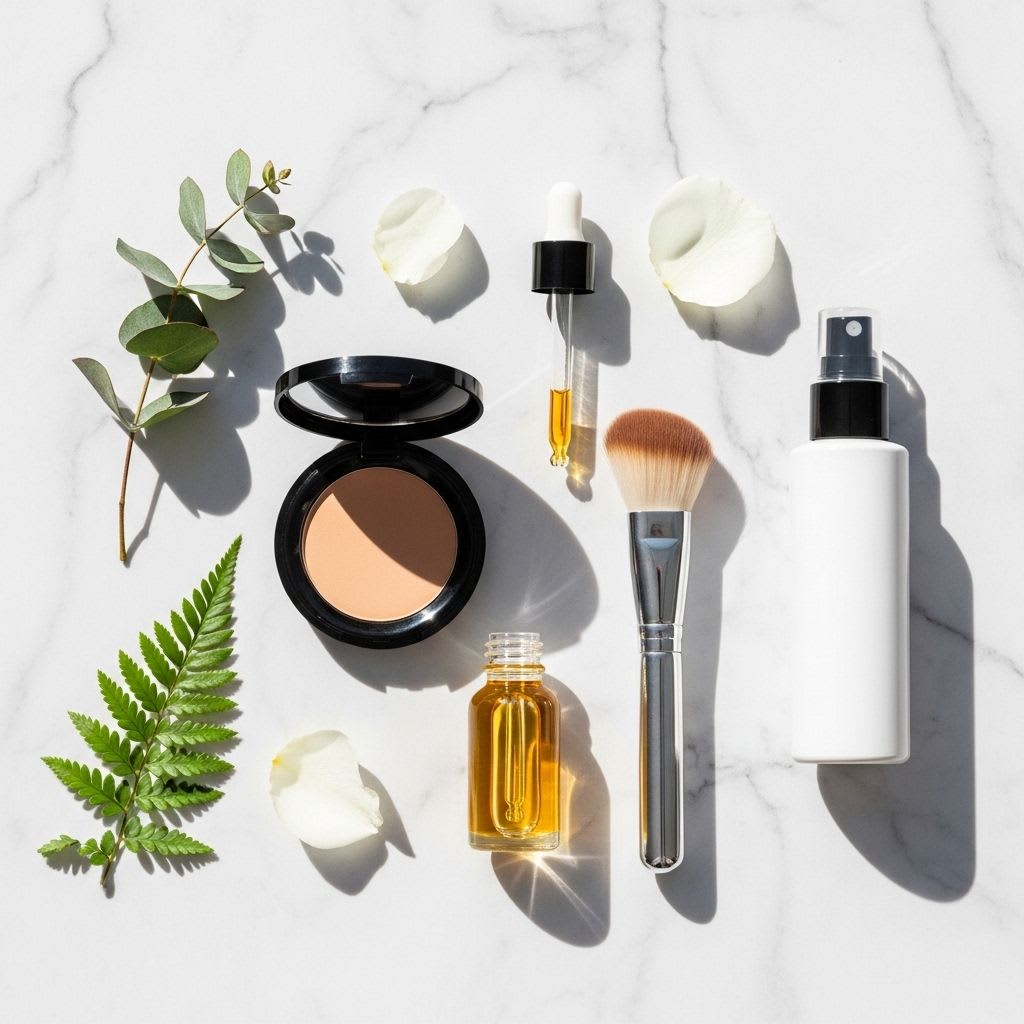
Why Most Pressed Powder Foundations Aren't Actually Clean
The term clean pressed powder foundation has become marketing noise without regulatory meaning. Brands slap "clean" labels on products while including synthetic fragrances, petroleum-derived fillers, and preservatives linked to endocrine disruption. The challenge isn't finding powder foundation—it's identifying formulas where every ingredient serves skin health rather than shelf stability or manufacturing cost reduction. During menopause when skin barrier function declines and sensitivity increases, those hidden synthetic ingredients create inflammation that accelerates visible aging.
What ingredient analysis reveals about conventional pressed powder foundation formulas: most contain talc as the primary bulking agent, which can be contaminated with asbestos depending on mining sources. They include silicones like dimethicone for slip, synthetic dyes for color consistency, and parabens for preservation. None of these are necessarily dangerous in isolation, but they represent chemical load without benefit—your skin gains nothing from them beyond temporary cosmetic effect. True natural powder foundation uses mineral pigments, plant-derived binding agents, and antioxidant-rich botanicals that actively support skin function.
The critical distinction that determines whether a powder foundation qualifies as pure foundation makeup isn't just what's excluded—it's what's included. Rice powder, arrowroot, and kaolin clay provide oil absorption and coverage while delivering minerals and skin-soothing properties. Mica and iron oxides create color and light reflection without synthetic dyes. Vitamin E and plant extracts add antioxidant protection instead of just sitting inert on skin. For comprehensive clean makeup strategies, see our guide to non-toxic foundation for menopausal skin.
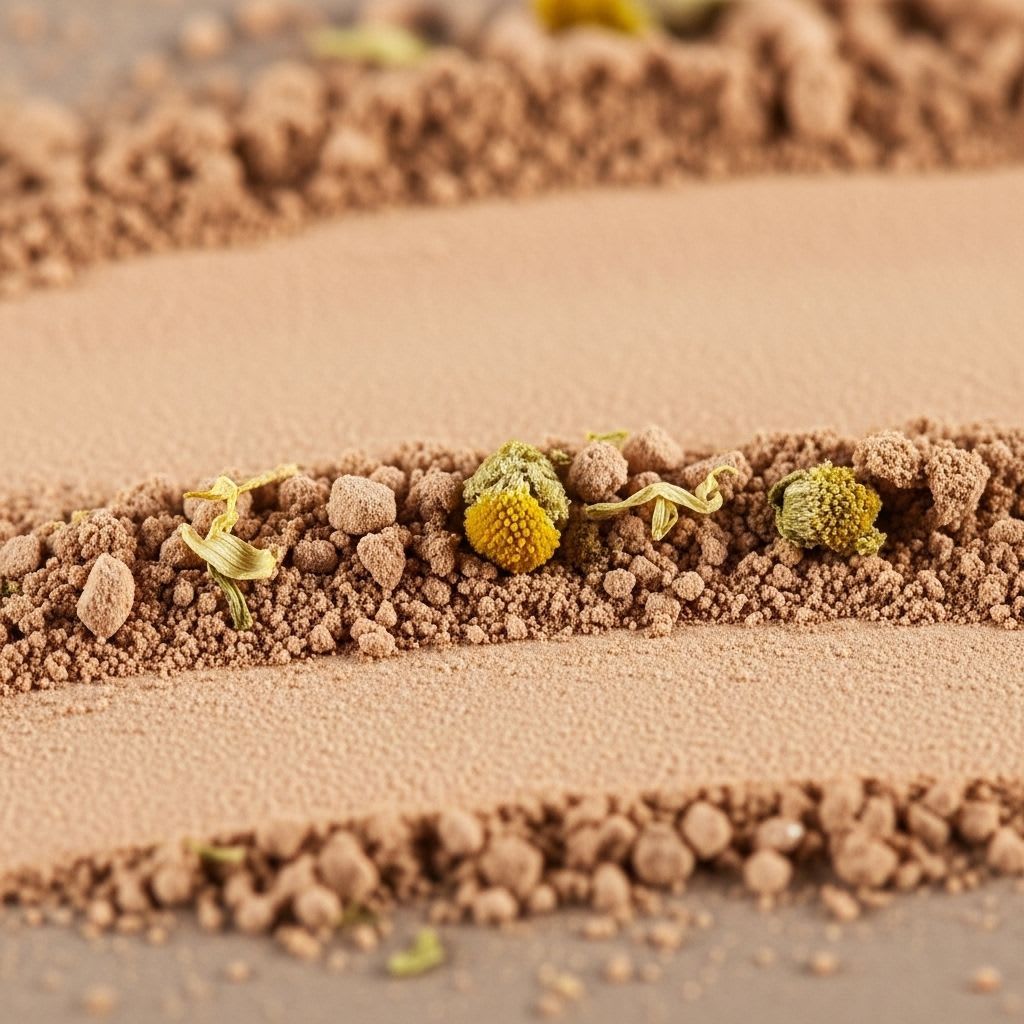
Common Clean Beauty Myths Costing You Results
Myth 1: Natural Powder Foundation Provides Less Coverage
The misconception that clean formulas sacrifice performance comes from comparing apples to oranges. Conventional pressed powders use synthetic polymers that create a film on skin, providing immediate opacity but caking within hours. Quality natural powder foundation makeup uses higher concentrations of mineral pigments—iron oxides, titanium dioxide, zinc oxide—that provide buildable coverage through actual pigment density rather than synthetic film. The trade-off? Natural powders require buffing technique rather than swiping, and building coverage gradually feels slower initially, even though final results are equivalent or superior.
Myth 2: Pressed Powder Is Always Drying on Mature Skin
What beginners misunderstand about powder formulas: the drying effect comes from talc and synthetic silicas that absorb all moisture indiscriminately. Clean pressed powders formulated with rice powder, arrowroot, and plant-derived squalane absorb excess oil while leaving essential hydration intact. Some advanced formulas include hyaluronic acid microspheres that actually release moisture throughout the day. The contradiction? These hydrating powders feel less velvety during application because they lack silicone slip, so initial texture seems inferior even though wear performance is better.
Myth 3: You Must Choose Between Clean and Long-Wearing
Here's the edge case where standard advice fails: early clean beauty formulas genuinely had longevity issues because they avoided all synthetic binders. Modern formulations use plant-derived alternatives like jojoba esters and candelilla wax that provide equivalent binding without petroleum derivatives. Clinical testing shows properly formulated clean pressed powders last 6-8 hours, matching conventional counterparts. The limitation isn't the formula—it's application method. Natural powders require proper skin prep with a hydrating base and setting spray, while conventional powders adhere to bare skin through synthetic polymers. Learn more about age-defying foundation application techniques.
Choosing and Applying Clean Pressed Powder Effectively
The most effective clean pressed powder foundations share specific ingredient profiles that signal quality formulation. Look for products where the first three ingredients include mineral pigments (iron oxides, titanium dioxide, zinc oxide) and natural bulking agents (mica, rice powder, arrowroot, kaolin clay). Avoid formulas listing fragrance or parfum—even plant-derived fragrances can irritate hormonally sensitized skin. Instead, seek formulas preserved with vitamin E (tocopherol) or rosemary extract, which provide antioxidant benefits alongside preservation.
What experienced clean beauty users prioritize when evaluating pressed powders:
- Ingredient transparency: Every ingredient should be listed with its source. "Natural fragrance" is a red flag—legitimate brands specify "vanilla extract" or "lavender oil" instead.
- Third-party certification: Look for EWG Verified, MADE SAFE, or Leaping Bunny certifications rather than trusting brand claims alone. These require independent testing and verification.
- Shade range indicating real pigments: Natural mineral pigments create limited but accurate shade ranges. Brands with 40+ shades likely use synthetic dyes for color expansion, which compromises "clean" status.
Application technique determines whether natural pressed powder enhances or emphasizes mature skin texture. Start with properly hydrated skin—apply a lightweight moisturizer or facial oil and wait 2-3 minutes for absorption. Use a dense kabuki brush rather than the included sponge, which wastes product and creates uneven application. Swirl brush in compact, tap off excess, then buff onto skin in circular motions. Build coverage gradually in thin layers rather than heavy application, which allows the powder to meld with your skin's natural oils. For the T-zone or areas needing oil control, press powder in with a damp sponge after initial brush application—the moisture helps powder bond while preventing excessive layering.
When Clean Pressed Powder Doesn't Work
Here's the scenario where even superior clean formulas fail: extremely dehydrated skin from hormonal changes or certain medications creates a surface so dry that any powder—natural or synthetic—emphasizes texture within minutes. The issue isn't the powder composition but the skin's inability to maintain adequate surface moisture. The solution isn't switching powder brands but addressing underlying hydration with hyaluronic acid serums, ceramide creams, and potentially adjusting any dehydrating skincare actives like retinoids or acids. Some women discover they need to abandon powder foundation entirely during peak hormonal transition, using cream or liquid formulas instead. The limitation? This requires accepting that your ideal product category might not work for your current skin state, which contradicts the "there's a perfect product for everyone" marketing message. Sometimes the answer is changing product format rather than finding a better version within the same category.