
Is Losing Hair a Symptom of Pregnancy?
The short answer is: it depends on the timing. During the first trimester, some women notice increased shedding as estrogen and progesterone levels surge and stabilise. However, heavy hair loss early in pregnancy is more often a sign of a nutritional deficiency or thyroid imbalance than pregnancy itself. The more common pattern is the opposite: hair becomes fuller and thicker during pregnancy because elevated estrogen prolongs the growth phase of each hair follicle, meaning fewer hairs shed on schedule.
Telogen effluvium: This is the clinical term for the diffuse shedding that most pregnant and postpartum women experience. It occurs when a large proportion of follicles simultaneously enter the resting (telogen) phase, triggered by hormonal shifts or physiological stress. It is not the same as androgenetic alopecia (pattern baldness) and is almost always reversible.
One misconception worth addressing early: many women assume that hair loss means something is seriously wrong with their pregnancy. In the vast majority of cases it does not. But if shedding is heavy, patchy, or accompanied by scalp irritation, it is worth checking for iron, ferritin, or thyroid issues with your midwife or doctor. You may also find it useful to read about itchy scalp causes and relief strategies, as scalp inflammation can accompany shedding at any hormonal life stage.
What Actually Causes Hair Thinning During Pregnancy
Several distinct mechanisms can drive hair thinning during pregnancy, and mixing them up leads to the wrong treatment approach. The four most common culprits are:
- Iron or ferritin deficiency: The fetus draws heavily on maternal iron stores. Even women who are not clinically anaemic can have low ferritin levels that affect follicle function. This is the most commonly missed cause of first-trimester shedding.
- Thyroid changes: Both hypothyroidism and hyperthyroidism can emerge or worsen during pregnancy. Diffuse, rapid shedding alongside fatigue or weight changes warrants a TSH blood test.
- Hormonal fluctuation in the first trimester: Some women experience a brief shedding episode as hormone levels initially shift before stabilising. This usually resolves by week 12 without intervention.
- Scalp environment changes: Increased sebum production (driven by progesterone) can create a greasy scalp environment that, if not managed, weakens the hair root. Learn more about managing excess sebum production and its hormonal drivers.
Where standard advice fails: prenatal vitamins containing biotin are often recommended blanket-style for pregnancy hair loss. But if the root cause is low ferritin or a thyroid disorder, biotin supplementation will do nothing. Always identify the cause before choosing a supplement.
Safe Hair Loss Treatments During Pregnancy
The first rule of treating hair loss during pregnancy is to avoid anything that could be absorbed systemically in meaningful quantities. Minoxidil, often recommended for female hair loss, is contraindicated during pregnancy and breastfeeding. Similarly, some essential oil blends and keratin treatments contain chemicals not studied in pregnancy. Err on the side of caution.
What is considered safe and evidence-informed includes:
- Iron supplementation (if deficient): Confirmed by blood test and prescribed by your doctor. Do not self-supplement iron at high doses without testing, as excess iron carries its own risks.
- Gentle scalp massage: Two to four minutes daily using fingertips (no tools during pregnancy if scalp is sensitive) increases blood circulation to follicles. Rosemary oil diluted in a carrier oil is a topical option considered low-risk by most dermatologists, though formal pregnancy studies are limited.
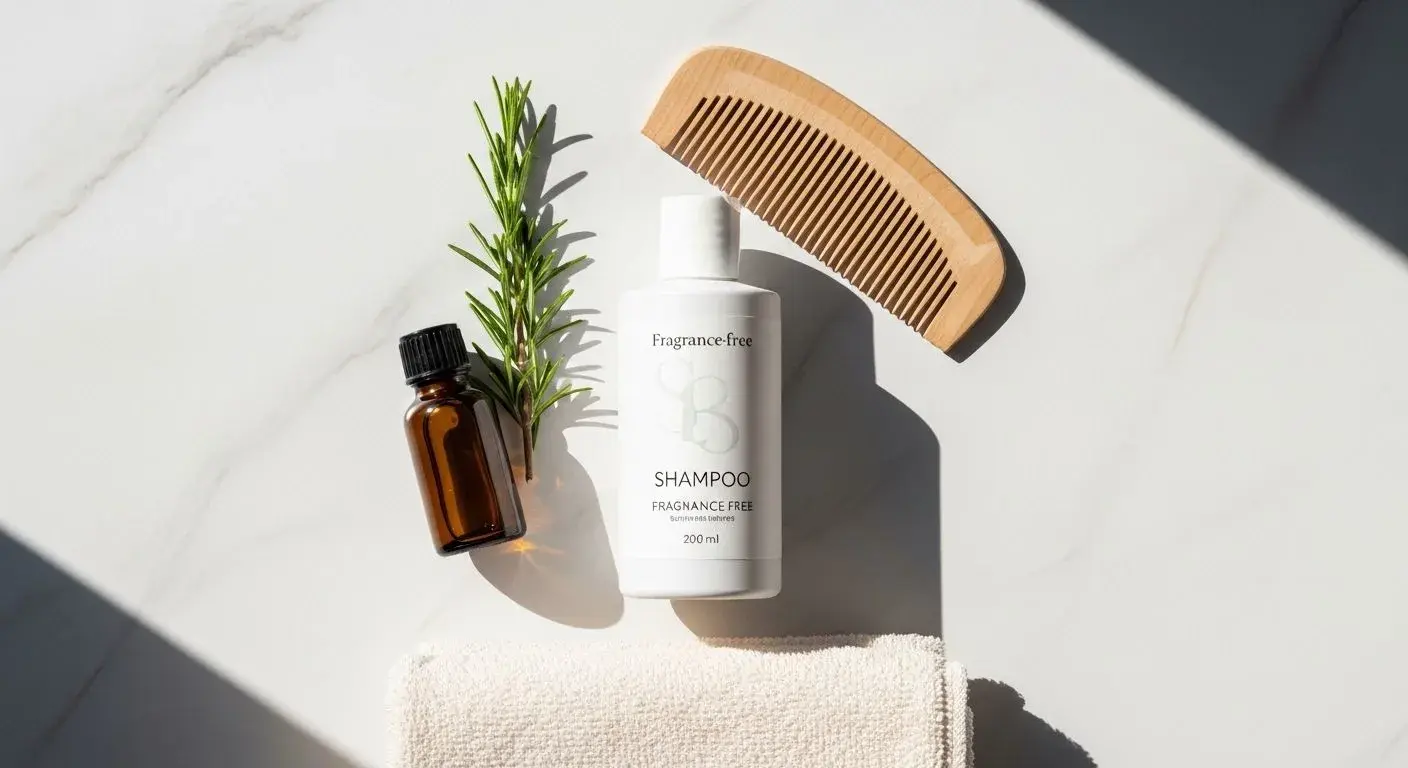
- Fragrance-free, sulphate-free shampoo: Reduces scalp inflammation and removes sebum buildup without stripping the scalp barrier. Wash frequency should match your scalp's oil production.
- Protein-rich diet and adequate hydration: Hair is primarily keratin (protein). Women eating below their caloric or protein needs during pregnancy are at higher risk of telogen effluvium.
One trade-off worth knowing: gentle handling reduces breakage but does not address the underlying hormonal or nutritional driver. If shedding is significant, treating the scalp topically without addressing nutrition or thyroid function will produce only modest results. Both fronts need attention simultaneously for the best outcome.