
How Low Estrogen Turns Up Your Body's Inflammatory Response
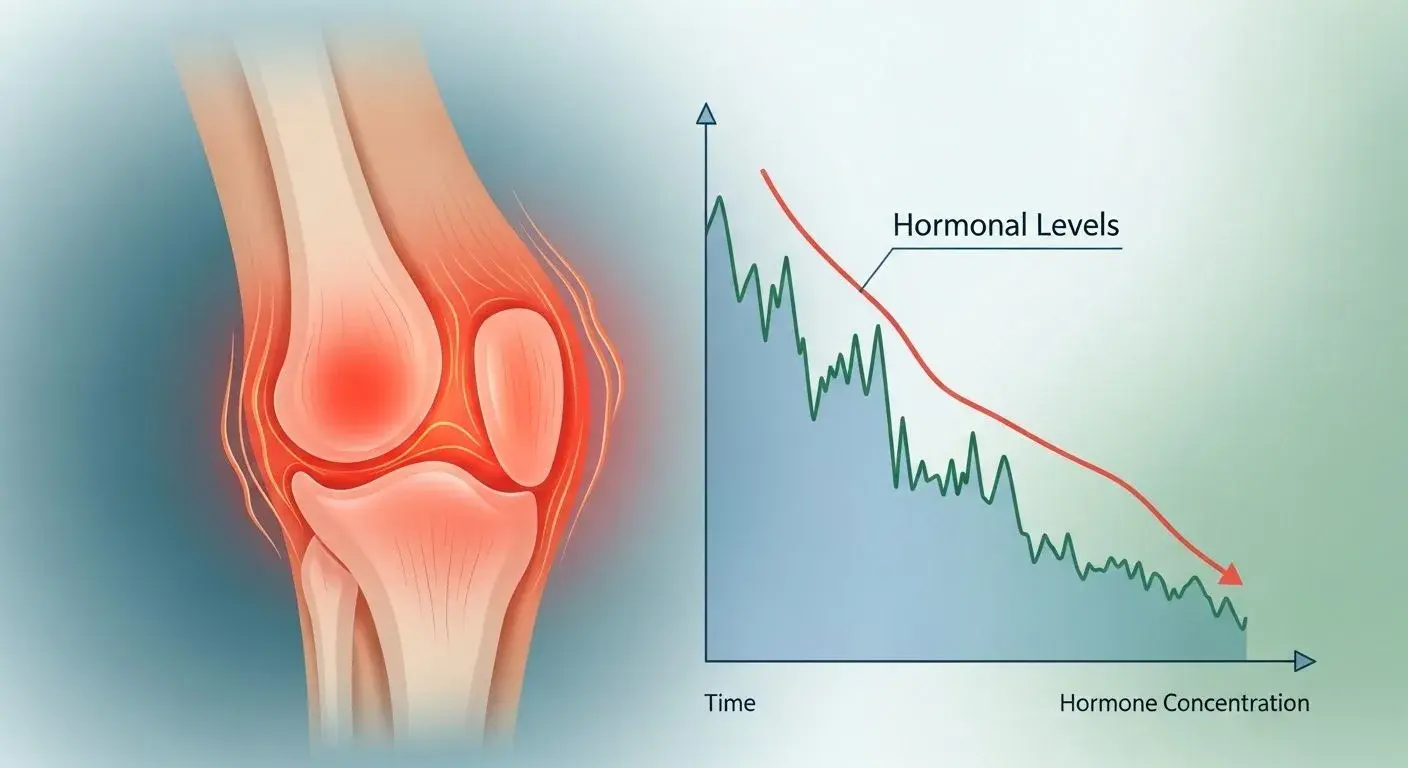
Yes, menopause causes inflammation — and it does so through a specific biological mechanism. Estrogen directly suppresses the production of pro-inflammatory cytokines including TNF-alpha, IL-1, and IL-6. As estrogen declines during perimenopause, this suppression weakens. The immune system becomes more reactive, and the body enters a state researchers now call 'inflammaging' — low-grade chronic inflammation that damages tissues over time and underlies many of the symptoms women experience: joint aches, skin changes, gut sensitivity, fatigue, and cognitive fog.
This is not a minor background effect. A 2020 study found that C-reactive protein (CRP), a key inflammation marker, rises significantly in the transition from perimenopause to postmenopause. This elevation is directly associated with increased risk of cardiovascular disease, insulin resistance, and accelerated joint degeneration. The inflammation is real, measurable, and consequential — not just a vague 'feeling unwell'. For women also experiencing skin changes due to this inflammatory shift, our article on dermatitis and skin inflammation in menopause covers the cutaneous dimension in detail.
How to Reduce Inflammation During Perimenopause: What Actually Works
The most effective anti-inflammatory strategy in perimenopause addresses both the hormonal root cause and the downstream inflammatory load. Interventions that target only one of these tend to underperform. For women who have not yet explored the link between histamine and perimenopausal inflammation — which shares overlapping mechanisms — our article on histamine intolerance in perimenopause is a relevant read.
- Anti-inflammatory diet: Reduce ultra-processed foods, refined sugars, and seed oils. Increase oily fish (omega-3s), colourful vegetables, olive oil, turmeric, and fermented foods. The Mediterranean dietary pattern has the most consistent evidence for lowering CRP in menopausal women.
- Resistance and aerobic exercise: Both forms of exercise independently reduce circulating inflammatory cytokines. A combination of 2 resistance sessions and 150 minutes of moderate cardio per week is the evidence-based target.
- Sleep optimisation: Chronic sleep disruption — extremely common in perimenopause — is a primary driver of elevated IL-6 and CRP. Addressing sleep is not optional; it is a core anti-inflammatory intervention.
- HRT: Replacing estrogen directly reduces CRP and inflammatory cytokines in most studies. For eligible women, HRT is one of the most mechanistically logical anti-inflammatory strategies available.
The edge case where standard advice fails: women who have made all the dietary and lifestyle changes and still have persistently elevated inflammation markers should be investigated for autoimmune conditions — particularly Hashimoto's thyroiditis, rheumatoid arthritis, and coeliac disease — all of which can be unmasked or exacerbated by the perimenopausal hormonal shift.
Frequently Asked Questions
Does perimenopause cause inflammation?
Yes. Declining estrogen during perimenopause reduces the body's natural inflammatory suppression, causing measurable rises in C-reactive protein and pro-inflammatory cytokines. This systemic inflammation contributes to joint pain, fatigue, skin changes, and cardiovascular risk.
How do I know if my symptoms are inflammation-related?
Signs of systemic inflammation in perimenopause include multiple joint aches, persistent fatigue, digestive sensitivity, skin flares, and brain fog. A blood test for CRP, ESR, and full blood count can confirm elevated inflammatory markers. Elevated CRP in the context of menopausal symptoms warrants further investigation.
What reduces inflammation the fastest in perimenopause?
Eliminating processed foods and added sugars produces the fastest measurable reduction in CRP — often within 2 to 4 weeks. Combining this with omega-3 supplementation and sleep improvement accelerates results further. HRT produces the most sustained reduction for eligible women.
Sources
- Estrogen, Cytokines, and Systemic Inflammation in Menopausal Women. pubmed.ncbi.nlm.nih.gov — PubMed / NIH
- C-Reactive Protein Changes Through the Menopausal Transition. pubmed.ncbi.nlm.nih.gov — PubMed / NIH
- Anti-Inflammatory Diet and Menopause Symptom Management. healthline.com — Healthline